Shopping in Montreal is less about any one mall than about the streets: 11 km of rue Sainte-Catherine through downtown, vintage shops and designers along avenue du Mont-Royal and boulevard Saint-Laurent, galleries and craft boutiques in Old Montreal, and two great public markets where the best souvenirs come in a jar of maple butter or a wheel of Quebec cheese. It helps to know a few things before you hand over your card: every price tag leaves out almost 15% in sales tax, visitors can’t claim it back, one of the country’s best-known department stores has closed, and the “underground city” is useful but not what the brochures promise. Below: the best shopping streets and malls, the markets, what to buy and where, Montreal’s own designers, vintage and books, opening hours, taxes and customs limits, and shopping plans for a sunny day or a January one.
Shopping in Montreal: What to Know First
- Prices don’t include tax. The federal GST (5%) and Quebec’s QST (9.975%) are added at the till, a total of 14.975% on most goods.
- There’s no tax refund for visitors. Canada ended its visitor rebate programme years ago, so ignore any old advice about claiming GST back at the airport.
- The Bay is gone. Hudson’s Bay closed all its stores in 2025, including the landmark on Sainte-Catherine. Simons and Holt Renfrew Ogilvy are the department stores to visit now.
- Cards work everywhere. Tap-to-pay is standard, even at market stalls.
- Staff speak English. Shops greet you with “Bonjour, hi”; reply in either language.
- Bring a tote bag. Single-use plastic bags have been phased out, and many shops charge for paper bags.
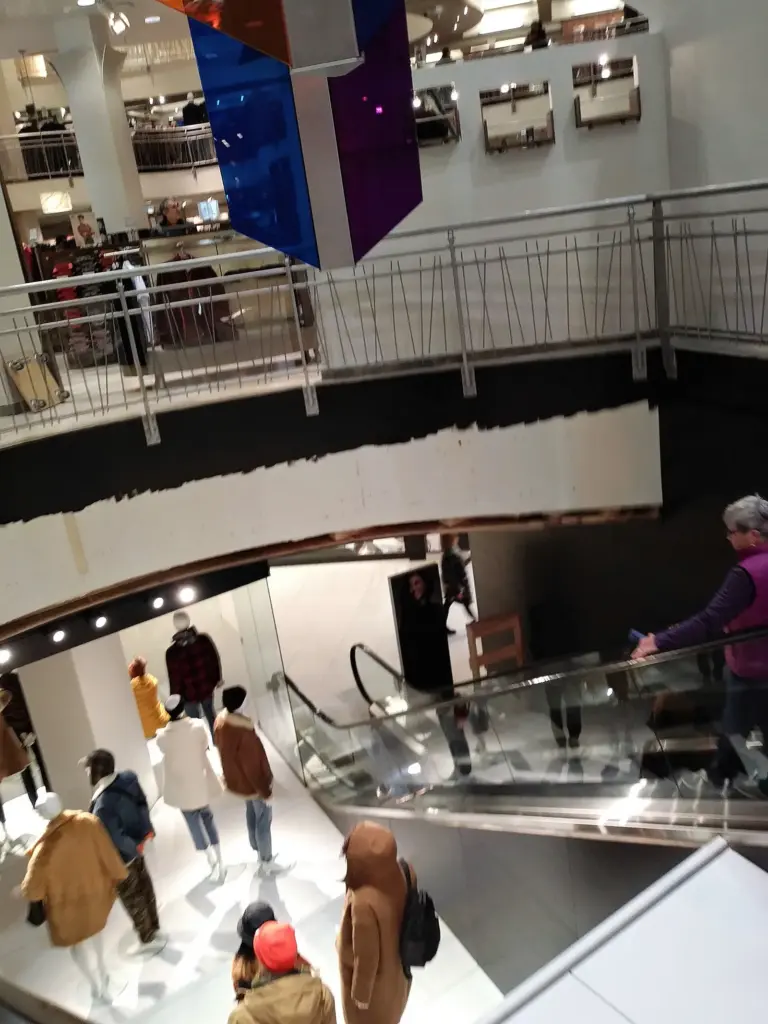
- In winter, go underground. Downtown’s malls are linked through tunnels and metro stations, though not as one continuous indoor city.
Sales Tax, Refunds and Customs
The price on the shelf is not the price you pay. It’s the single most common surprise for visitors from Europe, the UK and Australia, where tax is included.
| What | Rate or rule (Sep 2026) | What it means |
|---|---|---|
| GST (federal) | 5% | Added at the till on most goods and services |
| QST (Quebec) | 9.975% | Added on top of GST |
| Total sales tax | 14.975% | A $100 jacket costs $114.98 at the till |
| Tax refund for visitors | None | You can’t reclaim GST or QST on shopping |
| Basic groceries | Generally tax-free | Fresh market food usually has no tax added |
| Tipping in shops | Not expected | Tip only for services such as food and drink |
Taking shopping home
Check your own country’s customs allowances before you shop seriously. US residents returning after more than 48 hours abroad generally have an $800 USD personal duty-free exemption, with separate limits on alcohol. Food rules are strict in both directions: meat and fresh produce are the usual problems, while maple syrup, packaged sweets and most hard cheeses are generally fine, but check before buying. Cannabis bought legally in Quebec can’t be taken across any border.
For flights, remember that liquids over 100 ml can’t go in your carry-on bag, and that includes maple syrup, ice cider and that jar of maple butter. Wrap bottles well and pack them in checked luggage, or buy in the airport after security. Our Montreal airport guide covers customs on arrival and departure.

Shopping in Montreal by Neighbourhood
Each part of the city has its own shopping personality. Here’s where to go for what.
| Area | Main streets | Best for | Price level | Nearest metro |
|---|---|---|---|---|
| Downtown | Rue Sainte-Catherine Ouest | Department stores, chains, malls | Mid to high | Peel, McGill, Guy-Concordia |
| Old Montreal | Rue Saint-Paul, rue Notre-Dame | Crafts, galleries, souvenirs | Mid to high | Place-d’Armes, Champ-de-Mars |
| Plateau Mont-Royal | Avenue du Mont-Royal, boulevard Saint-Laurent, rue Saint-Denis | Vintage, local designers, bookshops | Low to mid | Mont-Royal, Sherbrooke |
| Mile End | Rue Bernard, rue Saint-Viateur, boulevard Saint-Laurent | Independent boutiques, books, records | Mid | Laurier, then walk |
| Outremont | Avenue Laurier Ouest, rue Bernard | Upscale boutiques, fine food | High | Laurier or Outremont |
| Southwest | Rue Notre-Dame Ouest | Antiques, homeware, design | Mid to high | Lionel-Groulx, Place-Saint-Henri |
| Little Italy | Around Jean-Talon Market | Food, kitchenware, Italian grocers | Low to mid | Jean-Talon, De Castelnau |
Rue Sainte-Catherine Ouest
Downtown’s main shopping street is one of the longest commercial strips in Canada, running about 11 km in all, though the part that matters for shopping is the stretch between about rue Guy and boulevard Saint-Laurent. It has flagship stores, international chains, department stores and malls, and connects underground to several shopping centres. In summer, sections are often closed to cars.
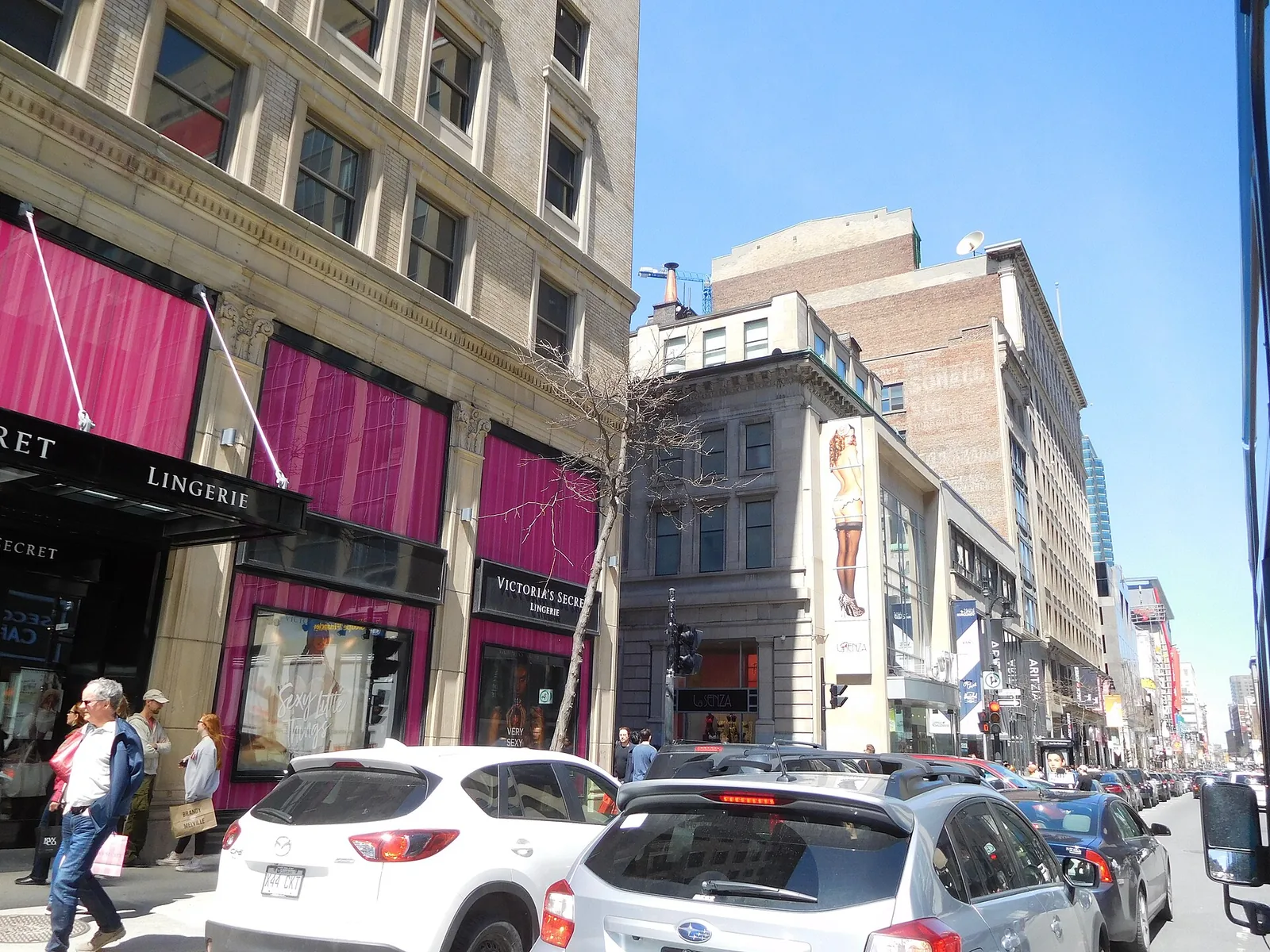
Walk it from west to east. Around rue de la Montagne and rue Peel you’ll find the flagship department stores and the big international brands, and between McGill College and Place des Arts, the Eaton Centre and the entrances to the underground malls. It gets busy on Saturday afternoons, so go on a weekday morning if you can.
Old Montreal
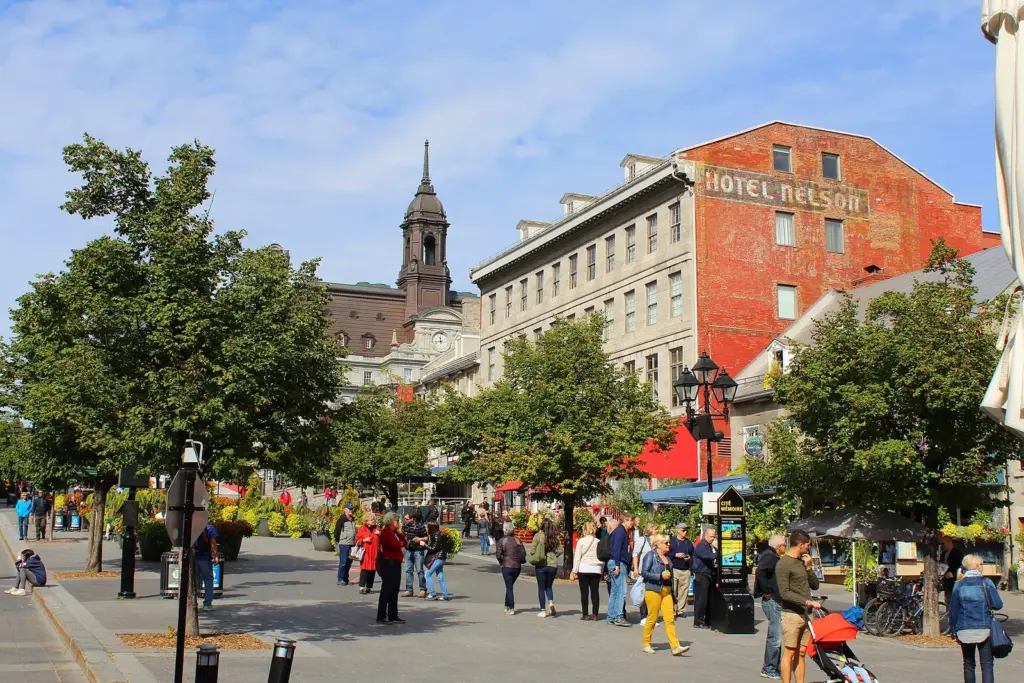
Old Montreal’s shops cater to visitors, and they vary widely. Rue Saint-Paul has too many souvenir shops selling the same maple candy, moose T-shirts and plastic Mounties, but it also has serious art galleries, Inuit art dealers, jewellers and a few genuinely good design and craft shops. The best single stop is Marché Bonsecours, the silver-domed market hall on rue Saint-Paul Est, which has been a landmark since 1847 and now houses 15 boutiques selling Quebec-made crafts, fashion, jewellery and design objects. It’s open from 10:00 to 18:00 Monday to Wednesday and Sunday, and until 19:00 Thursday to Saturday.
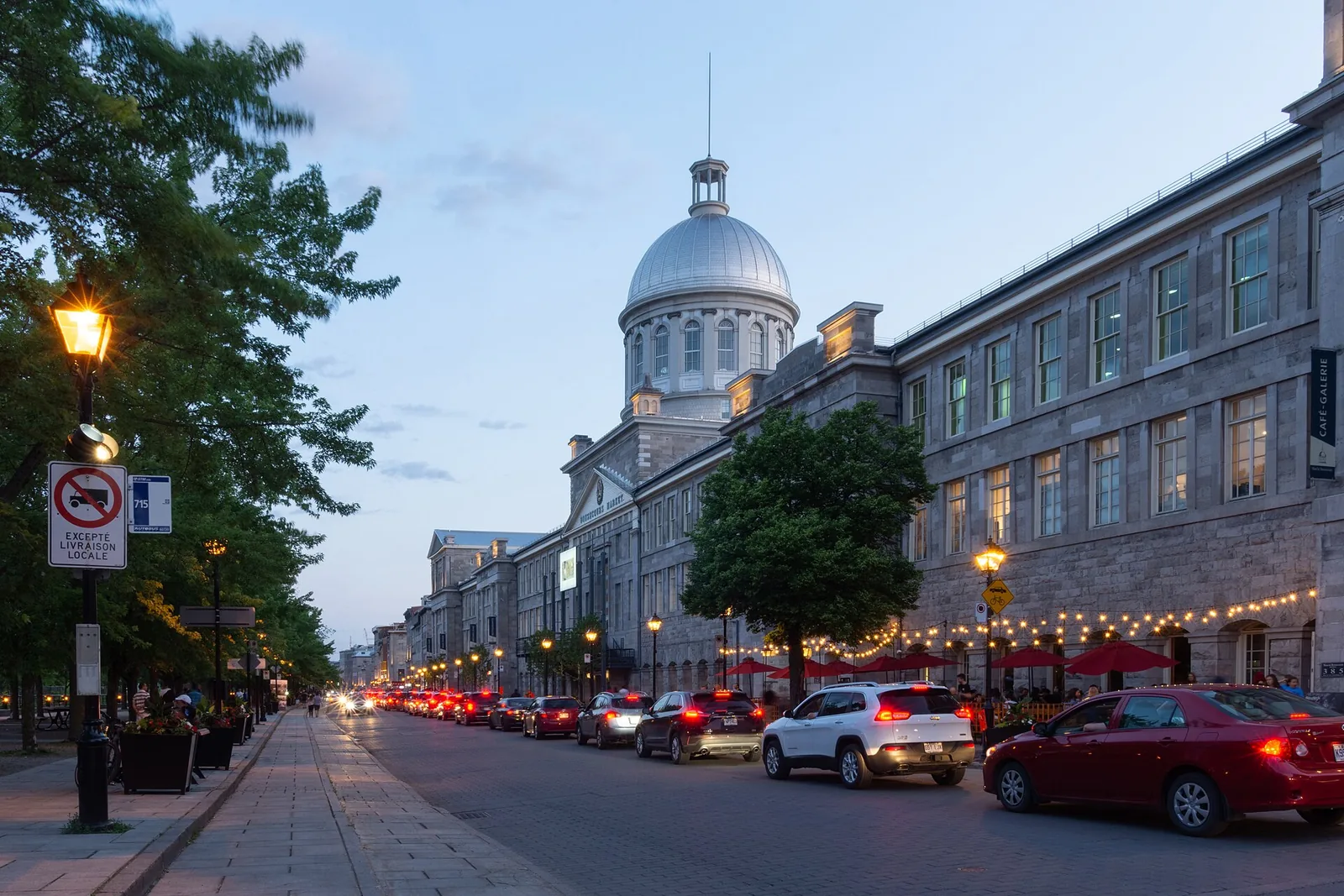
Skip the generic souvenir shops and buy maple products at the markets instead, where the choice is better and prices are lower. For more on the area’s sights, see our Old Montreal guide.
The Plateau: avenue du Mont-Royal, Saint-Laurent and Saint-Denis
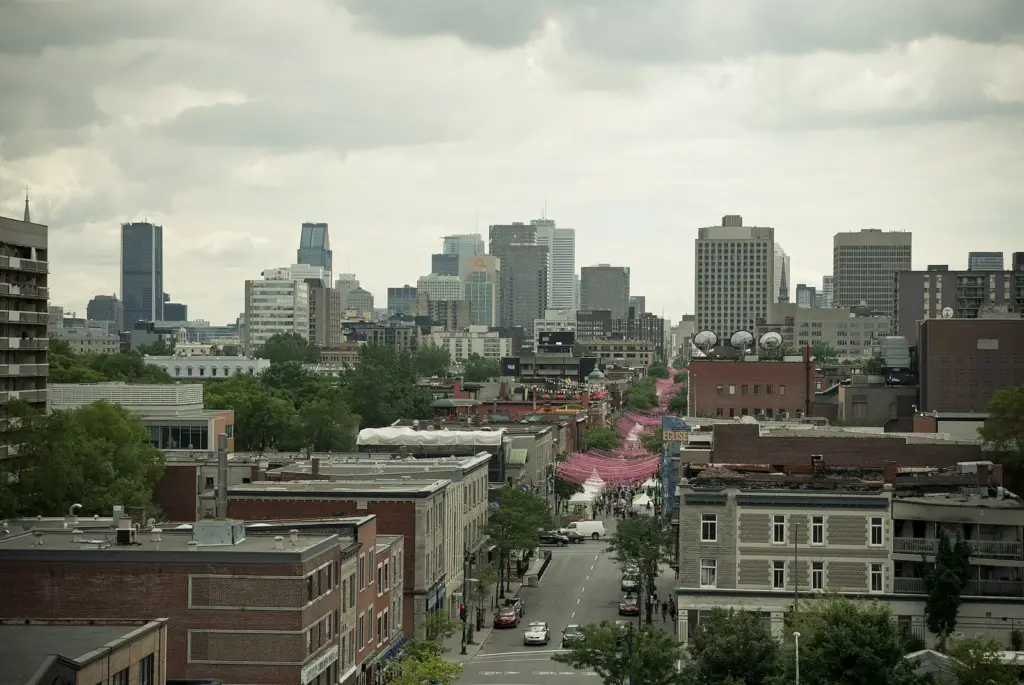
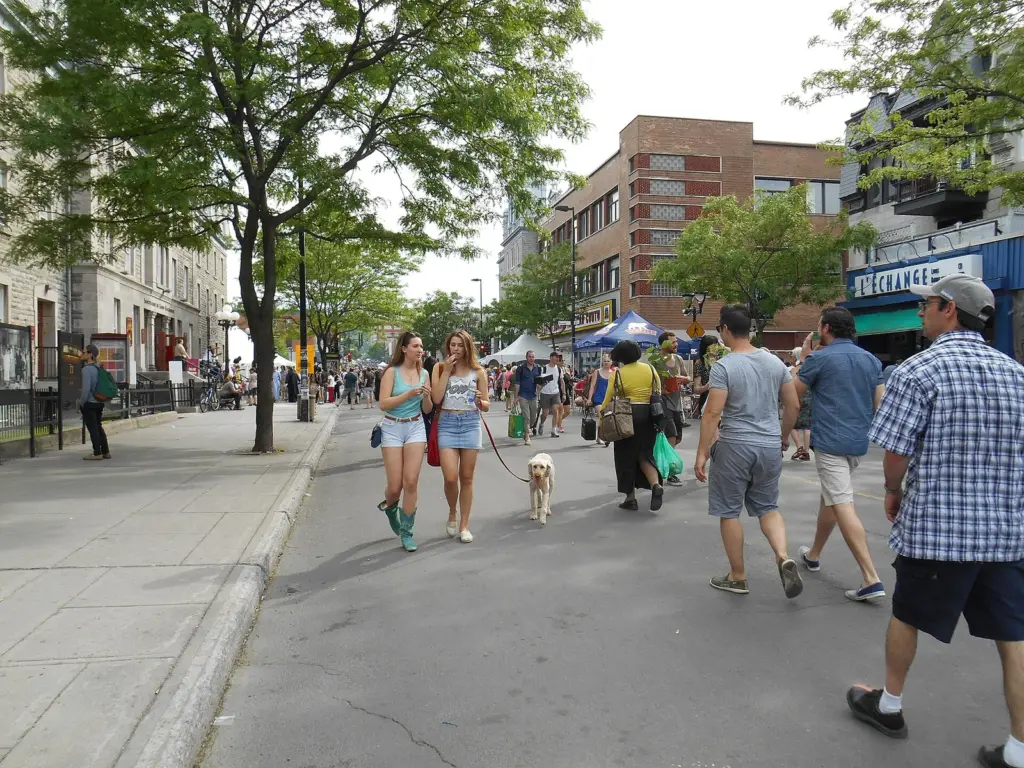
The Plateau is the best area for browsing. Avenue du Mont-Royal, east from Mont-Royal metro, is lined with vintage clothing shops (friperies), record shops, cafés and independent boutiques, and in summer it’s often a pedestrian street full of terrasses. Boulevard Saint-Laurent, the Main, has Montreal designers, homeware and furniture shops, and some of the city’s best-known vintage stores. Rue Saint-Denis has bookshops, clothing boutiques and gift shops, especially between Sherbrooke and Mont-Royal.
Mile End and Outremont
Mile End, north-west of the Plateau, is the neighbourhood for independent shopping: small fashion labels, ceramic studios, jewellery makers, excellent bookshops and record stores along rue Bernard, rue Saint-Viateur and Saint-Laurent. Next door, avenue Laurier Ouest and rue Bernard in Outremont are more polished, with upscale boutiques, kitchenware shops, chocolatiers and fine food stores. Our guide to Montreal’s neighbourhoods explains how Mile End, the Plateau and Outremont differ.
Rue Notre-Dame Ouest
Through Little Burgundy and Saint-Henri, rue Notre-Dame Ouest mixes antique dealers, vintage furniture, design and homeware shops with some of the city’s best restaurants. It’s a good street for a slow afternoon’s browsing, finishing with a visit to Atwater Market a short walk away.
The Chabanel fashion district
North of Little Italy, the area around rue Chabanel is Montreal’s garment district, a collection of big industrial buildings filled with clothing manufacturers and wholesalers. Some sell to the public, especially during sample and warehouse sales, and bargain hunters can find good deals. It’s not a pretty area, and many businesses are wholesale-only, so go with a plan.
Department Stores
Simons
Simons is Quebec’s own department store, a family business founded in Quebec City in 1840, and its downtown Montreal flagship on rue Sainte-Catherine is one of the best places in the city to shop for clothes. It mixes international brands with its own well-priced labels, from basics to trend pieces and homeware. It’s popular with locals of every age, and a good place to find winter clothing if you’ve underpacked.
Holt Renfrew Ogilvy
The grand old Ogilvy building on Sainte-Catherine, a Montreal department store for more than a century, is now Holt Renfrew Ogilvy, the city’s luxury department store. It’s the place for high-end designer fashion, beauty and accessories, with personal shopping services. Even if you aren’t buying, the building is worth a walk through.
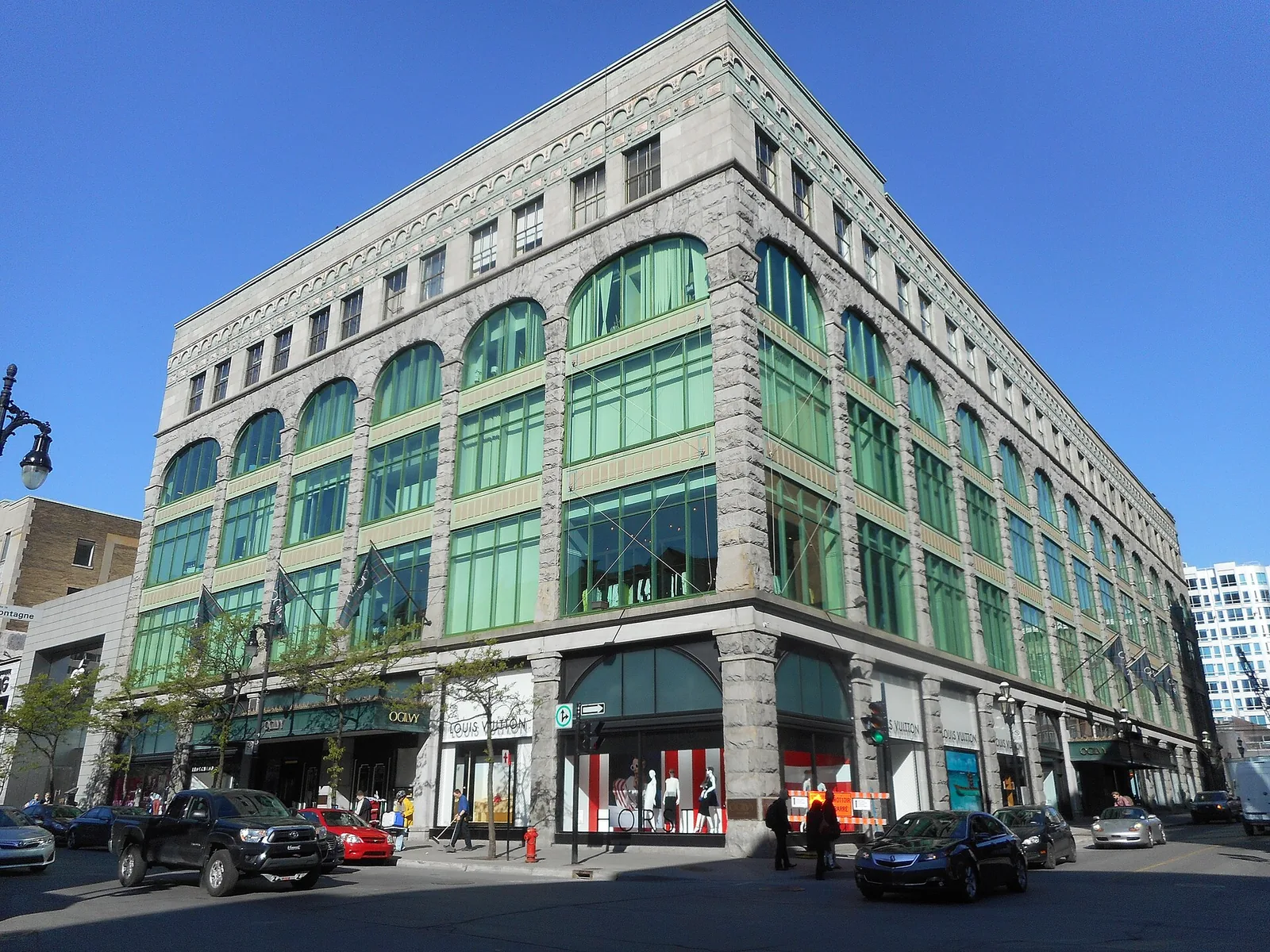
The Hudson’s Bay closure
For generations, the Hudson’s Bay store (La Baie) on Sainte-Catherine at Union was a fixture of downtown shopping. Hudson’s Bay closed all its stores in 2025, and older guides that still send you there are out of date. Simons and Holt Renfrew Ogilvy are the department stores to visit now.
Malls and Shopping Centres
Downtown malls
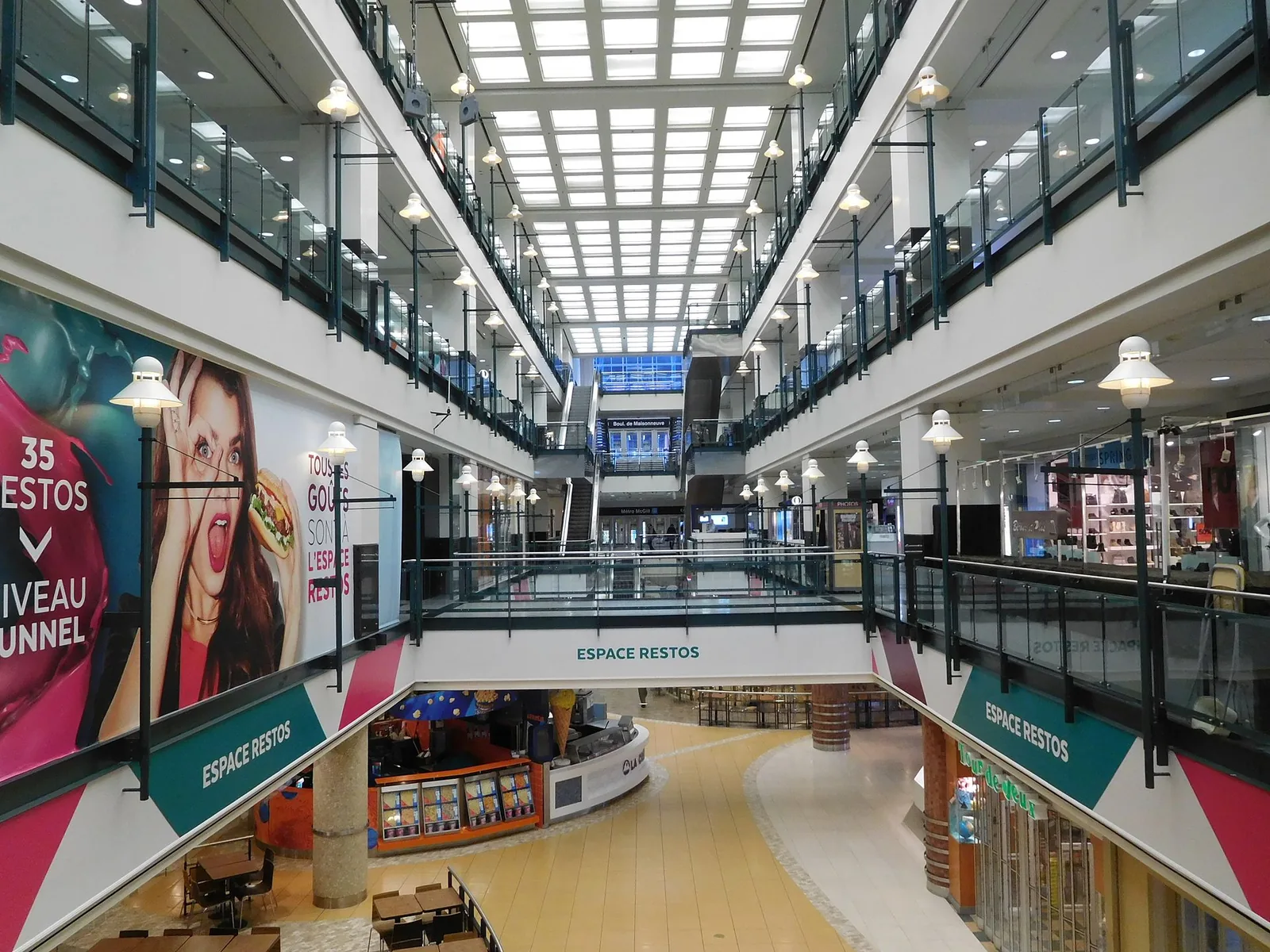
- Montreal Eaton Centre (Centre Eaton): the largest downtown mall, on Sainte-Catherine near avenue McGill College, with mainstream fashion, electronics and a big food hall. It connects underground to McGill metro.
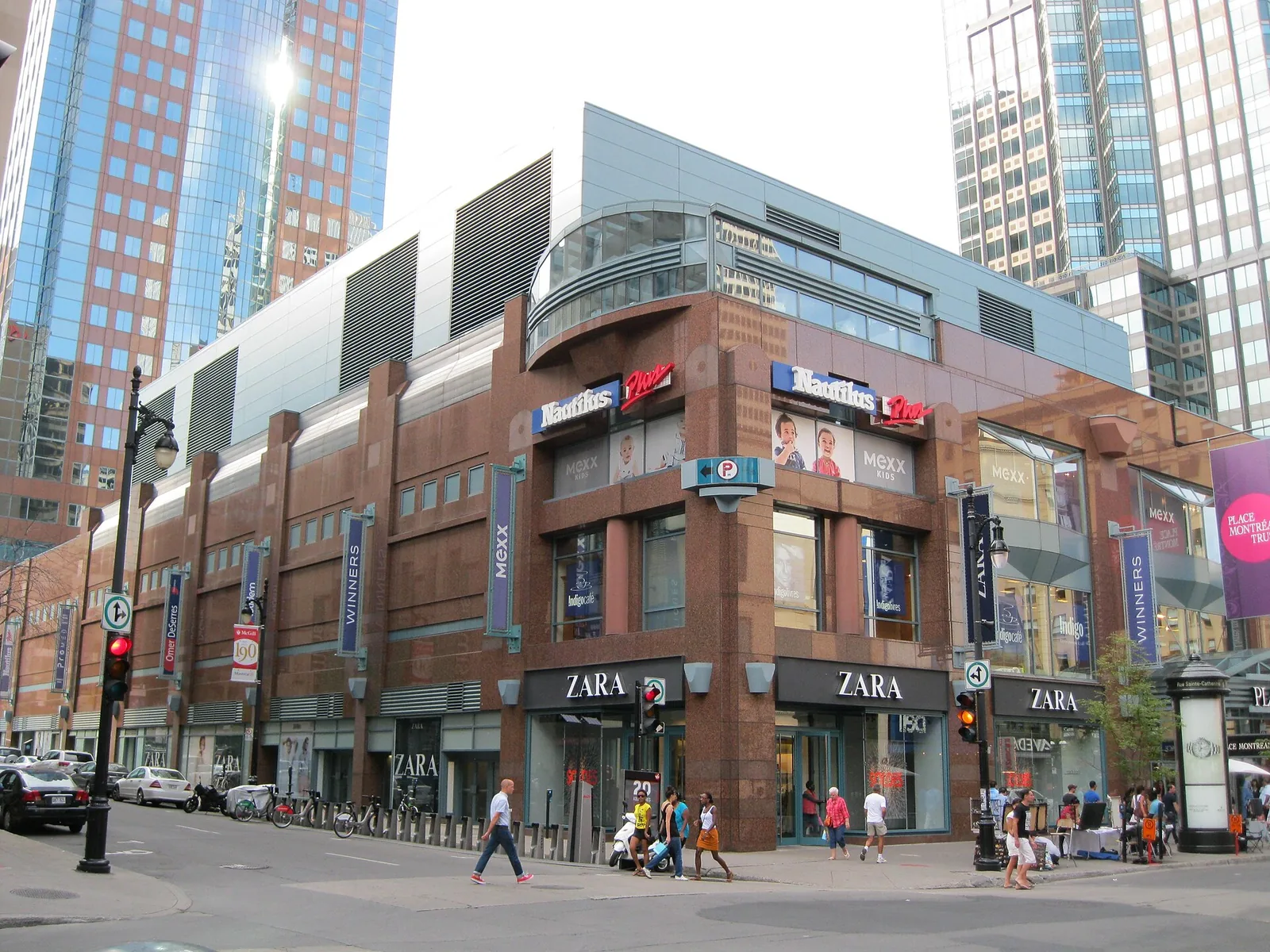
- Place Montréal Trust: a mall at the corner of Sainte-Catherine and McGill College with international fashion chains.
- Complexe Desjardins: a shopping centre with a large atrium and fountain, between Place-des-Arts and the Palais des congrès, connected underground to the metro. It’s handy in winter and during festivals in the Quartier des Spectacles.
- Place Ville Marie: the cross-shaped tower’s underground shopping level has shops and a popular food hall, and connects towards Gare Centrale and Bonaventure metro.
- Les Cours Mont-Royal: a former hotel on rue Peel converted into a smaller, more upscale shopping centre.
Royalmount
The newest big shopping destination in the Montreal area is Royalmount, at 5050 chemin de la Côte-de-Liesse in the Town of Mount Royal, just off the Décarie Expressway. It’s an upscale, open-plan complex with fashion and luxury brands, a food hall called Le Fou Fou, an urban park and, in winter, a skating rink. Boutiques open from 10:00 to 19:00 on Monday, Tuesday and Sunday, and from 10:00 to 21:00 Wednesday to Saturday. It’s easiest to reach by car or taxi; check the mall’s website for the best transit route before you go.
Suburban malls and outlets
Carrefour Laval, north of the island, and Quartier DIX30 in Brossard, on the South Shore near the REM’s Du Quartier station, are large suburban shopping centres with the usual big-name chains. North of the city in Mirabel, Premium Outlets Montréal sells discounted designer and brand-name goods and is best reached by car. Unless you’re hunting for particular brands, the city’s streets are more interesting.
The Underground City: Shopping Below the Streets
Montreal’s RÉSO, often called the underground city, is a network of about 33 km of pedestrian tunnels connecting metro stations, shopping centres, office towers, hotels and universities, with more than 1,700 shops and more than 200 restaurants. In January, when it’s −15 °C outside, it’s the most comfortable way to shop.
But it isn’t a single underground city you can wander from end to end. It’s a series of connected segments, some linked only through a building’s lobby or a metro station, with no unified opening hours; each building sets its own, and the network broadly follows the metro’s hours. Signs can be confusing, so don’t expect to shop the whole thing in a day. Treat it as a series of malls linked by passages, and use a map.
| Underground hub | Connects | Good for |
|---|---|---|
| McGill station | Eaton Centre, Place Montréal Trust and nearby towers | Mainstream fashion, food hall |
| Peel station | Les Cours Mont-Royal and Sainte-Catherine stores | Upscale shopping |
| Bonaventure station | Place Ville Marie, Gare Centrale, Place Bonaventure | Food halls, arriving by train |
| Place-des-Arts station | Complexe Desjardins, Place des Arts, Palais des congrès | Festival days, winter |
For more on staying warm in the coldest months, see our guide to Montreal in winter.
Montreal’s Public Markets
For many visitors, the markets are the best shopping in Montreal. They’re where locals buy their food, and they sell the best edible souvenirs in the city.
Jean-Talon Market
In Little Italy, Jean-Talon Market is one of the largest open-air markets in North America. It’s open year-round, from 08:00 to 18:00 Monday to Saturday and 08:00 to 17:00 on Sunday. From roughly May to November, around 150 vendors fill the outdoor stalls with Quebec produce, from strawberries and corn in summer to apples, squash and pumpkins in autumn. The permanent shops around the edge sell cheese, bread, meat, fish, spices and maple products, and the market moves indoors for winter from October.

Look for the shop selling only Quebec products, where you can find maple syrup, ice cider, local spirits, preserves and snacks in one place. Go on a weekday morning to avoid the Saturday crowds, and bring a tote bag.
- Metro:
- Jean-Talon (Orange and Blue) or De Castelnau (Blue)
- Hours:
- Mon–Sat 08:00–18:00, Sun 08:00–17:00
Atwater Market
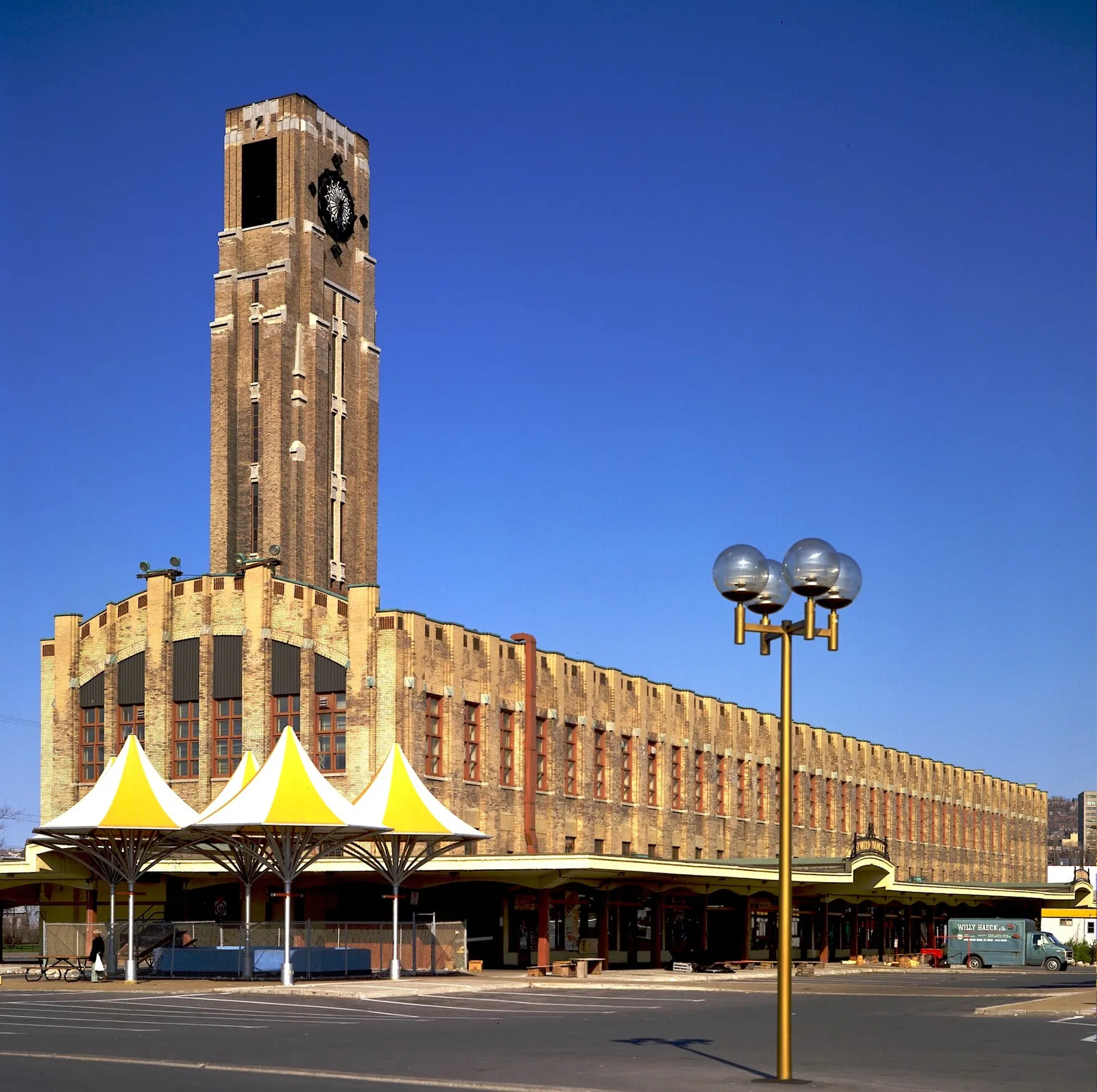
Beside the Lachine Canal, Atwater Market opened in 1933 in a handsome art deco building with a clock tower. Upstairs are specialty food shops; downstairs and outside, butchers, bakers, cheese shops and, in season, produce stalls. It’s smaller and calmer than Jean-Talon, and perfect for picnic supplies before a walk or bike ride along the canal. It’s open 09:00 to 18:00 Monday to Friday and 09:00 to 17:00 at weekends.
- Metro:
- Lionel-Groulx (Green and Orange)
- Hours:
- Mon–Fri 09:00–18:00, Sat–Sun 09:00–17:00
Marché Maisonneuve
In Hochelaga-Maisonneuve, the Beaux-Arts Marché Maisonneuve is a neighbourhood market with food shops inside and stalls outside in season. It’s a pleasant stop after the Botanical Garden or the Biodôme.
Shopping for a picnic
Montreal’s markets are made for picnics. Buy bread, cheese, charcuterie and fruit at Atwater Market and eat by the Lachine Canal, or stock up at Jean-Talon and take the metro to Mount Royal for lunch with a view. Montreal’s parks allow alcohol with a meal, so a bottle of Quebec cider with your picnic is fine. Our guide to Mount Royal and Montreal’s parks has the best spots.
The Christmas market
The Grand Marché de Noël de Montréal runs from 13 November 2026 to 3 January 2027 at Place des Festivals in the Quartier des Spectacles, with around 60 artisans selling from wooden chalets. Entry is free. It opens Wednesday to Sunday until 15 December, then daily. It’s the best place in the city for handmade Christmas gifts.
What to Buy in Montreal
Maple products
Quebec produces most of the world’s maple syrup, and it’s the classic souvenir. Syrup is graded by colour and flavour, from golden with a delicate taste to very dark with a strong one; the amber grades are the best all-rounders. Beyond syrup, look for maple butter (a creamy spread made only of syrup), maple sugar, maple taffy and maple candies. The markets have a wider choice and better prices than the souvenir shops on rue Saint-Paul, and the airport shops charge more still.
A quick maple syrup buying guide
Not all syrup is equal, and some of what’s sold to tourists isn’t maple syrup at all. A few rules make buying easy.
| Grade | Taste | Best for |
|---|---|---|
| Golden, delicate taste | Light and subtle, made early in the season | Pouring over ice cream or yogurt |
| Amber, rich taste | The classic maple flavour | Pancakes, waffles, gifts |
| Dark, robust taste | Stronger, more caramelised | Baking, glazes, marinades |
| Very dark, strong taste | Intense, made late in the season | Cooking rather than pouring |
- Read the label: “pure maple syrup” (sirop d’érable pur) is the real thing. “Table syrup” or “maple-flavoured syrup” is corn syrup with flavouring.
- Choose the container: the classic metal cans are the most robust for travel; glass bottles in pretty maple-leaf shapes look good but break and cost more for less syrup.
- Buy at a market, not the airport: the markets have the widest choice of grades and small producers.
- Store it right: once opened, keep syrup in the fridge.
If you’re visiting from March to early April, a sugar shack (cabane à sucre) outside the city sells syrup straight from the producer. Our day trips from Montreal guide has more on maple season.
Souvenirs to skip
- Generic “Canada” souvenirs made elsewhere: the moose T-shirts and plastic Mounties on rue Saint-Paul.
- Mass-produced “native-style” crafts with no artist’s name or Igloo Tag.
- Tiny maple-leaf bottles at airport prices; buy a can at the market instead.
- Anything cannabis-related you plan to take across a border.
Ice cider and ice wine
Ice cider (cidre de glace), made from apples or juice frozen by Quebec’s winter, is one of the province’s most distinctive products: sweet, rich and strong, perfect with cheese or dessert. Quebec also makes ice wine and a growing range of craft spirits, including gins flavoured with local plants. Buy them at the SAQ, Quebec’s government-run liquor stores, or at the markets. Beer and wine are also sold in dépanneurs (corner shops), until 23:00.
Quebec cheese
Quebec makes hundreds of cheeses, many from small dairies, and a few are world-class. Cheese shops at Jean-Talon and Atwater markets will let you taste before you buy and vacuum-pack cheese for travel. Check your home country’s rules on bringing back soft or unpasteurised cheese before you buy.
Bagels and smoked meat
Montreal’s famous bagels travel well for a day or two, and freeze well after that. St-Viateur Bagel, at 263 rue Saint-Viateur Ouest in Mile End, is open 06:00 to midnight. Schwartz’s, at 3895 boulevard Saint-Laurent, sells its smoked meat to take away. Our Montreal food guide covers where to eat both.
Montreal designers and brands
Montreal is Canada’s fashion manufacturing capital, and a surprising number of well-known brands started here. Look for:
- Outerwear: Montreal is known for serious winter coats. Kanuk makes its parkas in Montreal, and Mackage, Moose Knuckles and Rudsak are Montreal-based labels selling high-end coats and leather jackets.
- Shoes and accessories: Aldo, the global shoe chain, was founded in Montreal.
- Casual and athletic wear: Frank And Oak and the athleisure brand Lolë both started in Montreal.
- Department store labels: Simons’s own collections are designed in Quebec.
- Independent designers: the boutiques of Mile End, the Plateau and Marché Bonsecours sell clothing, jewellery and ceramics by small Quebec makers.
Indigenous and Inuit art
Galleries in Old Montreal and downtown sell Inuit sculpture and prints and First Nations art. Buy from reputable galleries, and for Inuit art look for the Igloo Tag, a label that certifies a work was made by an Inuit artist. Mass-produced “native-style” souvenirs sold in tourist shops are a different thing entirely.
Hockey gear
A Montreal Canadiens jersey is the souvenir of choice for sports fans. The team’s official store is at the Bell Centre, and jerseys and caps are sold in sports shops across the city.
Vintage and Second-Hand Shopping
Montreal is one of the best cities in Canada for vintage shopping, thanks to a large student population, a love of individual style and relatively cheap rents in the Plateau and Mile End. Avenue du Mont-Royal has the densest cluster of friperies (second-hand clothing shops), from carefully curated vintage to cheap bins you have to dig through. Boulevard Saint-Laurent has larger vintage stores, including Eva B, a long-running, eclectic shop with rooms full of second-hand clothes. For bargains, the big Village des Valeurs thrift stores are scattered across the city.
Books, Records and Design
Bookshops
Montreal has excellent bookshops in both languages. In Mile End, Drawn & Quarterly, the bookshop of the Montreal graphic novel publisher, is a favourite, with a great selection of comics, fiction and non-fiction. Librairie Gallimard on boulevard Saint-Laurent is the place for French-language literature. Downtown, independent and chain bookstores cluster around McGill College and Sainte-Catherine.
Records
Avenue du Mont-Royal and Mile End have several record shops, with new releases, used vinyl and a strong selection of Quebec and Montreal music. Ask staff for recommendations: they’re usually happy to point you towards local bands.
Design and homeware
For furniture, lighting and homeware, head to boulevard Saint-Laurent in the Plateau and rue Notre-Dame Ouest in the Southwest. For a gift that’s easy to carry, look for ceramics, textiles and prints by Quebec designers in the boutiques of Mile End and Marché Bonsecours.
Games and independent shops
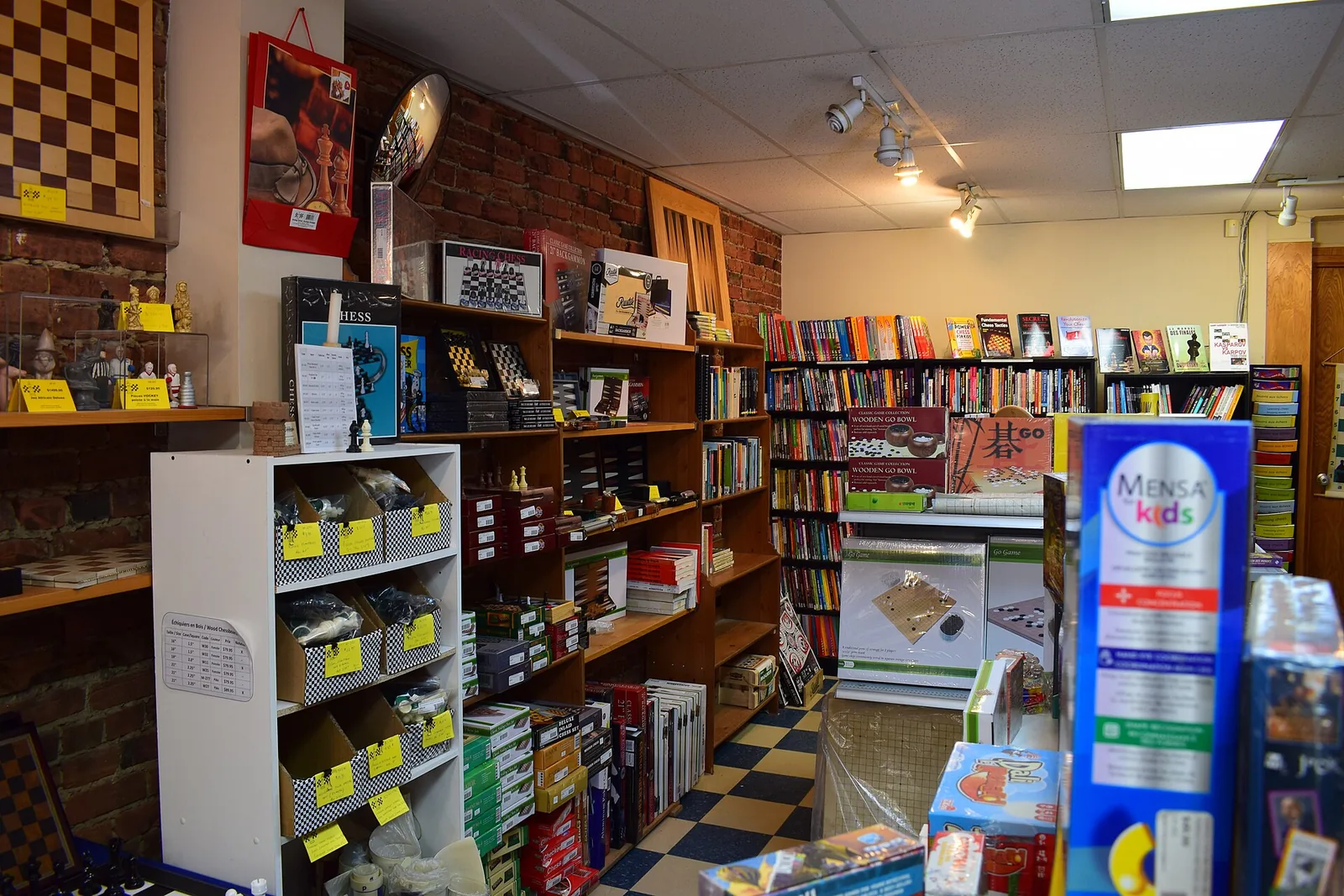
Independent specialist shops are one of the pleasures of shopping in Montreal’s neighbourhoods: board game shops, stationers, kitchen supply stores and tea merchants that have been run by the same families for decades. They’re scattered through the Plateau, Mile End and Little Italy, and the best way to find them is simply to walk.
Buying Winter Clothes in Montreal
Plenty of visitors arrive in December or January with a coat that works in London, Paris or New Jersey and discover within an hour that it doesn’t work here. The good news is that Montreal is one of the best places in the world to buy winter clothing, and buying on arrival is often cheaper than overpaying for a poor coat at home.
What you need
- Boots: insulated, waterproof and with a deep, grippy sole. Pavements are icy and slushy for months, and wet feet at −10 °C ruin a day. This is the single most important purchase.
- A long, insulated coat with a hood: ideally covering your thighs, since windchill finds any gap.
- Mitts, not gloves: mittens keep fingers far warmer.
- A tuque and a neck warmer: a tuque is the Quebec word for a knitted winter hat.
- Thermal base layers: merino or synthetic, so you can peel off layers when you step into warm shops and the metro.
Where to buy
Simons on Sainte-Catherine has coats, boots and accessories at a range of prices, including its own well-priced labels. For technical outdoor gear, La Cordée, the Montreal outdoor specialist on rue Sainte-Catherine Est, and MEC are reliable, and the big sporting goods chains sell boots and base layers in malls across the city. For a coat that will last years, the Montreal outerwear brands, including Kanuk, which makes its parkas locally, have their own shops. Prices drop in the January sales, just when you need a coat most.
Shopping on a Budget
Montreal is cheaper than Toronto or New York for most shopping, and there are good ways to stretch a budget further.
- Vintage and thrift: the friperies on avenue du Mont-Royal and the big Village des Valeurs thrift stores have clothes at a fraction of new prices.
- Dollarama: Canada’s big discount chain was founded in Montreal and has branches everywhere, useful for travel odds and ends, snacks and cheap souvenirs.
- Pharmacies: Quebec’s Jean Coutu and Pharmaprix chains sell toiletries, sunscreen, snacks and basics, and many branches are open late.
- Markets over souvenir shops: maple products, chocolate and snacks cost less at Jean-Talon and Atwater than on rue Saint-Paul.
- Warehouse and sample sales: in the Chabanel district, clothing makers occasionally open to the public, especially at the end of a season.
- Timing: after-Christmas sales and end-of-season sales in January and late July bring the best prices on clothing.
International Grocers and Chinatown
Montreal’s immigrant communities have filled the city with excellent specialist grocers, and they’re some of the most interesting shops to browse, even if you only buy a snack.
- Chinatown: centred on rue De La Gauchetière between Old Montreal and downtown, with Chinese, Vietnamese and other Asian grocers, bakeries and tea shops. Walk through the ornamental gates from Place-d’Armes metro.
- Little Italy: the Italian grocers, butchers and espresso-machine shops around Jean-Talon Market sell imported pasta, olive oil and cured meats alongside Quebec produce.
- Lebanese and Middle Eastern: Adonis, a Montreal-founded Middle Eastern supermarket chain, sells spices, pastries, cheeses and prepared food.
- Côte-des-Neiges: the area around Côte-des-Neiges metro, near Saint Joseph’s Oratory, has grocers and small shops from all over the world, including Filipino, South Asian and Caribbean stores.
- Portuguese: the old Portuguese neighbourhood around boulevard Saint-Laurent and rue Rachel in the Plateau still has bakeries and grocers selling custard tarts and salt cod.
Buying Art in Montreal
Montreal has a strong art scene and a wide range of galleries, from serious dealers to artist-run spaces. The Belgo Building on rue Sainte-Catherine Ouest has several floors of commercial galleries and artists’ studios, and you can wander from door to door. Old Montreal’s galleries along rue Saint-Paul and rue Notre-Dame focus on Quebec and Canadian painting, and some specialise in Inuit sculpture and prints; look for the Igloo Tag on Inuit work. For prints and affordable pieces by young artists, look in the boutiques of Mile End and the Plateau, and at the Christmas market in November and December. The shops at the Montreal Museum of Fine Arts and the McCord Stewart Museum also sell high-quality prints, books and design objects. Our guide to Montreal museums has more on the galleries.
Shopping With Kids
Children tend to have limited patience for fashion, but Montreal’s shopping has a few things that work for them. The markets, with fruit to taste and maple taffy to try, are the easiest win. The museum shops at the Biodôme, the Insectarium and the Montreal Science Centre sell good science toys and books. Independent toy and game shops in the Plateau and Mile End are more fun than mall chains. And a small Canadiens jersey or a tuque with a pompom makes a souvenir children will actually use. For more ideas, see our guide to Montreal with kids.
Opening Hours, Holidays and Sales
Most shops in Montreal are open seven days a week, with longer hours on Thursday and Friday evenings at many stores and malls, and shorter hours on Sunday. Hours vary by shop, so check before you travel across town for one store.
- Markets: Jean-Talon is open 08:00 to 18:00 Monday to Saturday and 08:00 to 17:00 on Sunday; Atwater is open 09:00 to 18:00 on weekdays and 09:00 to 17:00 at weekends.
- Statutory holidays: most shops close or open for shorter hours on public holidays, including New Year’s Day, the Fête nationale on 24 June, Canada Day on 1 July, Labour Day and Christmas Day.
- Boxing Day and after-Christmas sales: the week after Christmas brings big discounts, especially on winter clothing.
- Black Friday: Canadian stores run big sales in late November, as in the US.
- End-of-season sales: winter coats go on sale from January, summer clothing from late July.
Shopping in Montreal Through the Year
| Season | Best shopping | Tip |
|---|---|---|
| Winter (December–March) | Christmas market, after-Christmas sales, winter clothing | Use the underground malls on the coldest days |
| Spring (April–May) | Maple products at their freshest, new-season fashion | Buy syrup from the new harvest in April |
| Summer (June–August) | Pedestrian shopping streets, market produce, sidewalk sales | Shop in the morning before the heat |
| Autumn (September–November) | Harvest at the markets, ice cider, Black Friday | Jean-Talon is at its best in September |
For how the seasons affect prices, crowds and weather, see the best time to visit Montreal.
Four Montreal Shopping Days
Downtown in a day
Start at Simons on Sainte-Catherine when it opens, then walk east to Holt Renfrew Ogilvy and the Eaton Centre. Have lunch in a food hall, then drop underground at McGill and follow the passages towards Place Ville Marie. Finish with a visit to the Montreal Museum of Fine Arts shop on Sherbrooke, which sells excellent design objects and books. If you’re only here for a weekend, our Montreal itinerary shows how to fit this around the sights.
The Plateau and Mile End
Take the metro to Mont-Royal and browse the vintage shops and record stores along avenue du Mont-Royal. Walk west to boulevard Saint-Laurent for designers and homeware, then north into Mile End for independent boutiques and Drawn & Quarterly. Finish with a bagel from St-Viateur.
Markets and food
Spend the morning at Jean-Talon Market, buying maple products, cheese and ice cider, and have lunch in Little Italy. In the afternoon, take the metro to Lionel-Groulx for Atwater Market, then browse the antique and design shops along rue Notre-Dame Ouest.
A winter shopping day
On a bitterly cold day, stay indoors. Start at Complexe Desjardins, walk underground to Place des Arts, then take the metro to McGill for the Eaton Centre and the downtown malls. For lunch, try a food hall. In the evening, from mid-November to early January, brave the cold for the Christmas market at Place des Festivals.
Practical Tips for Shopping in Montreal
- Language: shop staff greet you in French or with “Bonjour, hi” and switch to English easily. You don’t need to speak French.
- Sizes: Canada uses US clothing and shoe sizes, and many stores also show European sizes.
- Returns: return policies vary by store and aren’t required by law, so keep receipts and ask before you buy, especially on sale items.
- Cards: contactless payment is standard; check your card’s foreign transaction fees before you go.
- Bags: bring a reusable tote. Single-use plastic bags have been phased out in Montreal.
- Getting around: most shopping areas are close to a metro station. A 24-hour pass costs $11.25; see getting around Montreal.
- Where to stay: downtown puts you closest to the malls and department stores, and the Plateau closest to vintage and independent shops. See where to stay in Montreal.
For everything else the city has to offer, see our list of things to do in Montreal, and for rainy-day ideas between shops, our guide to Montreal museums.
Frequently Asked Questions
Where is the best shopping in Montreal?
For department stores and big brands, rue Sainte-Catherine Ouest downtown, with Simons, Holt Renfrew Ogilvy and the Eaton Centre. For vintage and independent boutiques, avenue du Mont-Royal and boulevard Saint-Laurent in the Plateau, and Mile End. For Quebec-made crafts, Marché Bonsecours in Old Montreal. For food souvenirs, Jean-Talon and Atwater markets.
Can tourists get a tax refund when shopping in Montreal?
No. Canada ended its visitor tax rebate programme years ago, so visitors can’t reclaim GST or QST on purchases. Sales tax of 14.975% (5% GST plus 9.975% QST) is added at the till on most goods and isn’t included in shelf prices. Basic groceries are generally tax-free.
Is the Hudson’s Bay store in Montreal still open?
No. Hudson’s Bay closed all its stores in 2025, including its landmark store on rue Sainte-Catherine in downtown Montreal. For department store shopping, visit Simons, Quebec’s own department store, or Holt Renfrew Ogilvy, the city’s luxury department store in the historic Ogilvy building, both on Sainte-Catherine.
What should I buy in Montreal as a souvenir?
Maple syrup and maple butter are the classics; buy them at Jean-Talon or Atwater Market for the best choice and prices. Other good souvenirs include Quebec ice cider, local cheese, Montreal bagels, a Canadiens jersey, a winter coat by a Montreal brand, and Quebec-made crafts from Marché Bonsecours. Pack liquids over 100 ml in checked luggage.
Is the Underground City good for shopping?
It’s useful, especially in winter. The RÉSO links about 33 km of tunnels, metro stations and buildings, with more than 1,700 shops. But it isn’t one continuous mall: it’s a series of connected segments with no unified opening hours. Treat it as a network of malls linked by passages, and use a map.
Are shops open on Sundays in Montreal?
Yes. Most shops, malls and markets in Montreal open on Sundays, usually with shorter hours. Jean-Talon Market is open from 08:00 to 17:00 on Sunday, and Atwater Market from 09:00 to 17:00. Many shops close or shorten their hours on statutory holidays such as New Year’s Day, 24 June, 1 July and Christmas Day.
Is Royalmount worth visiting?
If you like upscale shopping, yes. Royalmount, at 5050 chemin de la Côte-de-Liesse in the Town of Mount Royal, is the Montreal area’s newest big shopping destination, with luxury and fashion brands, a food hall and an urban park. Boutiques open 10:00 to 21:00 Wednesday to Saturday and 10:00 to 19:00 other days. It’s easiest by car or taxi.