The best day trips from Montreal fall into three kinds, and choosing the right kind matters more than choosing the destination. There are the cities — Quebec City and Ottawa — both reachable by train, though only one of them really works as a day trip. There’s the countryside — the Laurentian mountains and Mont-Tremblant to the north, the lakes, vineyards and villages of the Eastern Townships to the south-east — which is at its best with a car and gorgeous in autumn colour. And there are the close escapes, national parks and orchards within an hour or so of downtown, for a half-day of hiking, swimming or apple picking. Below, each one is compared honestly, with verified travel times where the operators publish them, what to see, the best season, and whether it deserves a day or a night.
A reality check first. Quebec is big, and some of the trips people plan as day trips from Montreal are better as overnights. Quebec City, in particular, is over three hours each way by train. If you have a week, our Montreal itinerary guide shows how to fit a day or two beyond the city into a longer trip without shortchanging Montreal itself.
Day Trips from Montreal at a Glance
Travel times are the operators’ own published figures where available, checked in September 2026. Driving times vary with traffic, especially on Friday afternoons and Sunday evenings.
| Destination | Best for | How to get there | Travel time | Best season | Verdict |
|---|---|---|---|---|---|
| Quebec City | History, old town, food | VIA Rail from Gare Centrale, or car | 3 h 26 min average by train | All year | Better as an overnight |
| Ottawa | Museums, Parliament, the Rideau Canal | VIA Rail from Gare Centrale | 2 h 4 min average by train | All year | Works as a day trip |
| Mont-Tremblant | Mountain resort, skiing, lakes | Car, or summer shuttle | About 90 minutes by car | Winter, autumn, summer | Good day trip, better overnight |
| Laurentian villages | Scenery, cycling, small towns | Car | Varies | Autumn, summer, winter | Good day trip |
| Eastern Townships | Lakes, vineyards, villages | Car via Autoroute 10 | Varies | Summer, autumn | Good day trip |
| Parc national d’Oka | Beach, hiking | Car | Varies | Summer | Easy half-day |
| Îles-de-Boucherville | Cycling, kayaking, islands | Car or bike | Varies | Summer, autumn | Easy half-day |
| Mont-Saint-Bruno and Montérégie orchards | Hiking, apple picking | Car | Varies | Autumn | Easy half-day |
| A sugar shack | Maple feast | Car or tour | Varies | March to early April | A unique half-day |
Quebec City
Quebec City is the day trip everyone asks about, and the one we’d most like to talk you out of doing as a day trip. Not because it isn’t worth it — it’s one of the most beautiful cities in North America — but because it deserves more than a rushed afternoon.
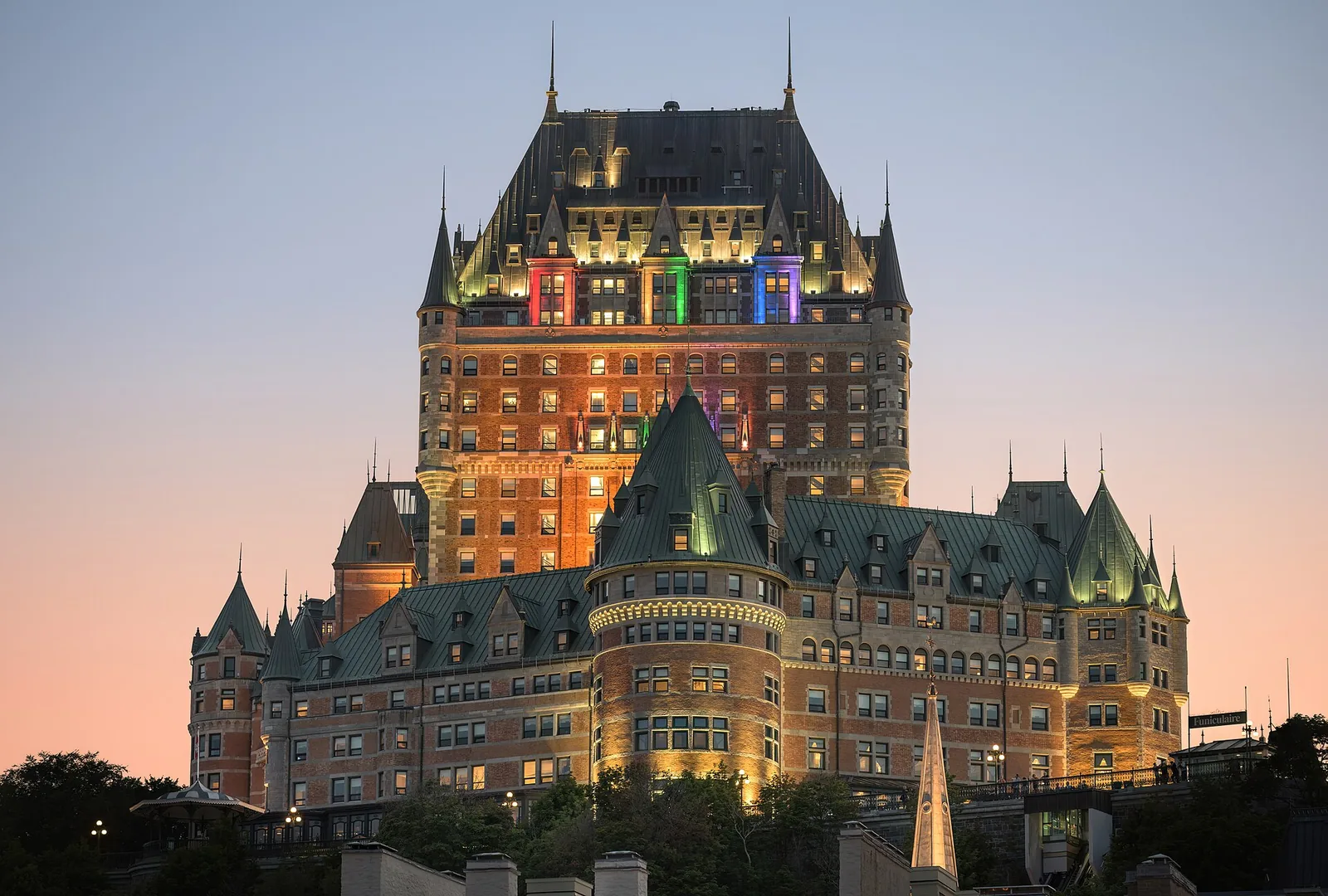
The capital of the province sits on a cliff above the St Lawrence, and its walled old town, Old Québec, is a UNESCO World Heritage Site: the only fortified city north of Mexico whose walls still stand. Inside them you’ll find the Château Frontenac, the turreted hotel that dominates every photo of the city; the steep, narrow lanes of Petit-Champlain below the cliff, reached by a funicular or the aptly named Breakneck Stairs; Place Royale, where Samuel de Champlain founded the city in 1608; and the Plains of Abraham, the battlefield where the British and French fought for control of North America in 1759, now a vast park. Just outside the city, Montmorency Falls plunges down a cliff higher than Niagara Falls.
Getting there
VIA Rail trains leave from Gare Centrale, Montreal’s main station downtown (above Bonaventure metro and beneath the Queen Elizabeth hotel), and take an average of 3 hours 26 minutes to cover the 270 km to Quebec City, with 34 departures a week. Driving is similar or slightly quicker depending on traffic, and intercity buses run from the Montreal bus station at Berri-UQAM. Organised coach tours also run day trips.
Day trip or overnight?
Do the maths: nearly seven hours of travel for a round trip by train, leaving four or five hours in the city. That’s enough to walk the old town and see the Château Frontenac, but not enough to enjoy it. Our strong advice is to stay at least one night. Watching the old town empty out in the evening, and having it almost to yourself in the early morning, is the whole point. If you must do it in a day, take the earliest morning train and the last one back, and focus on the upper and lower old town rather than trying to add Montmorency Falls.
- Best for:
- history, architecture, romantic trips
- Best season:
- any; magical in winter
- Verdict:
- overnight if you possibly can
A day in Old Québec, step by step
If you’ve enjoyed Old Montreal, Old Québec is the same story of New France told on a grander, walled and more dramatic scale. Here’s how to spend a day there, whether it’s your only one or the first of two.
- Morning, the Château Frontenac and Dufferin Terrace. Start at the great hotel on the cliff top and walk the long wooden boardwalk of Dufferin Terrace beside it, with sweeping views down the St Lawrence. This is the classic postcard view of the city.
- Down to Petit-Champlain. Descend to the lower town by the funicular or, if your knees allow, the steep Breakneck Stairs. The narrow lanes of the Quartier Petit-Champlain are lined with boutiques, galleries and cafés in old stone houses.
- Place Royale. A few steps away is the small square where Samuel de Champlain founded the city in 1608, watched over by the little stone church of Notre-Dame-des-Victoires, one of the oldest stone churches in North America.
- Lunch in the lower town. Look for Québécois classics like tourtière (meat pie), pea soup and maple desserts, or simply a café table on a sunny lane.
- Afternoon, the walls and the upper town. Ride the funicular back up and walk a section of the city walls, then wander rue Saint-Louis and rue Saint-Jean, the old town’s main streets.
- Late afternoon, the Plains of Abraham. Walk out through the gates to the vast park on the clifftop where the 1759 battle decided the fate of New France, and look down over the river.
With a second day, add Montmorency Falls, just outside the city, and the Île d’Orléans, a rural island in the river known for its farms, orchards and roadside stands. In winter, the city hosts its famous Winter Carnival; check the festival’s own dates before planning around it.
Mont-Tremblant and the Laurentians
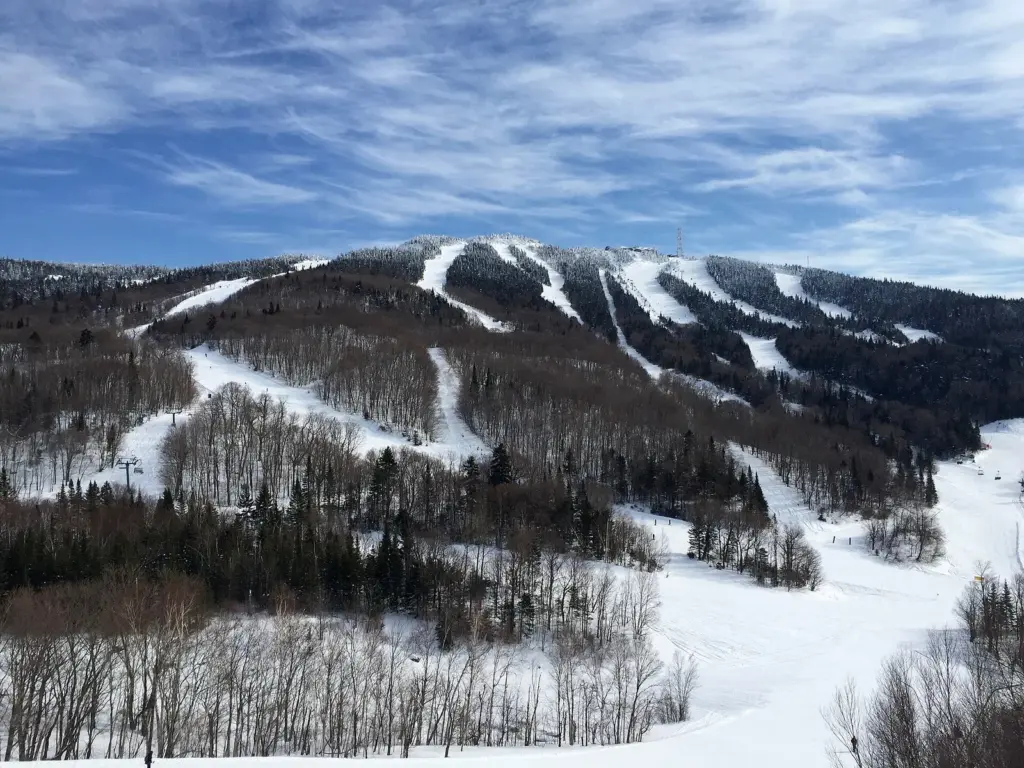
North of Montreal, the Laurentians (les Laurentides) are an ancient, rounded mountain range dotted with lakes, forests, ski hills and small resort towns. They’ve been Montreal’s weekend escape for a century, and they’re at their most beautiful in late September and early October, when the maples turn red and gold earlier than they do in the city.
Mont-Tremblant
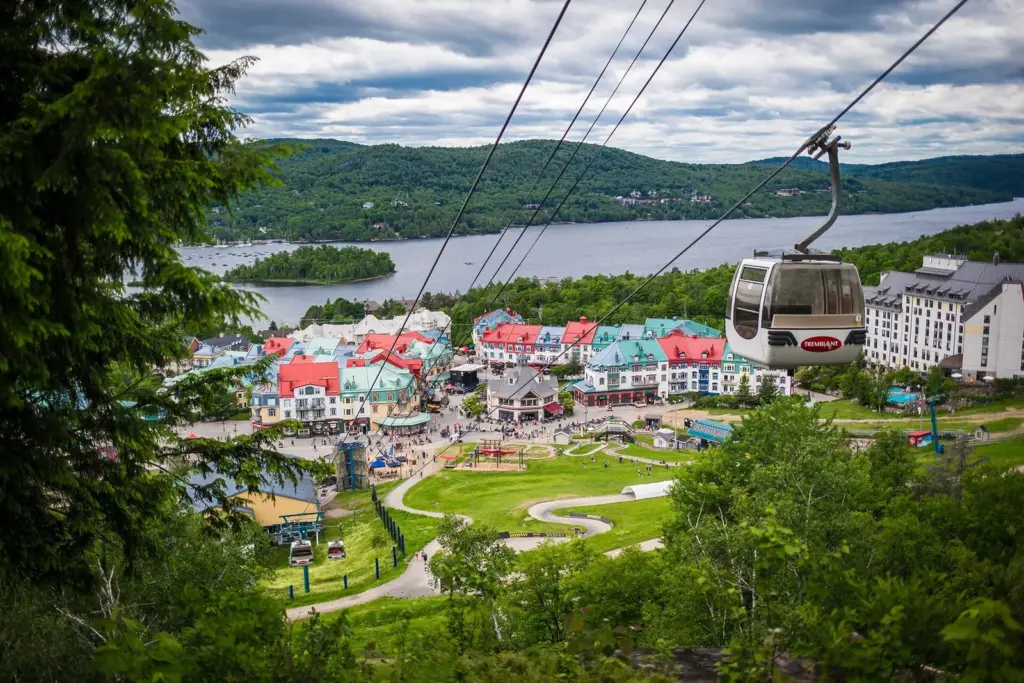
The star of the region is Tremblant, the best-known ski resort in eastern Canada, which the resort itself describes as about 90 minutes from Montreal by car. At its foot is a colourful, car-free pedestrian village of shops, restaurants and hotels, with a gondola rising up the mountain above Lac Tremblant. In winter it’s a full-scale ski destination; in summer and autumn it’s all about hiking, mountain biking, the lakes and the views from the summit.
If you don’t have a car, the resort’s Getaway Shuttle connects Montreal to Tremblant Resort from 27 June to 11 October 2026, and there are shuttle and private transport services from Montréal–Trudeau airport. Tremblant works as a long day trip, but staying a night lets you enjoy the village in the evening and the mountain early the next morning.
- Best for:
- skiing, hiking, a mountain-resort atmosphere
- Best season:
- winter for skiing; late September to early October for colour
- Verdict:
- good day trip, better overnight
Parc national du Mont-Tremblant
Beyond the resort lies Parc national du Mont-Tremblant, the oldest and one of the largest of Quebec’s national parks, covering 1,510 km² of forests, lakes, rivers and waterfalls. It’s run by Sépaq, Quebec’s parks agency, and offers canoeing, hiking, swimming and wildlife watching, with a much wilder feel than the resort. A daily access fee applies, and an annual Québec National Parks Card costs $51.50 for an adult (from 1 May 2026, taxes included), which covers every Sépaq national park for a year. Check current fees and conditions on the Sépaq website.
The Laurentian villages
Closer to Montreal, the villages of the lower Laurentians make an easy day out. Saint-Sauveur is a lively ski town with small ski hills, outlet shopping and restaurants. Val-David is an arty village known for its craft studios, climbing cliffs and summer markets. Linking many of the villages is the P’tit Train du Nord, a former railway line converted into a long linear park for cycling in summer and cross-country skiing in winter. A classic autumn day trip is a drive up through the villages to Tremblant and back, stopping for the views and a late lunch.
- Best for:
- scenery, cycling, autumn colour
- Best season:
- late September to mid-October
- Verdict:
- good day trip by car
A Laurentian colour drive, step by step
The classic autumn day out from Montreal is a drive north into the Laurentians while the maples are at their peak, usually in late September and early October.
- Leave early. Head north off the island on Autoroute 15, the Laurentian Autoroute, ideally before 08:00 on a weekend to beat the colour-hunting traffic.
- Saint-Sauveur for breakfast. The first of the mountain towns, with cafés and bakeries along its main street and ski slopes turning red and gold above it.
- Val-David for a wander. Continue north to the arty village, stroll its craft studios and, if you’ve brought a bike, ride a stretch of the P’tit Train du Nord trail.
- Tremblant for the afternoon. Ride the gondola up the mountain for the view over the forests and lakes, then walk through the pedestrian village.
- Head home before dark. Allow extra time for the return, as Sunday evening traffic back towards the city can be heavy in peak colour season.
Midweek, the same drive is far calmer. If you can, go on a weekday.
Ottawa
Canada’s capital is the best city day trip from Montreal, because the train is fast. VIA Rail trains from Gare Centrale take an average of 2 hours 4 minutes to cover the 185 km, with 35 departures a week, so you can leave after breakfast and be back for a late dinner.
Ottawa’s highlights are concentrated and walkable. Parliament Hill, with its Gothic Revival buildings high above the Ottawa River, is the symbolic heart of the country; its main Centre Block is closed for a long-term renovation, so check what’s open for tours before you go. The National Gallery of Canada has the finest collection of Canadian art anywhere. Across the river in Gatineau, Quebec, the Canadian Museum of History tells the story of the country and its Indigenous peoples. The ByWard Market area is the lively food and nightlife district. And the Rideau Canal, a UNESCO World Heritage Site, runs through the city centre; in the depths of winter, a stretch of it is famously opened as a skating rink.
Ottawa is bilingual, largely English-speaking, and has a very different feel from Montreal: calmer, greener, more governmental. It’s a good contrast, and it’s especially rewarding if you’re into museums.
- Best for:
- museums, national history, a contrast with Montreal
- Best season:
- any; spring and winter have their own festivals
- Verdict:
- the best city day trip
An Ottawa day by train
Ottawa is one of the few day trips from Montreal that genuinely works without a car, and its main sights are close together. Here’s a plan for a full day.
- Morning train from Gare Centrale. Take an early VIA Rail departure; the journey averages just over two hours. Ottawa’s train station is east of downtown, a short ride on the city’s O-Train light rail or a taxi into the centre.
- Late morning, Parliament Hill. Walk the grounds of the Gothic Revival parliament buildings high above the Ottawa River. The main Centre Block is closed for a long renovation, so check in advance which buildings and tours are open.
- The Rideau Canal locks. Just beside Parliament Hill, a staircase of locks drops the canal down to the Ottawa River, a lovely spot to watch boats in summer.
- Lunch at the ByWard Market. The city’s historic market district, a short walk away, is full of food stalls, cafés, bakeries and restaurants.
- Afternoon, a museum. Choose between the National Gallery of Canada, with the country’s finest collection of Canadian and Indigenous art, and the Canadian Museum of History across the river in Gatineau, Quebec, with its sweeping views back to Parliament Hill. Don’t try to do both properly in one afternoon.
- Evening train back to Montreal. You’ll be back at Gare Centrale in time for a late dinner.

The Eastern Townships
South-east of Montreal, towards the US border, the Eastern Townships (les Cantons-de-l’Est) are a gentle landscape of rolling farmland, lakes, forested hills, vineyards and villages, many of them founded by Loyalists and New Englanders, which gives the region a distinctive mix of English and French heritage in its architecture and place names. It’s reached along Autoroute 10, and it’s best with a car.
Magog, Lake Memphremagog and Mont Orford
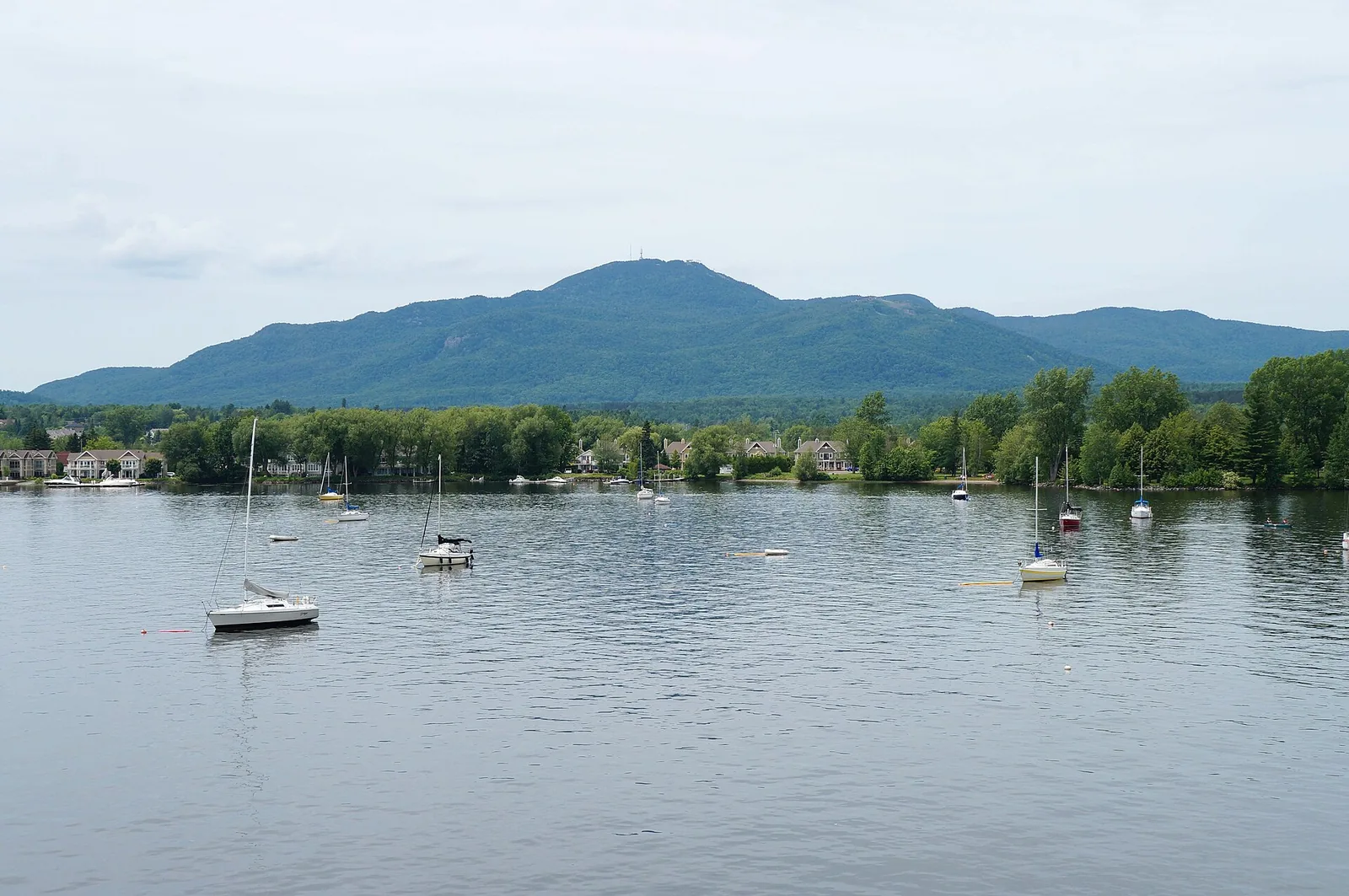
The town of Magog sits at the northern tip of Lake Memphremagog, a long lake that stretches south across the border into Vermont. It has a lakeside promenade, beaches and boat trips, and above it rises Mont Orford, a ski hill and the centrepiece of Parc national du Mont-Orford, another Sépaq park with hiking trails and lakes. On the lake’s western shore, the Abbaye de Saint-Benoît-du-Lac is a working Benedictine monastery whose monks make cheese and cider, which you can buy at the abbey shop; visitors are welcome to hear the monks’ Gregorian chant at services.
North Hatley and Knowlton
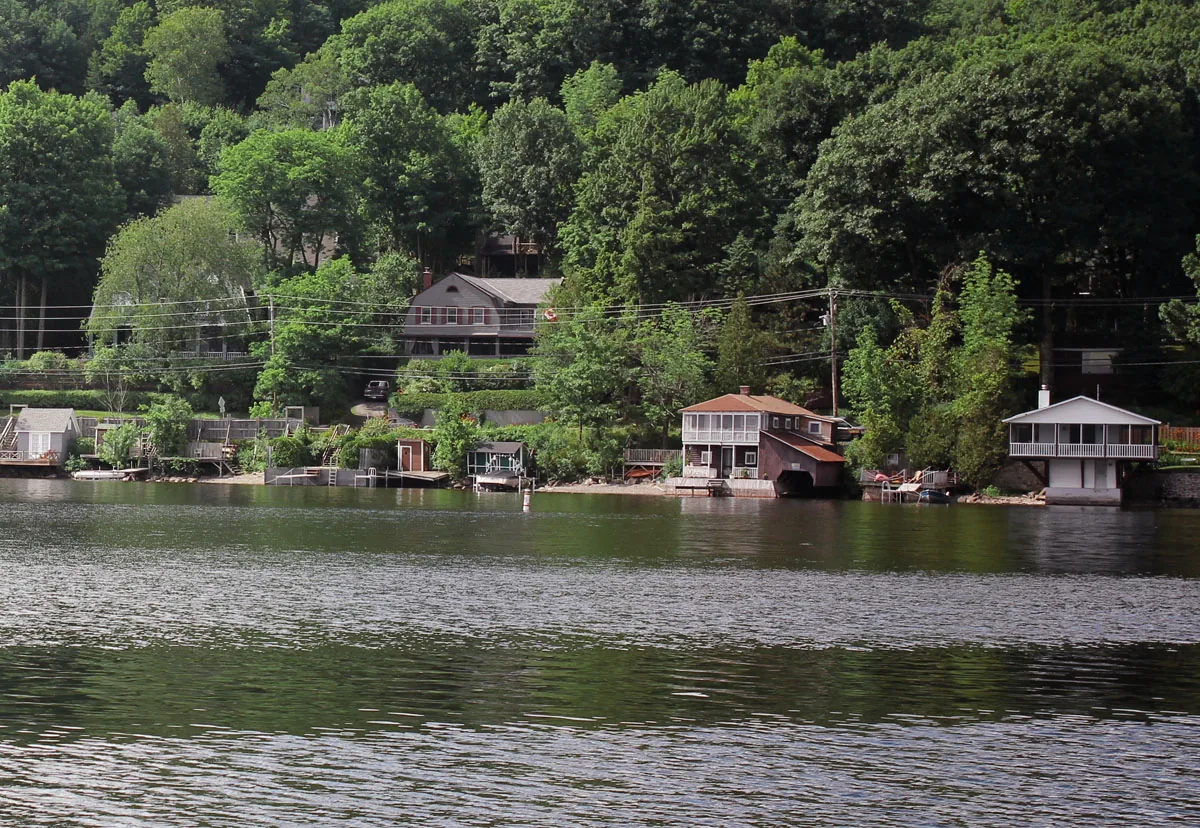
North Hatley, on Lake Massawippi, is a pretty village of Victorian houses and old summer homes, once a resort for wealthy Americans from the south, with inns, antique shops and a lakeside park. Knowlton, in the town of Lac-Brome, is a charming small town with boutiques, cafés and a local tradition of Brome Lake duck. Both are perfect for a slow lunch and a wander.
The wine and cider route
The Townships are the heart of Quebec’s growing wine industry, and the Brome-Missisquoi wine route links vineyards around Dunham and the surrounding villages, many with tastings and shops. Cideries and orchards add to the choice, and this is the place to taste ice cider (cidre de glace), the Quebec speciality made from frozen apples. Choose a designated driver, or book an organised wine tour.
- Best for:
- lakes, villages, wine, autumn colour
- Best season:
- summer and autumn
- Verdict:
- a lovely day trip by car
Eating and drinking your way through the Townships
Food is half the reason to go. Stop at the Abbaye de Saint-Benoît-du-Lac shop for the monks’ cheeses and cider, look for Brome Lake duck on menus around Knowlton, and fill the car boot at the farm stands that line the back roads in late summer and autumn, selling corn, berries, apples, maple syrup and pies. The vineyards of the Brome-Missisquoi route pour tastings of Quebec wines, and many cideries offer ice cider, the region’s sweet, intense speciality made from apples frozen by the winter cold. The villages have good bistros and bakeries for lunch, often in old Victorian houses.
If you plan to taste wine or cider, choose a designated driver or book a tour with transport. Quebec’s drink-driving rules are strict, and the back roads are winding.
Closer to Montreal: Half-Day Escapes
You don’t have to drive far to get out of the city. These are all within easy reach for a half-day or a relaxed full day.
Parc national d’Oka
West of the island, where the Ottawa River widens into the Lake of Two Mountains, Parc national d’Oka has one of the most popular beaches in the Montreal area, along with hiking trails, marshes and a historic calvary trail with old stone chapels on the hill above the lake. The village of Oka gave its name to Oka cheese, originally made by the Trappist monks of the local abbey. Oka is a Sépaq park, so the national parks access fee applies. In summer, arrive early at weekends, when the beach fills up.
Parc national des Îles-de-Boucherville
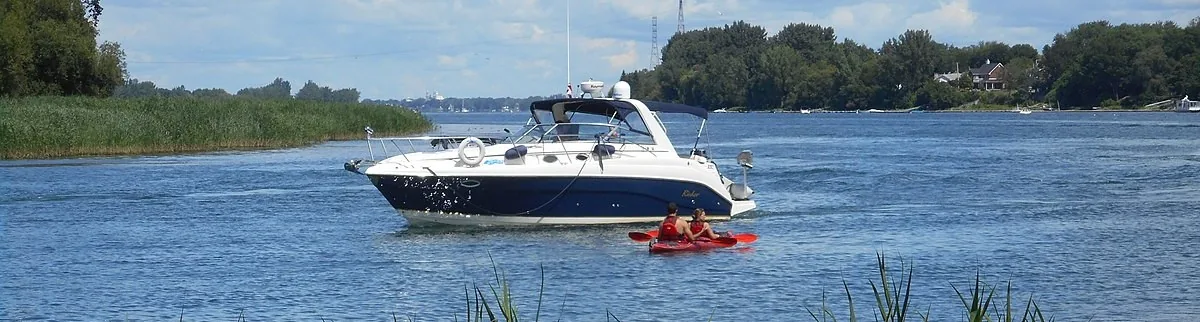
Just across the river from the east end of Montreal, Parc national des Îles-de-Boucherville is a cluster of islands in the St Lawrence with flat cycling and walking trails, marshes, meadows and channels for kayaking and canoeing. It feels far wilder than its location suggests, and it’s one of the easiest nature escapes from the city. Another Sépaq park.
Mont-Saint-Bruno and the Montérégie orchards
South-east of the city, the hills of the Montérégie region rise out of the flat plain. Parc national du Mont-Saint-Bruno has easy forest trails around lakes and an old mill, and a small ski hill in winter. The surrounding area, including the orchards around Rougemont and Mont-Saint-Hilaire, is Montreal’s favourite place for apple picking in September and October, when families flock to the pick-your-own orchards, cider mills and farm stands.
- Best for:
- easy nature, families, autumn apple picking
- Best season:
- summer and autumn
- Verdict:
- easy half-days
Sugar Shacks
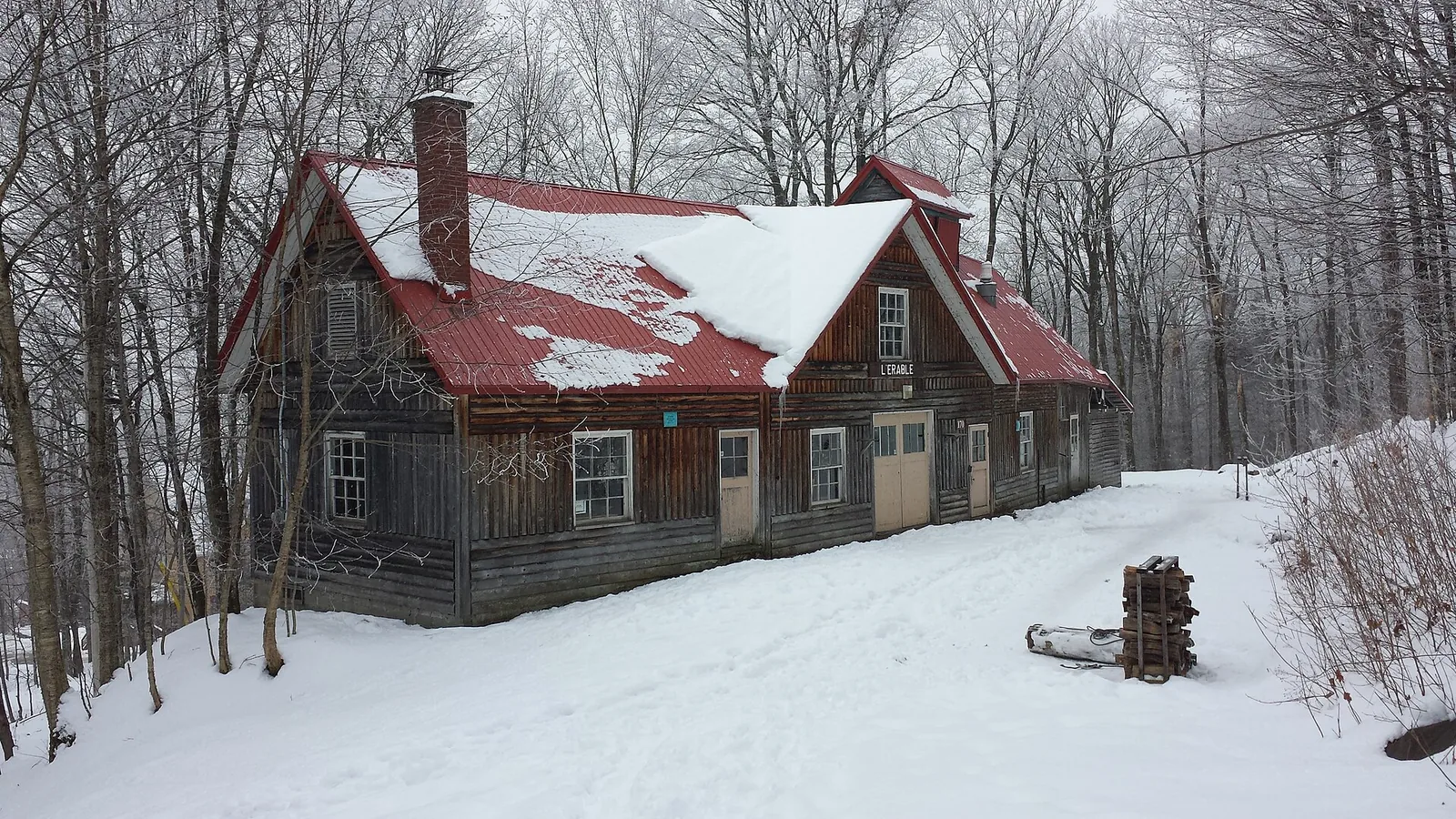
If your trip falls between roughly March and early April, a visit to a cabane à sucre (sugar shack) is one of the most Québécois experiences there is. As the maple sap runs, sugar shacks across the countryside around Montreal open their dining halls for long communal feasts: pea soup, ham, baked beans, omelettes, sausages, crispy pork rinds and potatoes, all meant to be drowned in maple syrup, finishing with tire d’érable, hot maple taffy poured on snow and rolled onto a stick. Many also offer tours of the sugar bush and wagon rides.
The most famous is chef Martin Picard’s Au Pied de Cochon sugar shack at 11382 Rang Fresnière in Mirabel, north-west of the city, open Friday to Sunday in season. Its reservations open on 1 December each year at 09:00 and sell out quickly. Hundreds of more traditional family-run shacks are spread around the region, and most need a car, although some tours include transport. Book ahead for weekends. Our guide to Montreal food has more on Quebec’s maple traditions.
Turning a Day Trip into a Short Break
Some of these destinations are so much better with a night or two that it’s worth planning them as short breaks from the start. Spend your first days exploring Montreal’s neighbourhoods, then head out on one of these loops.
Two days: Quebec City
Take a morning train from Gare Centrale, spend the afternoon in the upper town and the evening on its quiet lanes, and give the second morning to Petit-Champlain and Place Royale before the crowds arrive. Add Montmorency Falls or the Île d’Orléans in the afternoon, and take the evening train back. Of all the trips on this page, this is the one most likely to become the highlight of your holiday.
Two or three days: the Laurentians and Tremblant
Drive north, stopping in Saint-Sauveur and Val-David on the way, and spend the night in Tremblant’s pedestrian village. Next day, ride the gondola up the mountain and head into Parc national du Mont-Tremblant for a hike or a paddle. With a third day, explore more of the park’s lakes and waterfalls. In winter, this becomes a ski trip; in late September and early October, it’s a colour tour.
Two or three days: an Eastern Townships loop
Head east along Autoroute 10 to Knowlton for lunch, continue to the vineyards around Dunham, and spend the night by the lake in Magog or North Hatley. Next day, visit the Abbaye de Saint-Benoît-du-Lac on Lake Memphremagog and hike in Parc national du Mont-Orford, then take the scenic back roads home. It’s an ideal slow break for food and wine lovers.
Three days: Montreal, Ottawa and back
If you’re travelling between Toronto and Montreal, Ottawa sits conveniently on the way, and VIA Rail links all three cities. Spend a night in the capital to see Parliament Hill, the Rideau Canal and a couple of the national museums at an easier pace.
Before booking a summer weekend away, check our Montreal festivals calendar. You may not want to be out of town during the Jazz Festival or Montréal en Lumière.
Day Trips with Children
Families are spoiled for choice around Montreal. In summer, the beach at Parc national d’Oka and the flat cycling trails of the Îles-de-Boucherville are easy wins, and the gondola and pedestrian village at Tremblant are a hit with children of all ages. In autumn, pick-your-own apple orchards in the Montérégie, with their hayrides, cider and farm animals, make one of the best family days out of the year. In late winter and early spring, a sugar shack visit, with its maple taffy on snow, is something children remember for years.
For a city day with kids, Ottawa‘s national museums are excellent, and the Canadian Museum of History includes a hands-on children’s museum. Wherever you go, pack snacks and plan a shorter day than you would for adults: a 90-minute drive each way is a lot for small children, so the closer parks are often the better choice.
Best Day Trips from Montreal by Season
Spring (March to May)
March and early April are sugar shack season. Late April and May are quieter, with melting snow and muddy trails in the mountains, so it’s a good time for city trips: Ottawa, with its spring flower displays, and Quebec City, before the summer crowds.
Summer (June to August)
Head for the water. The beaches at Oka and the lakes of the Eastern Townships and the Laurentians are at their best, Tremblant’s Getaway Shuttle is running, and the Îles-de-Boucherville are ideal for kayaking and cycling. Quebec City is busy but lively.
Autumn (September to October)
The best season for day trips. The Laurentians turn in late September and early October, ahead of the city, which peaks around mid-October. Drive up to Tremblant, go apple picking in the Montérégie, or tour the Eastern Townships’ vineyards during the harvest. For more on timing the colour, see our guide to the best time to visit Montreal.
Winter (December to March)
Skiing at Tremblant, Mont Orford and the Laurentian hills, cross-country skiing and snowshoeing in the national parks, and Quebec City under snow, which is at its most magical. In the coldest weeks, skating on Ottawa’s Rideau Canal is a classic Canadian winter outing. Winter driving needs care; see our Montreal winter guide for what to expect.
Getting There Without a Car
Several of the best day trips from Montreal are possible without driving.
- By train: VIA Rail runs from Gare Centrale to Quebec City (3 hours 26 minutes on average) and Ottawa (2 hours 4 minutes on average). Gare Centrale is directly connected to Bonaventure metro on the Orange line and to the RÉSO underground network.
- By shuttle: Tremblant’s Getaway Shuttle links Montreal to the resort from 27 June to 11 October 2026, and there are shuttles from the airport.
- By bus: intercity coaches leave from the Montreal bus station at Berri-UQAM, where the Green, Orange and Yellow metro lines meet, for Quebec City and other destinations.
- By tour: organised day tours run to Quebec City, Tremblant, the Townships and, in season, sugar shacks, and handle the driving for you.
For getting around Montreal itself before and after your trip, a single metro fare is $3.75 and a 24-hour pass $11.25 as of September 2026.

Driving Tips for Day Trips
- Right turns on red: not allowed anywhere on the island of Montreal. Elsewhere in Quebec they’re generally permitted unless a sign says otherwise, so watch the signs as you leave the island.
- Rush hour: leaving the island on a Friday afternoon or returning on a Sunday evening can add a lot of time. Weekday rush hours are roughly 07:00–09:00 and 16:00–18:00.
- Winter: conditions change fast in the mountains. Check the forecast and road conditions, allow extra time, and confirm with your rental agency that the car is equipped for winter driving.
- Park fees: Quebec’s national parks charge a daily access fee. If you’ll visit several, the annual Québec National Parks Card ($51.50 for an adult from 1 May 2026) may pay for itself.
- Language: road signs are in French. “Arrêt” means stop, “sortie” means exit, and “rue barrée” means the road is closed.
- Crossing the border: the Eastern Townships run right up to Vermont. If you’re tempted to cross, you’ll need a passport and the right entry documents for the United States.
Organised Tour or Independent?
Which way you travel depends on where you’re going.
Go independently by train for Ottawa and Quebec City. VIA Rail from Gare Centrale is comfortable and reliable, drops you in or near the centre, and lets you set your own pace. Book ahead, as the most convenient departures can fill up, especially on Fridays and Sundays.
Rent a car for the Laurentians, the Eastern Townships and the national parks. The countryside is where the car earns its keep: you can stop at a lookout, a farm stand or a village café whenever you like, and you’ll reach trailheads and beaches that buses don’t serve. Pick up the car on the morning you leave rather than paying to park it downtown during your city days.
Book an organised tour if you don’t want to drive, for sugar shacks (where you’ll probably want a drink), wine routes and, if you’re short on time, Quebec City. A tour takes care of the driving, the parking and the timing. The trade-off is less flexibility and more time on the bus collecting other passengers. For Tremblant in summer and early autumn, the resort’s Getaway Shuttle, running from 27 June to 11 October 2026, is a good middle ground.
Day Trip Mistakes to Avoid
- Doing Quebec City as a rushed day trip. Nearly seven hours of travel for a few hours in the old town. Stay the night.
- Heading for the Laurentians in mid-October for colour. The mountains usually peak in late September and early October, earlier than the city.
- Leaving it too late to book a sugar shack. The popular ones fill their weekends early, and Au Pied de Cochon’s opens bookings on 1 December.
- Underestimating Friday and Sunday traffic. Leave early, come back late, or travel midweek.
- Forgetting the park fees. Quebec’s national parks aren’t free to enter.
- Skipping Montreal to do day trips. Three days in the city first; day trips are for trips of five days or more.
For everything to do back in the city, see our guide to the best things to do in Montreal, and for where to base yourself, our guide to where to stay in Montreal.
Frequently Asked Questions
What is the best day trip from Montreal?
For a city, Ottawa is the easiest day trip, at about two hours each way by VIA Rail, with world-class museums and Parliament Hill. For scenery, a drive through the Laurentians to Mont-Tremblant, about 90 minutes by car, is hard to beat, especially in late September and early October. Quebec City is the most spectacular destination, but it’s better as an overnight.
Can you do Quebec City as a day trip from Montreal?
You can, but it’s rushed. VIA Rail trains take an average of 3 hours 26 minutes each way, so a round trip means nearly seven hours of travel and only a few hours in Old Québec. If you go for the day, take the earliest train and the last one back. If at all possible, stay at least one night to enjoy the old town in the evening and early morning.
How far is Mont-Tremblant from Montreal?
Tremblant describes itself as about 90 minutes from Montreal by car, depending on traffic. From 27 June to 11 October 2026, the resort’s Getaway Shuttle connects Montreal to Tremblant Resort, and there are shuttle and private transport services from Montréal–Trudeau airport. It works as a long day trip, but it’s more relaxed with a night in the pedestrian village.
Can you get to Ottawa from Montreal by train?
Yes. VIA Rail trains run from Montreal’s Gare Centrale to Ottawa, taking an average of 2 hours 4 minutes for the 185 km journey, with 35 departures a week. That makes Ottawa an easy day trip: leave after breakfast, see Parliament Hill, the National Gallery and the ByWard Market, and be back in Montreal for dinner.
What are the best day trips from Montreal without a car?
Ottawa and Quebec City are both reachable by VIA Rail from Gare Centrale, and Ottawa is the more practical day trip at about two hours each way. In summer and early autumn, Tremblant’s Getaway Shuttle connects the city with the resort. Intercity buses leave from the bus station at Berri-UQAM, and organised tours cover Quebec City, the Townships and sugar shacks.
When is the best time for fall colour near Montreal?
The Laurentians and the countryside usually peak in late September and early October, ahead of the city itself, which peaks around mid-October because the urban heat island delays the change. For the best of both, drive north to the Laurentians or Tremblant in early October, then enjoy Mount Royal’s colour back in the city a week or two later.
How much does it cost to visit Quebec’s national parks?
Quebec’s national parks, including Mont-Tremblant, Mont-Orford, Oka, Îles-de-Boucherville and Mont-Saint-Bruno, are run by Sépaq and charge a daily access fee. If you plan to visit several, the annual Québec National Parks Card costs $51.50 for an adult, taxes included, valid from 1 May 2026, and covers all of them for a year. Check current rates on the Sépaq website.
Should I take a tour or go independently?
Go independently by VIA Rail for Ottawa and Quebec City, since the trains are comfortable and drop you near the centre. Rent a car for the Laurentians, the Eastern Townships and the national parks, where you’ll want to stop wherever you like. Book an organised tour for sugar shacks and wine routes, so nobody has to drive after a drink, or if you’d rather not deal with driving and parking.