A good Montreal itinerary is built around geography, not a list of sights. The city’s best experiences cluster in a handful of neighbourhoods — Old Montreal and the Old Port by the river, downtown and the museums below Mount Royal, the Plateau and Mile End to the north-east, the Olympic Park further east, the islands in the river and the Lachine Canal to the south-west — and the trick is to give each cluster a morning or an afternoon rather than zig-zagging across town. Do that and three days feels like a week. What follows are tested plans for one, two, three and five days, and a week that adds Quebec City, each with times, metro stops and September 2026 prices, plus the Monday closures that catch people out, seasonal swaps, and a realistic budget.
Two things before you start. First, pick your base with the itinerary in mind: our guide to where to stay in Montreal compares the neighbourhoods. Second, check what day of the week each plan lands on. Several of the city’s best museums close on Mondays, and one of the most famous viewpoints, the Montreal Tower at Olympic Park, is closed until spring 2027. Plans below route around both.
How Many Days Do You Need in Montreal?
Three days is the sweet spot for a first visit. It’s enough to see Old Montreal properly, climb Mount Royal, eat your way through the Plateau and Mile End, and spend a day on either the museums or the Olympic Park, without rushing. Here’s what each length of trip realistically covers.
| Trip length | What you can cover | Best base |
|---|---|---|
| 1 day | Old Montreal and the Old Port, Mount Royal lookout, dinner on the Plateau | Downtown or Old Montreal |
| 2 days | Add Mile End bagels, Jean-Talon Market and a major museum | Downtown |
| 3 days | Add Olympic Park and Space for Life (Biodôme, Botanical Garden) | Downtown or the Plateau |
| 4–5 days | Add the Lachine Canal and Atwater Market, and the islands of Parc Jean-Drapeau | Downtown, the Plateau or Griffintown |
| A week | Add Quebec City by train, or a day in the Laurentians or Eastern Townships | Split between two neighbourhoods |
Montreal’s Geography in Five Minutes
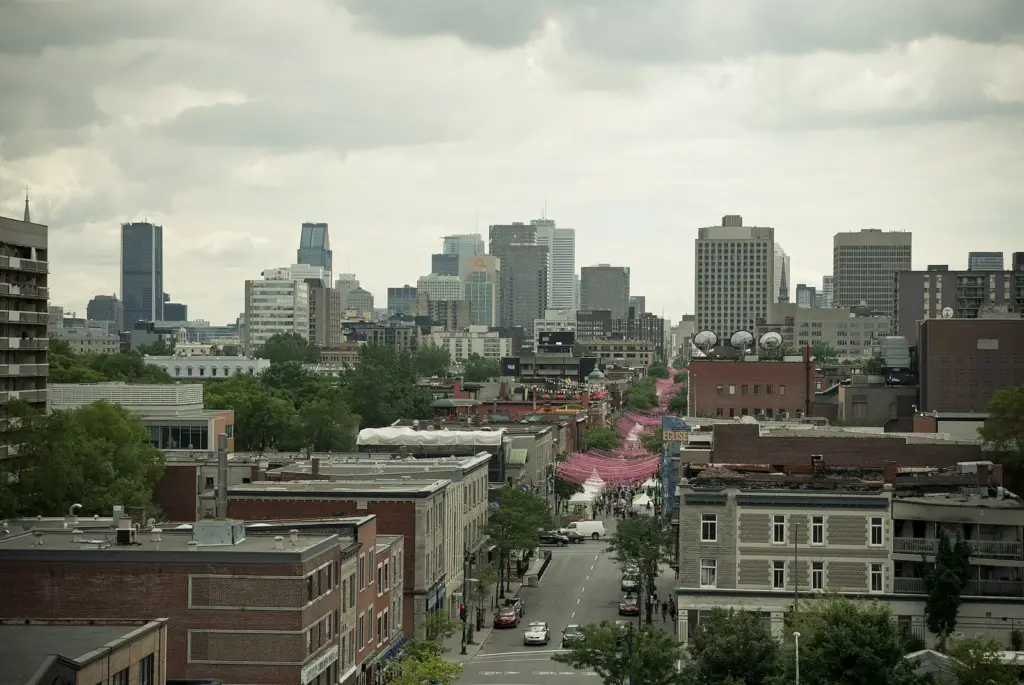
You’ll plan better with a mental map. The St Lawrence River runs along the south-east edge of the island. Beside it sit Old Montreal, the historic district, and the Old Port, its waterfront. Fifteen to twenty minutes’ walk uphill to the north-west is downtown, with its towers, shops, the Quartier des Spectacles festival district and the museums along rue Sherbrooke. Behind downtown rises Mount Royal, the mountain park that gives the city its name.
North-east of the mountain is the Plateau, Montreal’s most characterful residential neighbourhood, and north of that Mile End and Little Italy with the Jean-Talon Market. The Olympic Park, with the Biodôme and the Botanical Garden, is a 20-minute metro ride east. In the river, Parc Jean-Drapeau covers two islands, reached by the Yellow line. And to the south-west, the Lachine Canal runs from the Old Port out past Atwater Market and the restaurants of Little Burgundy and Saint-Henri.
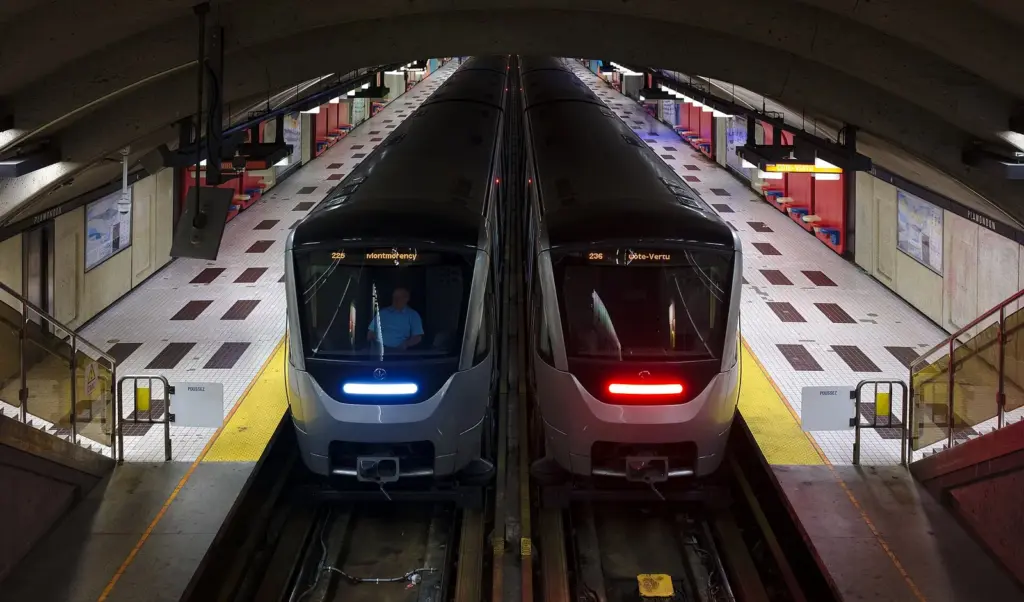
The metro ties it all together. It has four lines — Green, Orange, Yellow and Blue — and runs until about 00:30, later on Saturdays. As of September 2026 a single fare is $3.75, a 24-hour pass $11.25, a 3-day pass $21.75 and a weekend pass (Friday 16:00 to Monday 05:00) $17.00. You can tap a contactless card at the turnstile, or buy a reusable OPUS card for $6 and load passes onto it.

Montreal Itinerary for One Day
One day is tight but doable if you focus on the two things that define the city: the old town by the river and the mountain above it. This plan works any day except that Pointe-à-Callière, the archaeology museum, is closed on Mondays; if you’re here on a Monday, simply skip it.
- 08:30, breakfast near Place d’Armes. Coffee and a pastry at Crew Collective & Café, in a gilded 1920s banking hall at 360 rue Saint-Jacques. Metro: Place-d’Armes (Orange).
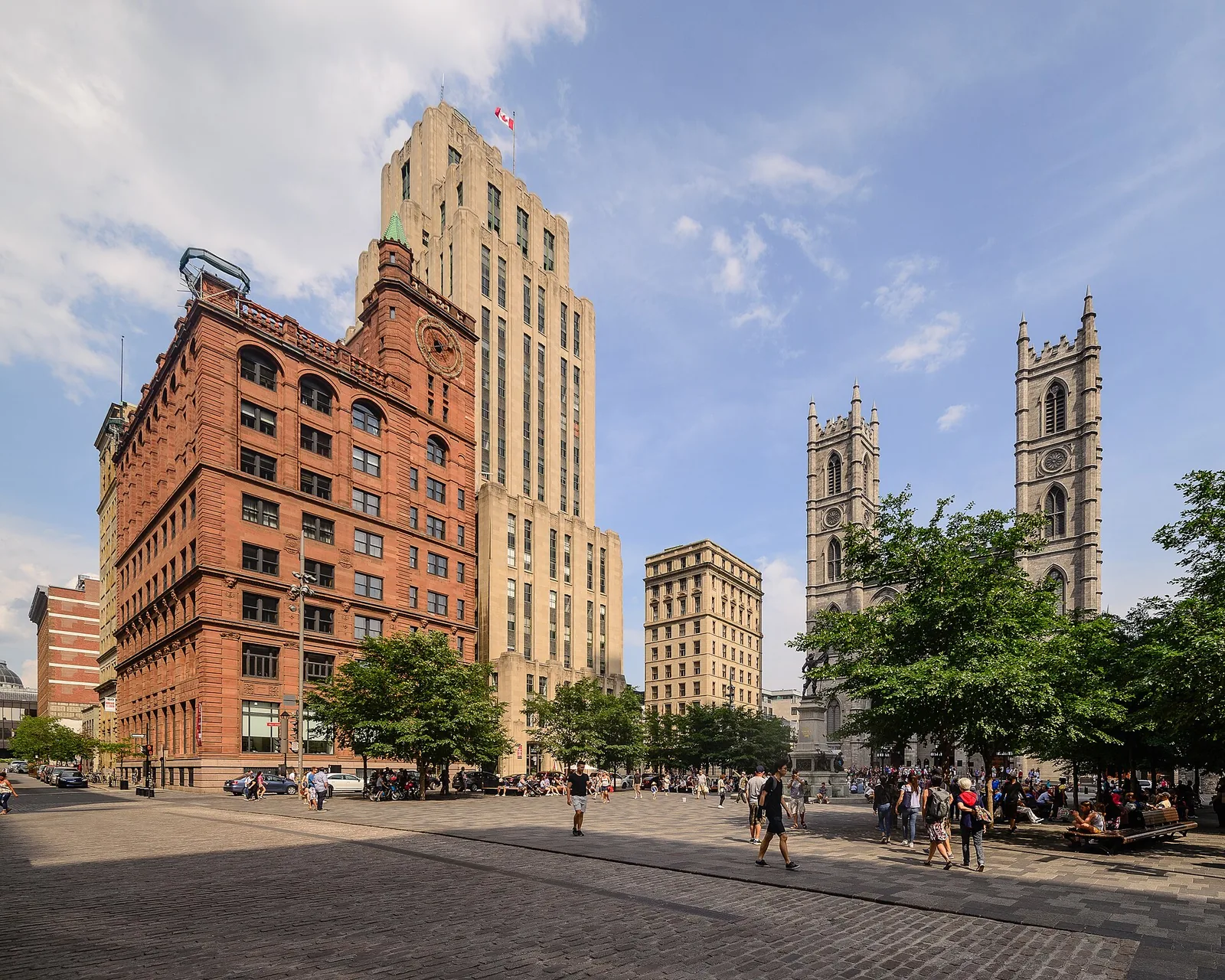
- 09:00, Notre-Dame Basilica. Be there when it opens, before the tour groups. A daytime visit is $16 including tax. Allow 45 minutes, and don’t miss the Sacré-Cœur Chapel behind the altar.
- 10:00, Place d’Armes and rue Saint-Paul. Walk the old square, then head down to rue Saint-Paul and follow it east past the galleries and stone warehouses to Place Jacques-Cartier and the Bon-Secours Chapel. Allow an hour, with detours.
- 11:15, Pointe-à-Callière (optional, closed Mondays). The museum on the city’s founding site costs $30 for adults aged 31–64. If you only have one day, do the underground archaeological circuit and skip the temporary exhibitions. Allow 75 minutes.
- 12:45, lunch. Olive et Gourmando on rue Saint-Paul Ouest for sandwiches and pastries, or a quick walk north to Chinatown for dumplings.
- 14:00, the Old Port. Walk the riverside promenade from the Clock Tower back towards King-Edward Quay. On a clear day, the observation wheel, La Grande Roue, is $29.50 plus tax.
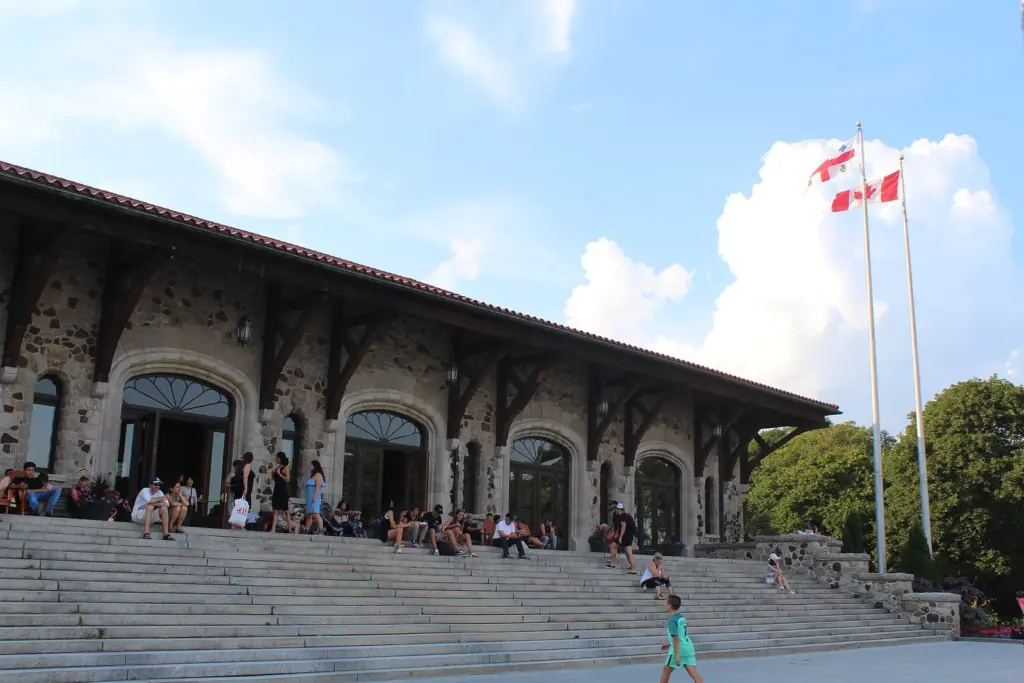
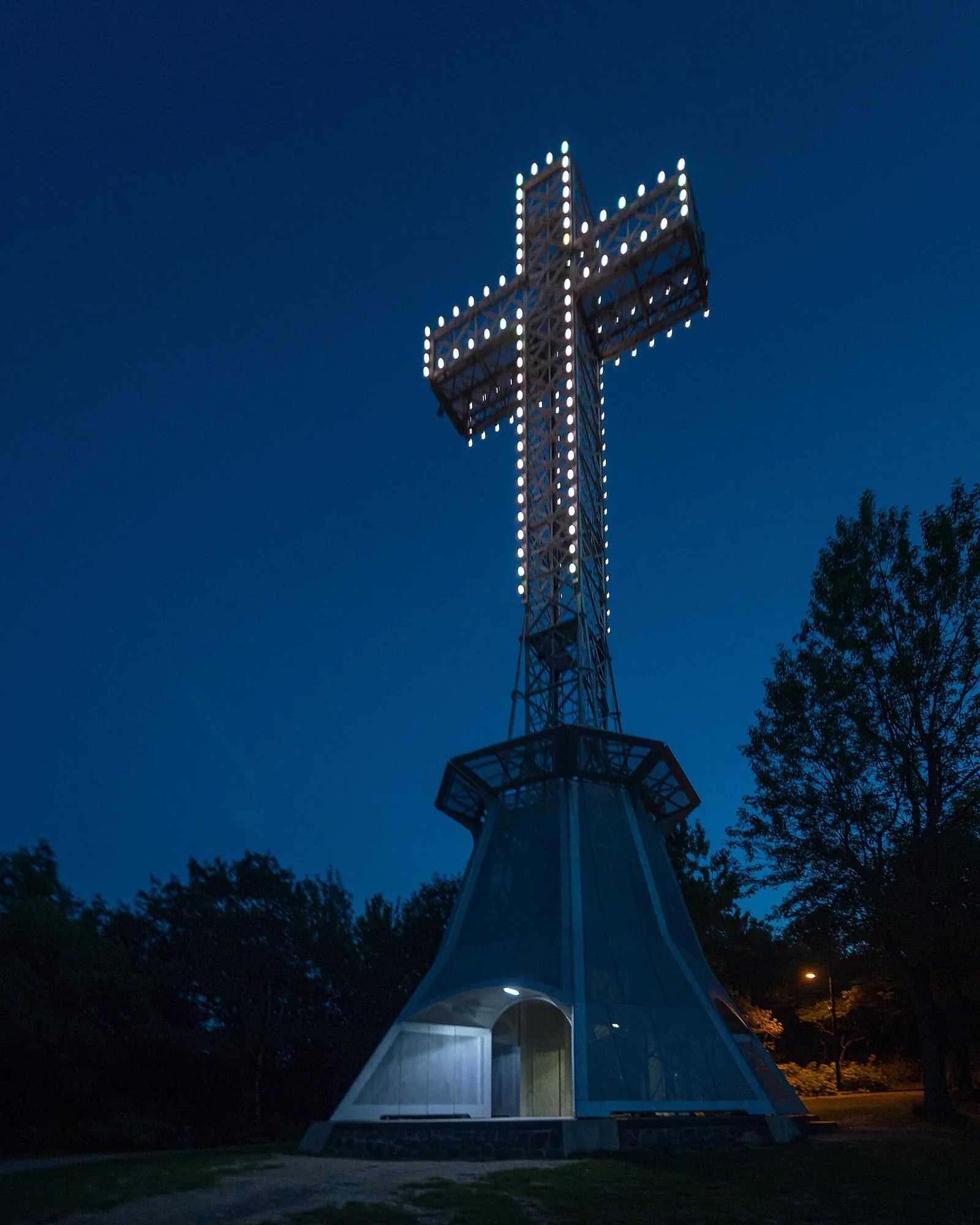
- 15:30, up Mount Royal. Take the metro to Mont-Royal (Orange) and the 11 bus up the mountain, or a taxi to the Chalet. Walk to the Kondiaronk Belvedere, the free lookout over downtown, and on to the Mount Royal Cross. Allow two hours.
- 18:30, dinner on the Plateau. Walk down the mountain’s eastern side into the Plateau. Queue at Schwartz’s for smoked meat, or book a bistro on rue Saint-Denis or a bring-your-own-wine restaurant on rue Duluth.
- Late: if you’re still going after the bars close at 03:00, La Banquise on rue Rachel Est serves poutine 24 hours a day.
Cost of paid sights: $16 for the basilica, plus $30 for Pointe-à-Callière and $29.50 plus tax for the wheel if you do them, and an $11.25 day pass.
Two-Day Montreal Itinerary
Two days lets you slow down in Old Montreal and add the city’s neighbourhood life: markets, bagels and a major museum.
Day one: Old Montreal, the Old Port and Mount Royal
Follow the one-day plan above at a gentler pace. Give Pointe-à-Callière its full two hours, add the Marguerite-Bourgeoys Museum next to the Bon-Secours Chapel ($16, and the only way up the chapel tower for its view of the port), and save Mount Royal for late afternoon, when the light is best on the city side. For the full walking route and the sights we’d skip, see our guide to Old Montreal.
Day two: Mile End, Little Italy and the museums
- 08:30, Mile End bagels. Start at St-Viateur, 263 rue Saint-Viateur Ouest, open 06:00 to midnight, then walk to Fairmount, a few blocks away, for a taste test. Metro: Laurier (Orange), 15 minutes’ walk, or bus 55.
- 09:30, Mile End wander. Browse the cafés, record shops and boutiques on boulevard Saint-Laurent and rue Bernard.
- 10:30, Jean-Talon Market. Walk or take the metro north to Little Italy. The market is open Monday to Saturday 08:00–18:00 and Sunday 08:00–17:00. Graze the samples and buy picnic supplies. Metro: Jean-Talon (Orange, Blue) or De Castelnau (Blue).
- 12:30, lunch in Little Italy. An espresso and a sandwich at one of the cafés on boulevard Saint-Laurent.
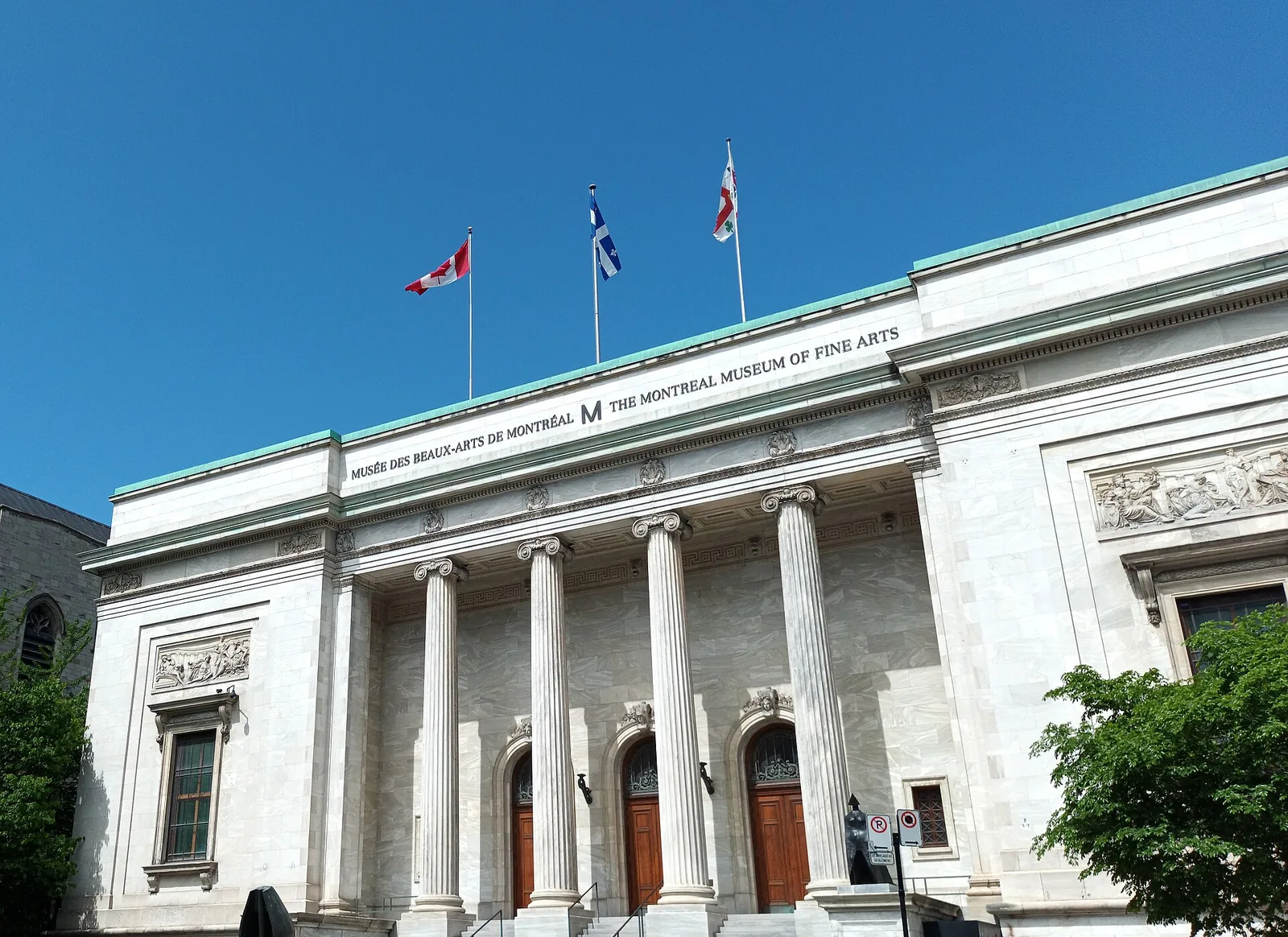
- 14:00, the Montreal Museum of Fine Arts. Take the Orange line back downtown. Admission is $30 ($32 with a major exhibition), and it’s free for anyone 25 and under. It’s open Tuesday to Sunday 10:00–17:00, with late opening on Wednesdays until 21:00, and closed on Mondays except in summer (in 2026, Monday opening ran until 23 September). Metro: Guy-Concordia or Peel (Green).
- 17:30, rue Sherbrooke and the Golden Square Mile. Walk east along Sherbrooke past McGill University’s gates.
- Evening, the Quartier des Spectacles or AURA. In festival season, catch a free outdoor show on the Place des Festivals. Otherwise, book AURA, the sound-and-light show at Notre-Dame Basilica, at $37 plus tax. Evening tickets are sold online or by phone only and often sell out.
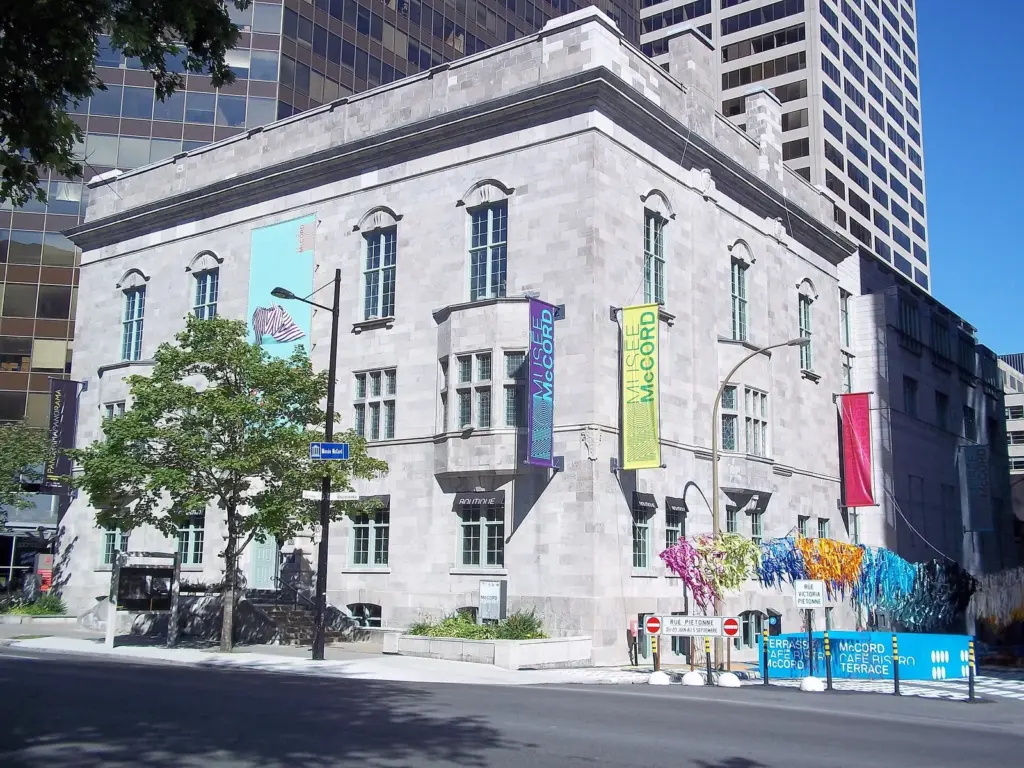
Monday alternative: if day two falls on a Monday outside the summer, swap the Museum of Fine Arts for the McCord Stewart Museum’s history collections (check its hours before you go) or a longer walk on Mount Royal.

Three-Day Montreal Itinerary: The Sweet Spot
Days one and two as above, then a third day in the east of the city, around the Olympic Park and the Space for Life museums.
Day three: Olympic Park, the Biodôme and the Botanical Garden
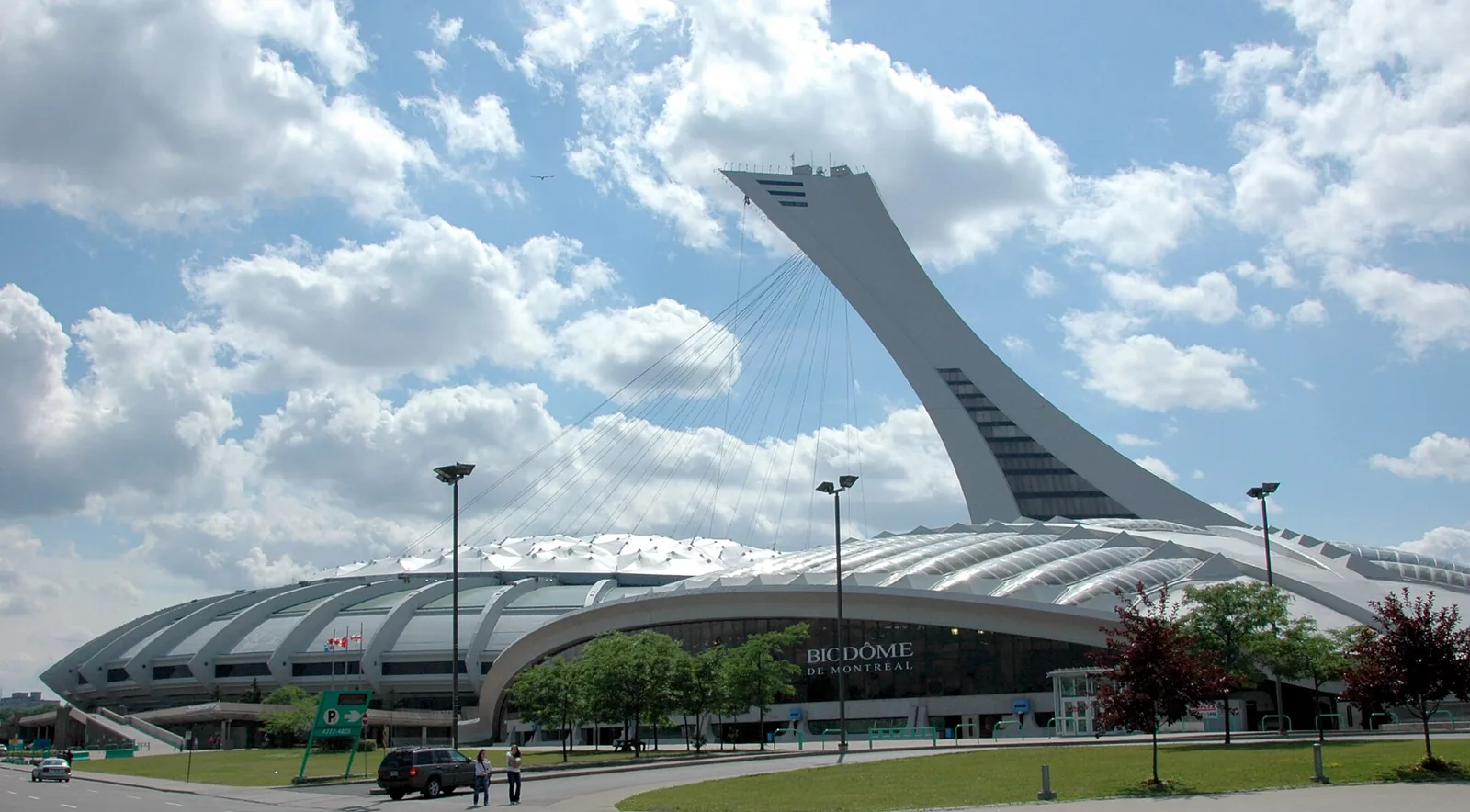
- 09:30, the Biodôme. Housed in the former Olympic velodrome built for the 1976 Games, the Biodôme recreates five ecosystems of the Americas under one roof: a humid tropical rainforest, a Laurentian maple forest, the Gulf of St Lawrence, and the sub-polar Labrador coast and sub-Antarctic islands, complete with penguins. Adult admission is $25.50 including tax. Allow two hours. Metro: Viau (Green).
- 11:30, Olympic Park. Walk around the base of the stadium and its inclined tower, the tallest inclined tower in the world. Its observatory is closed until spring 2027, and the stadium is closed for works, so enjoy it from the ground. The Olympic Park guided tour ($23.50) runs only until 27 September in 2026.
- 12:30, lunch. Bring a picnic from Jean-Talon, or eat at one of the cafés inside the Space for Life museums.
- 13:30, the Botanical Garden. Cross boulevard Pie-IX to one of the largest botanical gardens in the world: about 75 hectares with some 20 thematic gardens, including the Chinese and Japanese gardens, and 10 greenhouses. Admission is $25.50. Allow two to three hours. The Insectarium, the largest of its kind in North America, is in the grounds and also costs $25.50. Metro: Pie-IX (Green).
- Evening: between 3 September and 1 November 2026, stay for Gardens of Light, when the Chinese and Japanese gardens are lit with lanterns after dark. Its timed tickets include daytime entry to the garden, so plan the afternoon around it. Otherwise, head back to the Old Port for an evening at Bota Bota, the spa boat ($65 to $155 before tax, 18 and over), or to the Bell Centre if the Canadiens are at home.
Space for Life has no day combo ticket. If you’ll visit three or more of its museums, or come back within a year, the Space for Life Passport costs $87 for one person and gives 12 months of unlimited entry to all five museums.
Alternative day three: Saint Joseph’s Oratory and the mountain
If the Olympic Park doesn’t appeal, spend the third day on the western side of the mountain. Start at Saint Joseph’s Oratory, the largest church in Canada, whose great dome crowns the slope of Mount Royal. Entry is free, and it’s open daily from 06:30 to 21:00; the small museum costs $3. From there, walk up through the park to the Kondiaronk Belvedere and down the other side to Beaver Lake, or into the Plateau for lunch. Metro: Côte-des-Neiges (Blue).

Four- and Five-Day Montreal Itinerary
With more time, add the south-west of the city and the islands in the river.
Day four: the Lachine Canal, Atwater Market and Little Burgundy
- 10:00, BIXI from the Old Port. Rent a bike from a BIXI station near the Old Port. There’s no day pass: it’s $1.60 to unlock plus $0.21 a minute on a classic bike or $0.36 on an e-bike, tax extra. The full season runs from 15 April to 15 November.
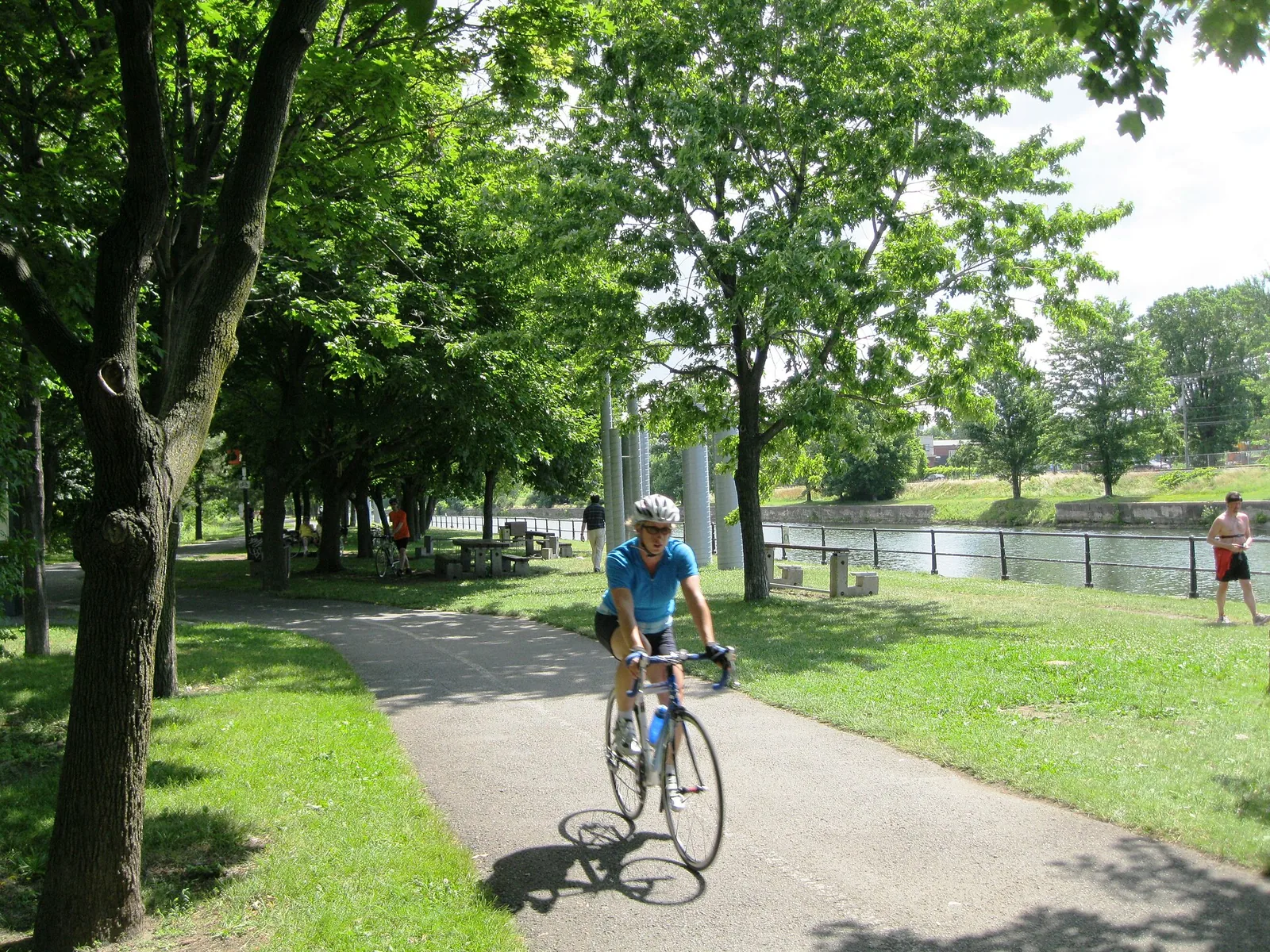
- 10:15, the Lachine Canal. Ride west along the flat canal path, which runs 14.5 km from the Old Port to Lake Saint-Louis. Atwater Market is about half an hour away at an easy pace.
- 11:00, Atwater Market. A 1933 art deco market hall with a clock tower, full of butchers, bakeries and cheese shops. It’s open Monday to Friday 09:00–18:00 and weekends 09:00–17:00. Buy lunch and eat it on the canal bank.
- 13:00, carry on or turn back. Keen cyclists can continue towards Lachine and the lake; otherwise, drop the bike and explore Saint-Henri’s streets and shops.
- Evening, Little Burgundy. Dinner on rue Notre-Dame Ouest, where Joe Beef (Tuesday to Saturday from 17:00) and a string of wine bars and restaurants make this one of the city’s best food strips. Our guide to the best restaurants in Montreal has more. Metro: Lionel-Groulx (Green, Orange).
Day five: Parc Jean-Drapeau and the islands
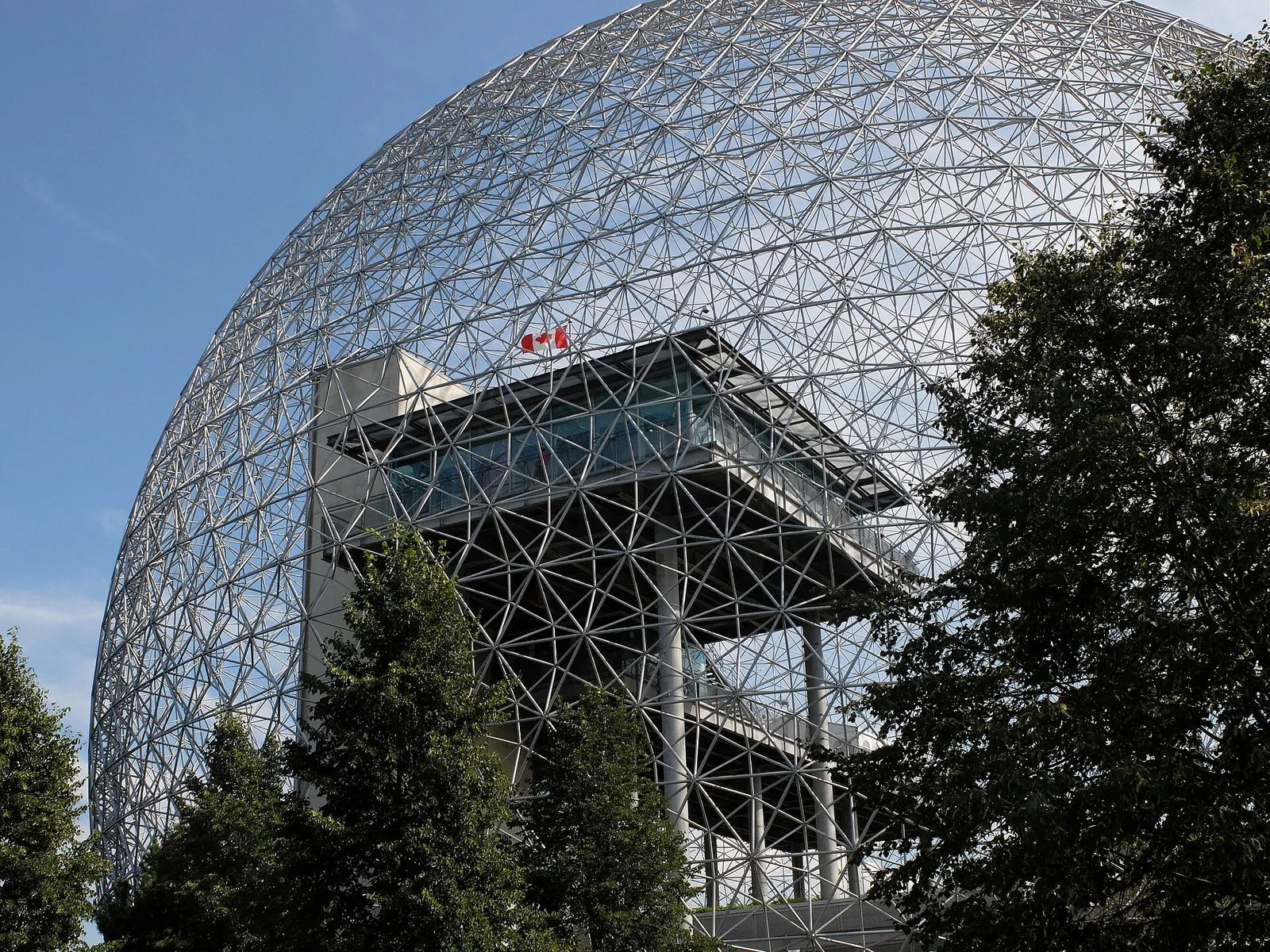
- 10:00, the Biosphère. Take the Yellow line to Jean-Drapeau. The Biosphère, Buckminster Fuller’s geodesic dome built as the United States pavilion for Expo 67, is now an environment museum and part of Space for Life ($25.50). It’s closed on Mondays from September.
- 11:30, the islands. Walk or cycle around Île Sainte-Hélène and across to Île Notre-Dame, a man-made island built for Expo 67. Outside race weekend, you can walk, cycle or rollerblade on the Circuit Gilles-Villeneuve, home of the Canadian Grand Prix.
- Afternoon, summer: swim at Plage Jean-Doré, the city’s beach on Île Notre-Dame. In 2026 it opened from 20 June to 7 September, at $8.69 plus tax for adults. Or spend the afternoon at La Ronde amusement park (from $34.99 plus tax and fees, online only), which runs Fright Fest on weekends from 3 October to 1 November 2026.
- Saturday option, April to November: book a guided tour of Habitat 67, Moshe Safdie’s stacked-box apartment complex across the harbour ($58 including tax, 90 minutes, Saturdays only in 2026).
- Evening: the Casino de Montréal on Île Notre-Dame is open late (18 and over), or head back to the Plateau for a final dinner.
A Weekend in Montreal: Friday Evening to Sunday
The most common Montreal trip is a long weekend, and the city is well set up for it. Buy the weekend transit pass ($17.00), which covers unlimited bus and metro travel from Friday at 16:00 until Monday at 05:00, and you won’t think about fares again.
Friday evening
Drop your bags and head straight out. In festival season, the free outdoor stages of the Quartier des Spectacles are the easiest first evening in the city. Otherwise, take the Orange line to Mont-Royal and walk the Plateau: dinner at a bistro on rue Saint-Denis or a bring-your-own-wine restaurant on rue Duluth, then a drink on avenue du Mont-Royal. Bars pour until 03:00, but save yourself for Saturday.
Saturday
Old Montreal in the morning, starting at Notre-Dame Basilica when it opens, then Place d’Armes, rue Saint-Paul, the Bon-Secours Chapel and the Old Port. Lunch at Olive et Gourmando. In the afternoon, head up Mount Royal to the Kondiaronk Belvedere and walk down through the park into the Plateau. On Saturdays between April and November, architecture fans can swap the mountain for a guided tour of Habitat 67 ($58, 90 minutes). In the evening, book AURA at the basilica, a hockey game at the Bell Centre, or a big dinner. Our Montreal food guide lists the restaurants worth booking.
Sunday
Sunday is Montreal’s neighbourhood day. Start with bagels in Mile End (St-Viateur opens at 06:00), then take the metro to Jean-Talon Market, which is open on Sundays from 08:00 to 17:00. In the afternoon, from May to September, walk to the foot of Mount Royal for the tam-tams, the free Sunday drum circle, one of the city’s great people-watching events. If it’s the first Sunday of the month, the McCord Stewart Museum is pay-what-you-can; otherwise, the Museum of Fine Arts is open on Sundays from 10:00 to 17:00. Head for the airport or train in the early evening.
A Three-Day Montreal Itinerary With Children
Montreal is an excellent family city, as long as you plan around small legs and short attention spans. This version of the three-day plan swaps the long walks and big art museum for the sights children enjoy most.
Day one: the Old Port. Start at the Montreal Science Centre on King-Edward Quay, a big hands-on museum aimed at children and teenagers ($37 for adults). After lunch, ride La Grande Roue ($29.50 plus tax), play on the sand at the Clock Tower Beach, and walk through Old Montreal to Place Jacques-Cartier for the street performers. Keep the basilica visit short, or save it for AURA with older children. Cobbled streets are hard work with a stroller, so stick to the flat riverside promenade where you can.
Day two: Space for Life. Children love the Biodôme, especially the penguins in the sub-Antarctic section, and the Insectarium, the largest of its kind in North America. Each Space for Life museum costs $25.50 for adults or $68 for a family ticket, and a family Space for Life Passport, at $155, gives 12 months of unlimited entry to all five museums, which pays for itself after three visits. Picnic in the Botanical Garden between the two. Metro: Viau and Pie-IX (Green).
Day three: outdoors. In summer, head to Parc Jean-Drapeau for the beach on Île Notre-Dame or La Ronde amusement park. In winter, go tubing and skating at Beaver Lake on Mount Royal, or to the Fête des neiges on January weekends. In spring and autumn, rent BIXI bikes for the older children and ride the flat Lachine Canal path to Atwater Market.
A Day in Montreal That Costs Almost Nothing
Some of Montreal’s best experiences are free. Here’s a full day that costs only a 24-hour transit pass ($11.25) and whatever you spend on food.
- Morning, Saint Joseph’s Oratory. The largest church in Canada is free to enter and open from 06:30. Take in the view from the terrace. Metro: Côte-des-Neiges (Blue).
- Late morning, Mount Royal. Walk up through the park to the Kondiaronk Belvedere for the classic view of downtown, then on to the Mount Royal Cross and Beaver Lake.
- Lunch, a Mile End picnic. Bagels from St-Viateur or Fairmount and fruit from Jean-Talon Market, eaten in a park.
- Afternoon, Old Montreal. Place d’Armes, rue Saint-Paul, the Bon-Secours Chapel (free to enter), Champ-de-Mars with the foundations of the old city walls, and the Old Port promenade are all free.
- Evening, the Quartier des Spectacles. Free outdoor festival shows in summer, the Christmas market from mid-November, and light projections on the buildings much of the year.
If you’re 25 or under, add the Museum of Fine Arts, which is free for your age group. On Sundays from May to September, add the tam-tams.
Tips for Pacing Your Days
- Start early at the big sights. Notre-Dame Basilica and the Biodôme are far more enjoyable in the first hour after opening than at midday.
- Go indoors at the hottest or coldest part of the day. In July, the afternoon humidity makes long walks hard work; in January, the short daylight means outdoor sightseeing belongs in the morning.
- Book the few things that sell out. Evening AURA tickets, Habitat 67 tours and Gardens of Light timed entries all need booking ahead.
- Buy the right transit pass. A 24-hour pass ($11.25) costs the same as three single fares ($3.75 each), so it pays off from the third ride. A 3-day pass ($21.75) beats buying singles once you take six or more rides. Arriving by the 747 bus from the airport, your $11.25 ticket already includes 24 hours of travel.
- Leave room for wandering. Montreal rewards aimless walks, especially in the Plateau and Mile End. Don’t schedule every hour.
- Check the day of the week. Mondays close several museums; Sundays bring the tam-tams and pay-what-you-can at the McCord Stewart on the first Sunday of the month; Saturdays are Habitat 67 tour days.
A Week: Adding Day Trips
With six or seven days, spend five in the city and one or two beyond it.
- Quebec City. VIA Rail trains from Gare Centrale take an average of 3 hours 26 minutes to cover the 270 km, with 34 departures a week. That makes a day trip possible but rushed. Quebec City’s walled old town is best enjoyed with at least one night.
- The Laurentians. The mountains north of the city, with lakes, villages and the resort of Mont-Tremblant, are best with a car. Beautiful in autumn colour and for skiing in winter.
- The Eastern Townships. Rolling farmland, vineyards, cider houses and lakes to the south-east, again best by car.
- A sugar shack, from roughly March into early April. Au Pied de Cochon’s celebrated shack in Mirabel opens its reservations on 1 December each year at 09:00, and they go fast.
Itineraries by Interest
The plans above suit a general first visit. If you have a particular passion, reshape a day around it.
History
Spend a full day in Old Montreal and do the museums properly. Start at Pointe-à-Callière ($30, Tuesday to Sunday), built directly over the site where Ville-Marie was founded in 1642, and give its underground archaeological circuit two hours. After lunch, visit Château Ramezay ($14.99, daily 10:00–17:00), the governor’s house from 1705 where Benjamin Franklin stayed during the American invasion of 1775–76, then the Marguerite-Bourgeoys Museum ($16) beside the sailors’ chapel, with its archaeological dig and tower lookout. Finish at Champ-de-Mars, where the foundations of the 18th-century city wall are laid out in the grass.
Architecture
Montreal is a textbook of North American architecture. Begin at Place d’Armes, where the 1888 New York Life Building, Montreal’s first skyscraper, faces the Gothic Revival Notre-Dame Basilica and the art deco Aldred Building. Walk down rue Saint-Jacques, once the financial heart of Canada. Then cross the harbour to see Habitat 67, Moshe Safdie’s stacked-box housing complex from Expo 67 (tours on Saturdays, $58), and continue to the Biosphère, Buckminster Fuller’s geodesic dome from the same fair. Save the Olympic Park for another day: the stadium and its inclined tower are among the most dramatic modernist structures in the world, even with the observatory closed until spring 2027.
The outdoors
Make Mount Royal the centrepiece. The park was designed by Frederick Law Olmsted, who also designed New York’s Central Park, and was inaugurated in 1876; it covers more than 200 hectares of woods, trails and lookouts. Spend a morning walking its trails to the Kondiaronk Belvedere and Beaver Lake. On another day, cycle the 14.5 km Lachine Canal path from the Old Port to Lake Saint-Louis on a BIXI, or explore the islands of Parc Jean-Drapeau, where you can cycle the Formula 1 circuit. In winter, trade the bike for skates, snowshoes or cross-country skis on Mount Royal’s trails.
Nightlife
Montreal has the latest last call of any major North American city, 03:00, and the legal drinking age in Quebec is 18. Plan late mornings and late nights. Start evenings with dinner on the Plateau, move on to the bars on boulevard Saint-Laurent or avenue du Mont-Royal, or head to the Village on rue Sainte-Catherine Est for its clubs and cabarets. Downtown’s rue Crescent is the classic bar strip for visitors. Finish with a 03:00 poutine at La Banquise, which never closes. Remember the metro stops around 00:30 (later on Saturdays), so budget for a taxi or ride-share home.
Seasonal Swaps for Your Montreal Itinerary
Winter
From mid-November to mid-March, swap the Mount Royal hike for skating at Beaver Lake, where the rink is refrigerated and the pavilion rents skates, snowshoes and snow tubes. Use the RÉSO underground network to cross downtown. Plan around the festivals: the Christmas market (13 November 2026 to 3 January 2027), Igloofest at the Old Port in January, and Montréal en Lumière from 18 to 28 February 2027, with Nuit blanche on the 27th. Replace the canal ride with a Nordic spa evening at Bota Bota. Our Montreal winter guide has everything else, including what to wear.
Summer
Plan evenings around the festivals: the Francos, the Jazz Festival, Just for Laughs, Pride and Osheaga run almost back to back from June to August. See our Montreal festivals calendar for dates. Swap indoor museums for the beach on Île Notre-Dame, and on Sundays from May to September catch the free tam-tams drum circle at the foot of Mount Royal.
Autumn
Put Mount Royal at the heart of your trip in mid-October, when the colour peaks in the city. Add Gardens of Light at the Botanical Garden (to 1 November 2026) and, from 6 October, a Canadiens game at the Bell Centre. For more on timing, see our guide to the best time to visit Montreal.
Rainy days
Swap in Pointe-à-Callière (Tuesday to Sunday), the Museum of Fine Arts, the Biodôme, the Botanical Garden’s greenhouses or the Montreal Science Centre in the Old Port ($37 for adults), all reachable by metro with little time outdoors.
Montreal Itinerary Costs
Adult prices in Canadian dollars, checked in September 2026. “Incl. tax” means the price is final; “+ tax” means sales tax is added at the till.
| Item | Price | Notes |
|---|---|---|
| Metro single fare | $3.75 | Contactless or OPUS card |
| 24-hour pass / 747 airport bus | $11.25 | The 747 fare includes 24 h of network travel |
| 3-day pass | $21.75 | Best value for a three-day trip |
| Weekend pass | $17.00 | Friday 16:00 to Monday 05:00 |
| Notre-Dame Basilica | $16 incl. tax | Daytime visit |
| AURA | $37 + tax | Evening tickets online or by phone only |
| Pointe-à-Callière | $30 incl. tax | Ages 31–64; closed Mondays |
| Marguerite-Bourgeoys Museum | $16 | Includes the chapel tower |
| Château Ramezay | $14.99 incl. tax | Daily 10:00–17:00 |
| Montreal Museum of Fine Arts | $30 ($32 with major show) | Free 25 and under; closed Mondays outside summer |
| Space for Life museums | $25.50 each incl. tax | Passport $87 for 12 months |
| La Grande Roue | $29.50 + tax | 10:00–23:00 |
| Habitat 67 tour | $58 incl. tax | Saturdays, April–November 2026 |
| Bota Bota | $65–$155 before tax | 18 and over |
| BIXI bike | $1.60 unlock + $0.21/min | E-bike $0.36/min; tax extra |
| Saint Joseph’s Oratory, Kondiaronk Belvedere, markets, Old Port | Free | — |
A sample three-day budget for paid sights and transit, following the plan above: a 3-day pass ($21.75), the basilica ($16), Pointe-à-Callière ($30), the Museum of Fine Arts ($30), the Biodôme ($25.50) and the Botanical Garden ($25.50) come to $148.75 per adult, before food. Travellers aged 25 and under save $30 at the Museum of Fine Arts. Add AURA and the wheel and you’re at around $215 plus tax. You could also do a very good three days paying only for transit and food, using the free lookouts, markets, churches and parks.
Food costs vary widely. The Montreal classics — bagels, smoked meat, poutine, Portuguese chicken — are cheap; a big bistro dinner is not. Remember that menu prices exclude sales tax (just under 15%), and tipping is 15–20% at a table and $1–2 a drink at a bar.
Where to Base Yourself for These Itineraries
For the one- to three-day plans, downtown, near McGill, Peel or Place-des-Arts metro, is the most efficient base: it’s a short walk from Old Montreal and a few stops from everything else. Old Montreal suits a romantic weekend. The Plateau suits food lovers and repeat visitors. For the four- and five-day plans, Griffintown puts you next to the Lachine Canal. For a week, consider splitting your stay between two neighbourhoods. Our neighbourhood-by-neighbourhood accommodation guide has the details, including the city’s strict rules on short-term rentals.
Getting Around on Your Itinerary
- From the airport: the 747 bus runs 24 hours a day from Montréal–Trudeau (YUL) to downtown for $11.25, including 24 hours of travel on the network. The REM light rail doesn’t serve the airport yet; its station is targeted for the end of 2027.
- By metro: the backbone of every plan above. It runs until about 00:30, later on Saturdays; after that, it’s a taxi, Uber or night bus.
- On foot: the centre is very walkable. Downtown to Old Montreal is 15 to 20 minutes, downhill.
- By bike: BIXI, from mid-April to mid-November, is ideal for the Lachine Canal and the islands.
- By car: not needed in the city, and a hassle to park. Remember there’s no right turn on red anywhere on the island. Rent one only for day trips.
Itinerary Mistakes to Avoid
- Planning museums for a Monday. Pointe-à-Callière is closed; the Museum of Fine Arts is closed outside summer; the Biosphère is closed from September.
- Counting on the Montreal Tower. Its observatory is closed until spring 2027. Use the free Kondiaronk Belvedere or La Grande Roue instead.
- Zig-zagging across the city. Group sights by neighbourhood, one cluster per morning or afternoon.
- Spending the whole trip in Old Montreal. It’s one district, not the city. The Plateau, Mile End and Mount Royal are essential.
- Turning up for evening AURA without a ticket. Book online in advance.
- Looking for a calèche ride. Horse-drawn carriages were banned in 2020.
- Doing Quebec City as a rushed day trip. At over three hours each way by train, it deserves a night.
For more ideas to slot into any of these plans, our full list of things to do in Montreal ranks the city’s sights and experiences.
Frequently Asked Questions
Is 3 days enough for Montreal?
Yes, three days is the sweet spot for a first visit. It gives you a day for Old Montreal and Mount Royal, a day for Mile End, Little Italy and a major museum, and a day for the Olympic Park and Space for Life or Saint Joseph’s Oratory. With four or five days, add the Lachine Canal and the islands of Parc Jean-Drapeau.
Can you see Montreal in one day?
You can see the highlights. Spend the morning in Old Montreal — Notre-Dame Basilica, Place d’Armes, rue Saint-Paul and the Old Port — and the afternoon on Mount Royal at the free Kondiaronk Belvedere, then have dinner on the Plateau. You’ll miss the museums, markets and neighbourhoods, which is why two or three days is much better.
What is the best 2-day Montreal itinerary?
Spend day one in Old Montreal and the Old Port, with Notre-Dame Basilica, Pointe-à-Callière and the riverside promenade, finishing on Mount Royal in the late afternoon. Spend day two on Mile End bagels, Jean-Talon Market in Little Italy and the Montreal Museum of Fine Arts, then an evening show or AURA at the basilica.
What should you avoid doing on a Monday in Montreal?
Avoid planning Pointe-à-Callière, which is closed on Mondays, and the Montreal Museum of Fine Arts, which is closed on Mondays outside its summer hours (in 2026, Monday opening ran until 23 September). The Biosphère is also closed on Mondays from September. Mondays are good for Mount Royal, the markets, the Old Port and Saint Joseph’s Oratory.
Can you visit Quebec City as a day trip from Montreal?
You can, but it’s rushed. VIA Rail trains from Gare Centrale take an average of 3 hours 26 minutes to Quebec City, so a day trip means nearly seven hours on the train. It’s far better to spend at least one night there, or to rent a car and combine it with a stop along the way.
Is Montreal a walkable city?
Very. The centre is compact: downtown to Old Montreal is a 15- to 20-minute walk, and the Plateau and Mile End are best explored on foot. For longer distances, the metro is fast and simple, with four lines running until about 00:30. Mount Royal involves a real climb, so take the 11 bus up if you’d rather save your legs.
What is a good Montreal itinerary in winter?
Mix an outdoor morning with an indoor afternoon each day. Skate at Beaver Lake on Mount Royal, walk Old Montreal after a snowfall, then warm up in Pointe-à-Callière, the Museum of Fine Arts or the Biodôme. Use the RÉSO underground network downtown, and time your trip for Igloofest in January or Montréal en Lumière, from 18 to 28 February 2027.