The best Montreal tours are the ones that show you something you couldn’t easily find on your own: the stories buried under Old Montreal’s cobbles, the bagel bakeries and market stalls of Mile End and Little Italy, the city seen from the St Lawrence, or a jet boat soaking you in the Lachine Rapids. Plenty of others are expensive ways to see what a metro pass and a good map would show you for a fraction of the price. Below: every kind of tour worth considering, from walking and food tours to river cruises, bike tours, hop-on hop-off buses, architecture visits, winter outings and day trips to Quebec City and Tremblant, with prices where we could verify them in September 2026, what’s no longer running, and an honest view of when a guide is worth paying for and when to go it alone.
Which Montreal Tour Is Right for You?
- First visit, one day: a walking tour of Old Montreal in the morning, then the rest of the day on your own.
- Food lovers: a guided food walk through Mile End and Jean-Talon Market.
- Short stay or limited mobility: a hop-on hop-off bus, which gives you an overview of the city without the walking.
- Families: a river cruise from the Old Port, or a jet boat through the Lachine Rapids with children old enough to enjoy getting soaked.
- Active travellers: a bike tour along the Lachine Canal and up to Mount Royal.
- Architecture fans: a guided tour of Habitat 67, plus AURA inside Notre-Dame Basilica.
- A day beyond the city: a coach tour to Quebec City and Montmorency Falls, or the train and your own feet.
Montreal Tours Compared
Here are the main types of tour side by side. Where a price appears, it was checked on the operator’s own site in September 2026. Many tour prices change with the season and the booking platform, so treat the rest as a guide to what’s on offer and check the operator’s site when you book.
| Tour type | Typical length | Price guide (Sep 2026) | Best for | Worth it? |
|---|---|---|---|---|
| Old Montreal walking tour | 1.5–2.5 hours | Varies by operator; some tip-based | First-timers, history | Yes, on day one |
| Food tour | 2.5–3.5 hours | Varies; tastings included | Foodies, small groups | Yes, if you’d eat out anyway |
| Hop-on hop-off bus | 2-hour loop; 1- or 2-day tickets | Varies by ticket | Short stays, limited mobility | Sometimes |
| River cruise | About 1.5 hours | Varies by season | Views, families, a rest | Yes, in fine weather |
| Lachine Rapids jet boat | Short, intense ride | Varies | Thrill-seekers, teens | Yes, in summer |
| Guided bike tour | 3–4 hours | Varies; bike included | Active travellers | Yes, or DIY with BIXI |
| Habitat 67 tour | 90 minutes | $58 incl. tax; Saturdays, April–November 2026 | Architecture fans | Yes, if the building interests you |
| AURA at Notre-Dame Basilica | Evening show | $37 + tax; basilica tour package from $45 | Everyone | Yes |
| Quebec City day trip by coach | About 12 hours | Varies | Non-drivers short on time | If you can’t stay overnight |
| Tremblant day trip | Full day | Varies | Mountain scenery | In autumn, yes |
Before You Book: What’s Changed
Some of the tours and attractions still sold on older websites and in guidebooks no longer exist, or are temporarily closed. As of September 2026:
- Horse-drawn calèche rides are gone. The city banned them, with the ban taking effect on 1 January 2020, and the trade ended. Any site still selling a calèche ride through Old Montreal is out of date.
- The Montreal Tower observatory at Olympic Park is closed until spring 2027, so tours that promise the view from the top can’t deliver it this year.
- The Olympic Park guided tour ($23.50) ran until 27 September 2026. Check for the next season’s dates before planning around it.
- Au Sommet Place Ville Marie, the downtown observation deck, no longer operates.
- The river shuttle from the Old Port to Île Sainte-Hélène ended its 2026 season on 7 September.
- The Mount Royal Chalet behind the main lookout is closed for works in 2026, and access to the Kondiaronk Belvedere is disrupted. Walking tours up the mountain are adapting their routes.
Also be wary of tours that promise an “underground city” experience. Montreal’s RÉSO is a network of pedestrian tunnels linking metro stations, shopping centres and office buildings, useful in winter, but it isn’t one continuous city you can wander, and it has no single set of opening hours.
Walking Tours
Montreal is a walking city, and a good walking guide is the best introduction to it. The core of Old Montreal, the Old Port and downtown are close together, and most walking tours cover a lot of history in a small area.
Old Montreal history walks
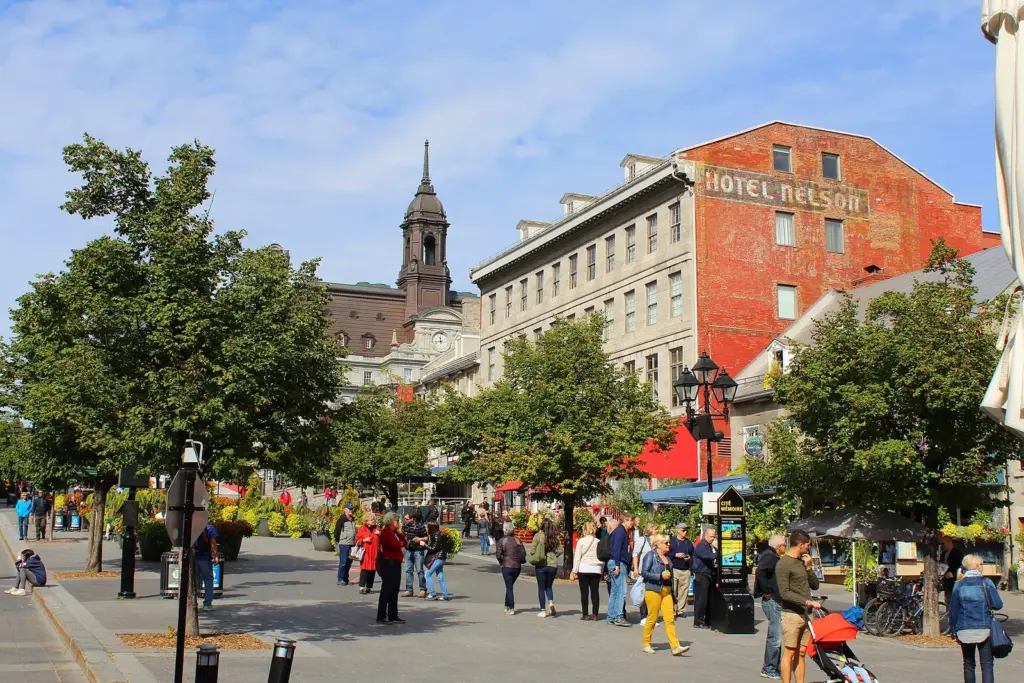
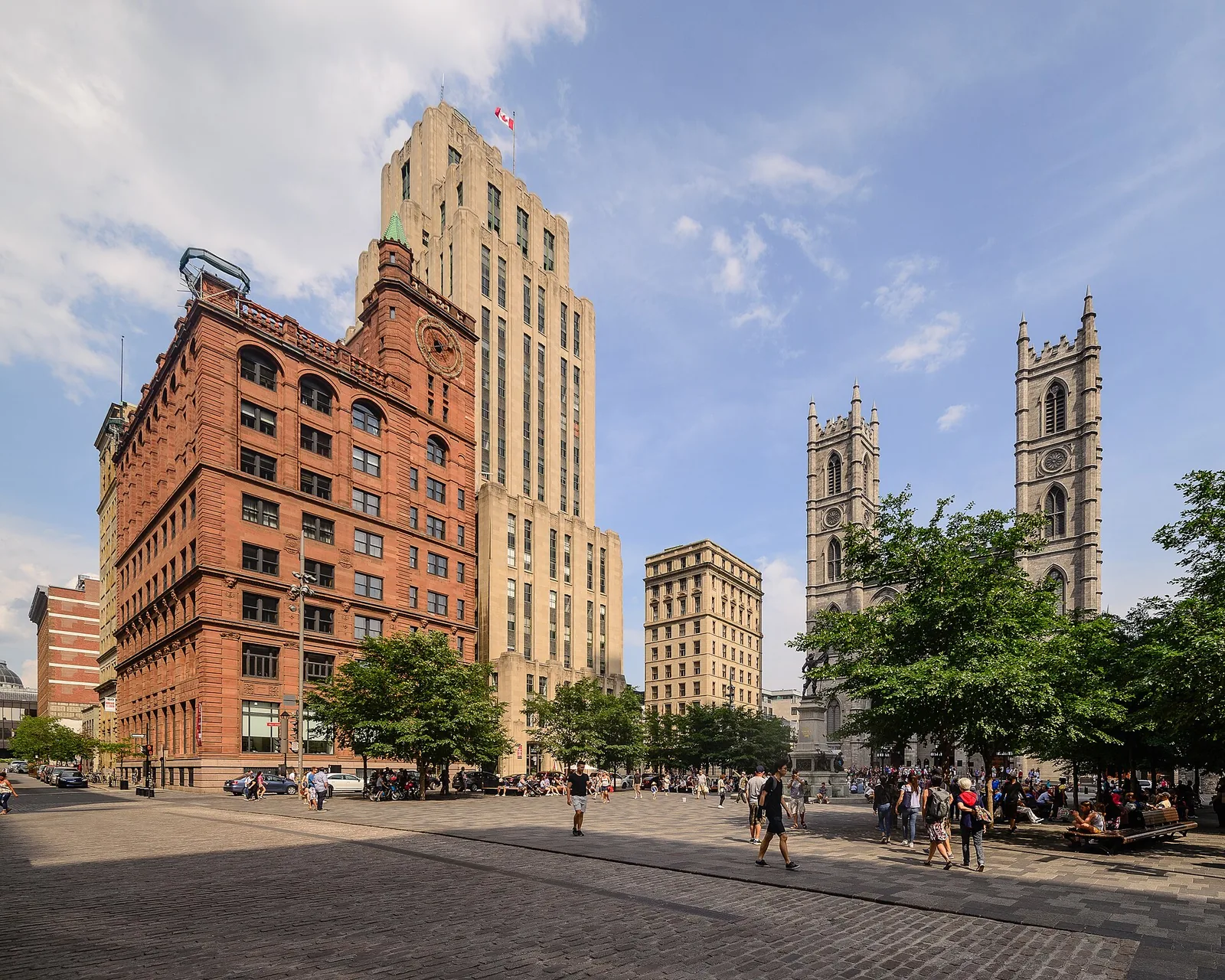
The classic Montreal walking tour covers Old Montreal (Vieux-Montréal), the oldest part of the city, where Ville-Marie was founded in 1642. A good guide will take you from Place d’Armes, where Maisonneuve’s monument faces Notre-Dame Basilica and the city’s first skyscraper, the red sandstone New York Life Building, through the narrow streets of the old merchant quarter, past the Château Ramezay and City Hall, down to Place Jacques-Cartier and the Old Port, and along rue Saint-Paul to the Notre-Dame-de-Bon-Secours Chapel.
What you’re paying for is the stories: the fur trade, the fires and floods, the American occupation of 1775–76, the rise of the port and the 20th-century decline and revival of the old city. Most tours last 90 minutes to two and a half hours, and many run in both English and French. Tours that include Notre-Dame Basilica’s interior or Pointe-à-Callière museum usually charge extra for admission.
Book a walking tour for your first morning. You’ll spend the rest of your trip recognising the places and understanding what you’re seeing. Our guide to Old Montreal covers the sights in detail if you’d rather do it yourself.
Tip-based walking tours
“Free” walking tours, where you pay what you think the tour was worth at the end, run in Old Montreal and downtown in the warmer months. Quality varies with the guide, but the best are lively and informative. The etiquette is to tip what the tour was worth to you; somewhere between the price of a museum ticket and a lunch is common for a good two-hour walk.
Self-guided walks
You can see most of what a walking tour covers on your own, for free. Two routes work especially well:
- Old Montreal loop (2–3 hours): start at Place d’Armes and step inside Notre-Dame Basilica ($16), walk down rue Saint-Sulpice to Pointe-à-Callière, follow rue de la Commune along the Old Port, cut up through Place Jacques-Cartier to City Hall and the Château Ramezay ($14.99), and finish at the Bon-Secours Chapel, which is free.
- River to mountain (about 2 hours): the Promenade Fleuve-Montagne is a 3.8-km signposted walking route, opened for the city’s 375th anniversary in 2017, which links Pointe-à-Callière in Old Montreal with the foot of Mount Royal, via downtown and the McGill campus. Carry on up the mountain if your legs allow.
Ghost and night walks
Old Montreal is at its most atmospheric after dark, when the stone buildings are lit and the crowds have gone, and evening ghost walks retell the old city’s murders, hangings and hauntings. They’re good fun with teenagers, and a gentle way to see the old city at night. Pair one with dinner in Old Montreal or a late visit to AURA.
Street art walks
Boulevard Saint-Laurent and the streets around it in the Plateau and Mile End are covered in large murals, many painted during the annual MURAL festival in June. Guided street art walks explain the artists and the stories behind the walls, and they’re an easy, colourful way to explore the Plateau. Our neighbourhood guide will help you plan a self-guided route.
Food Tours
Food tours are the best-value Montreal tours, because you’d spend money on eating anyway, and a good guide takes you to places you wouldn’t find on your own. They usually last two and a half to three and a half hours, include enough tastings to replace a meal, and are kept to small groups.
Mile End and the Plateau
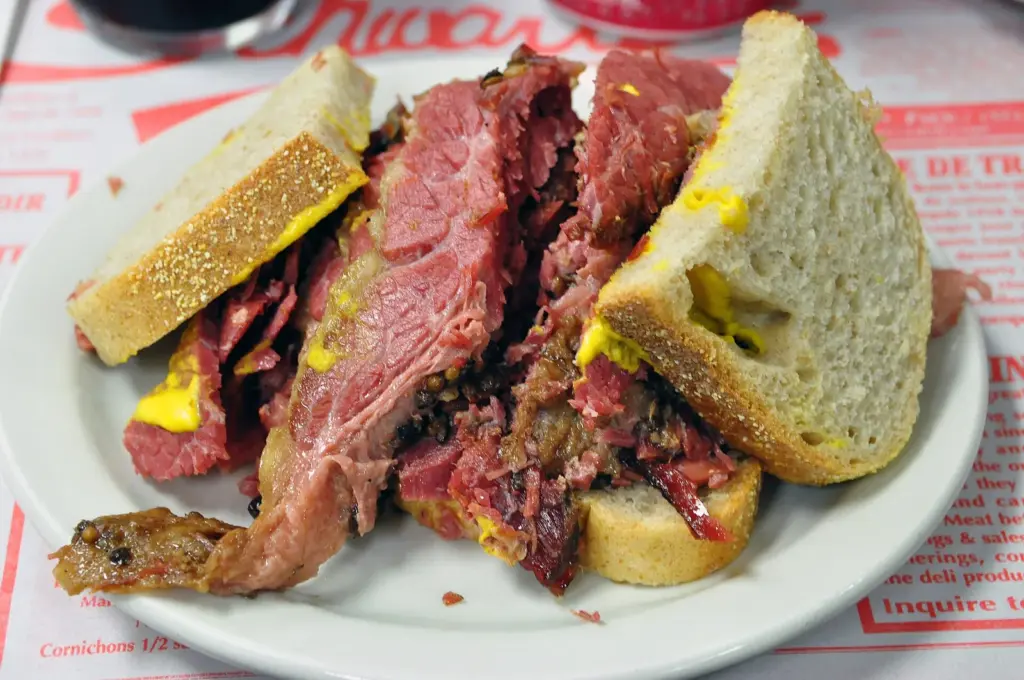
The classic route. You’ll typically watch bagels being rolled and baked in wood-fired ovens at one of the two famous Mile End bakeries, St-Viateur (at 263 rue Saint-Viateur Ouest, open from 06:00 to midnight) or Fairmount; taste smoked meat on boulevard Saint-Laurent, where Schwartz’s has been serving it at number 3895 since the 1920s; and try poutine, cheese, pastries and Quebec craft beer or cider. You’ll learn about the Jewish, Portuguese, Greek and Italian immigrant communities who shaped the neighbourhoods and their food.
Jean-Talon Market and Little Italy
Tours of Jean-Talon Market, open year-round (Monday to Saturday 08:00–18:00, Sunday 08:00–17:00), focus on Quebec produce: maple products, ice cider, cheeses, charcuterie and, in season, strawberries, corn and apples. The market is at its liveliest from about May to November, when around 150 vendors fill the outdoor stalls. Little Italy’s espresso bars and grocers are next door.
Old Montreal food tours
Food tours in Old Montreal are more about French-Canadian classics and the history of the old city’s restaurants. They’re convenient if you’re staying in the area, but the food scene in Mile End and the Plateau is more varied. For restaurant ideas, see our guide to Montreal’s best restaurants.
Sugar shack tours
From roughly March to early April, coach tours run from Montreal to sugar shacks (cabanes à sucre) in the countryside for a traditional maple-season feast and maple taffy on snow. They’re a good choice if you don’t have a car. The most famous shacks book up months ahead: Au Pied de Cochon’s opens bookings on 1 December each year.
Brewery, cider and spirits tastings
Quebec’s craft brewers, cider makers and small distilleries have taken off in the last two decades, and some tours focus on drinks rather than food. City beer walks visit brewpubs in the Plateau and Mile End, where places such as Dieu du Ciel! brew on site. Out of town, the orchards of Rougemont and the Eastern Townships make ice cider, a sweet, strong dessert drink made from frozen apples or juice that’s one of Quebec’s most distinctive products. If you’d rather not drive after tastings, a tour is the sensible choice.
Hop-On Hop-Off Bus Tours
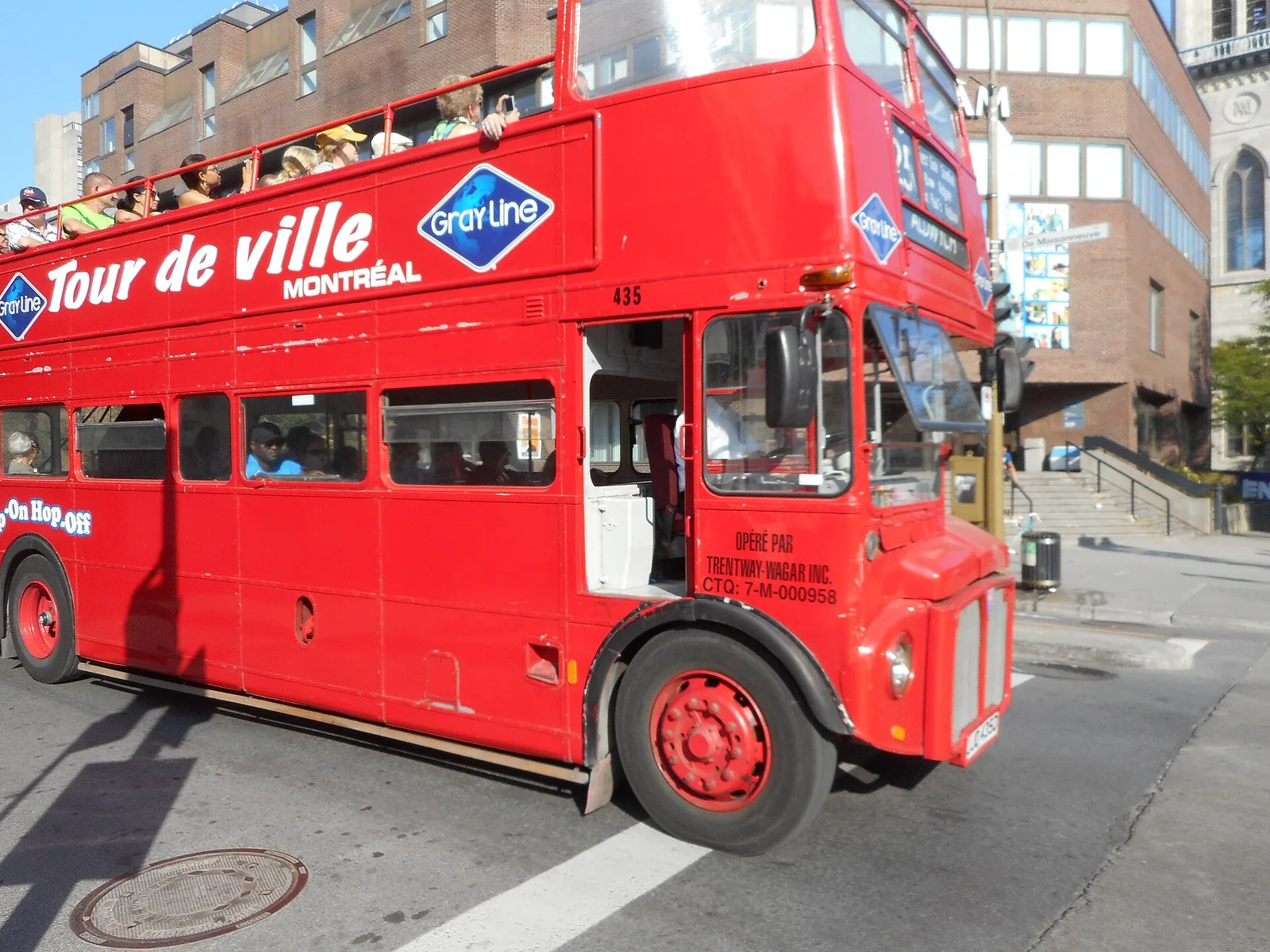
Gray Line runs Montreal’s best-known hop-on hop-off tours, on double-decker buses with a live guide. The format, as listed in September 2026, includes a one-day ticket on a loop of about two hours, a two-day ticket on its Red Loop, and a two-day ticket bundled with a 1.5-hour river cruise with AML. Routes take in the main sights, from Old Montreal and downtown to the mountain; check the current loop and stops when you book, since they change between seasons.
Are hop-on hop-off Montreal tours worth it?
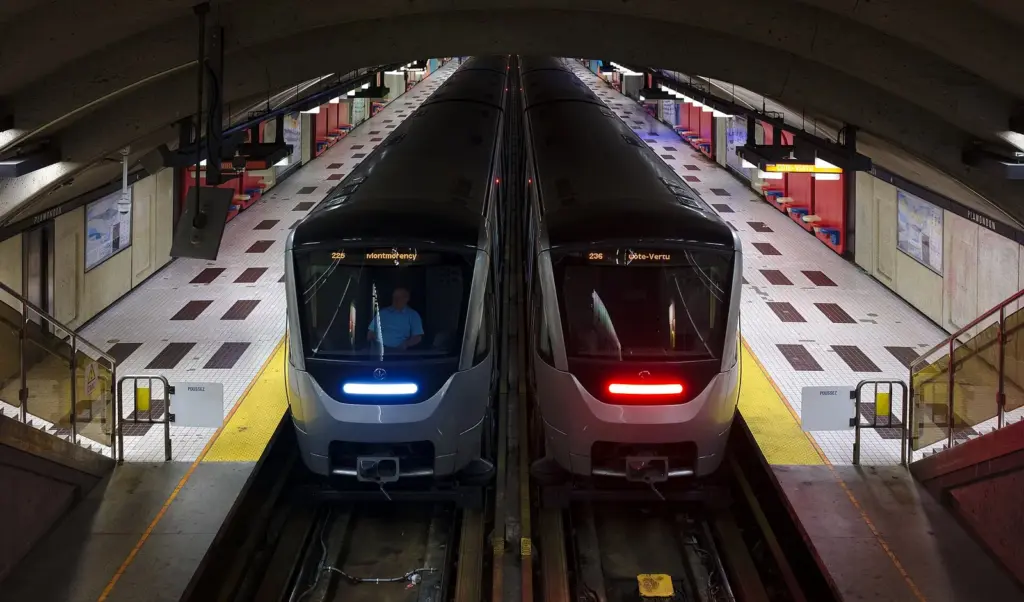
Our honest view: for most able-bodied visitors, not really. Montreal’s metro is fast and simple, a 24-hour pass costs $11.25, and the city’s most interesting places, like the Plateau, Mile End and Old Montreal, are best explored on foot. A double-decker can’t take you down the narrow streets of the old city.
That said, there are good reasons to take one. It can be an easy way to reach scattered sights, such as Saint Joseph’s Oratory on the far side of Mount Royal and Olympic Park in the east end, in one day, if the loop you book includes them. It suits travellers with limited mobility, families with small children, visitors on a very short stopover, and anyone who wants a relaxed overview with commentary on a first afternoon. If you buy one, do the full loop first, then hop off on the second day.
River Cruises and Boat Tours
Montreal is an island, and seeing it from the St Lawrence River puts the whole city in perspective: the Old Port and the old city’s skyline, the downtown towers behind, Mount Royal above them, the Jacques-Cartier Bridge and the islands of Parc Jean-Drapeau. Most cruises run from roughly May to October, from the Old Port.
Sightseeing cruises
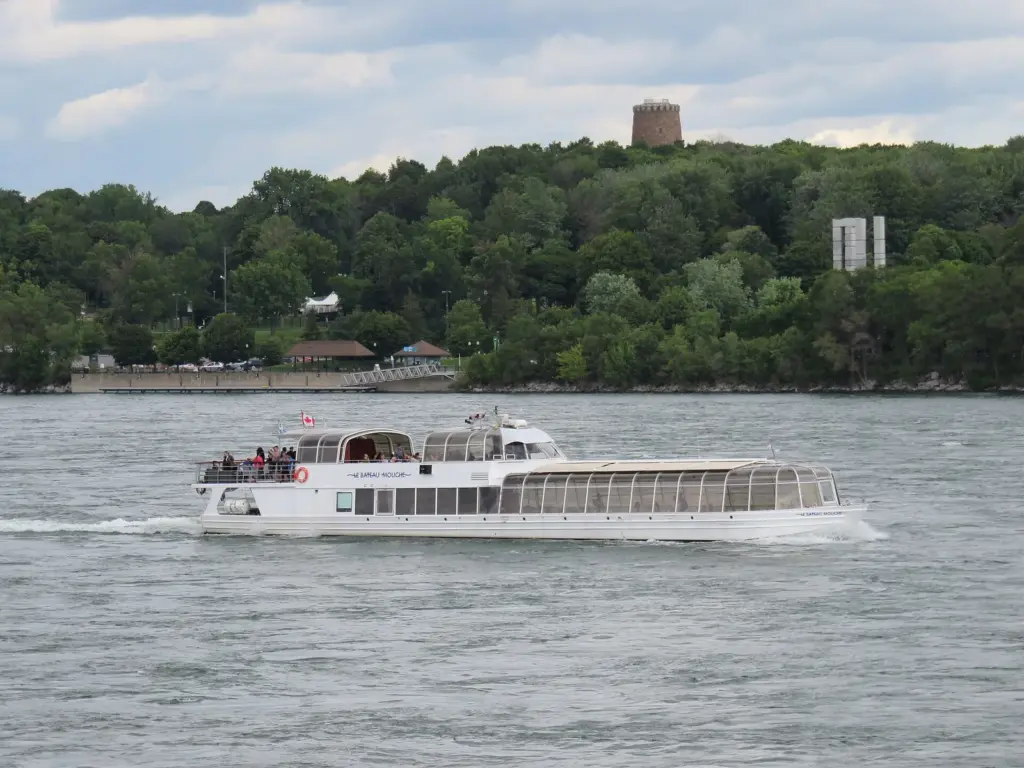
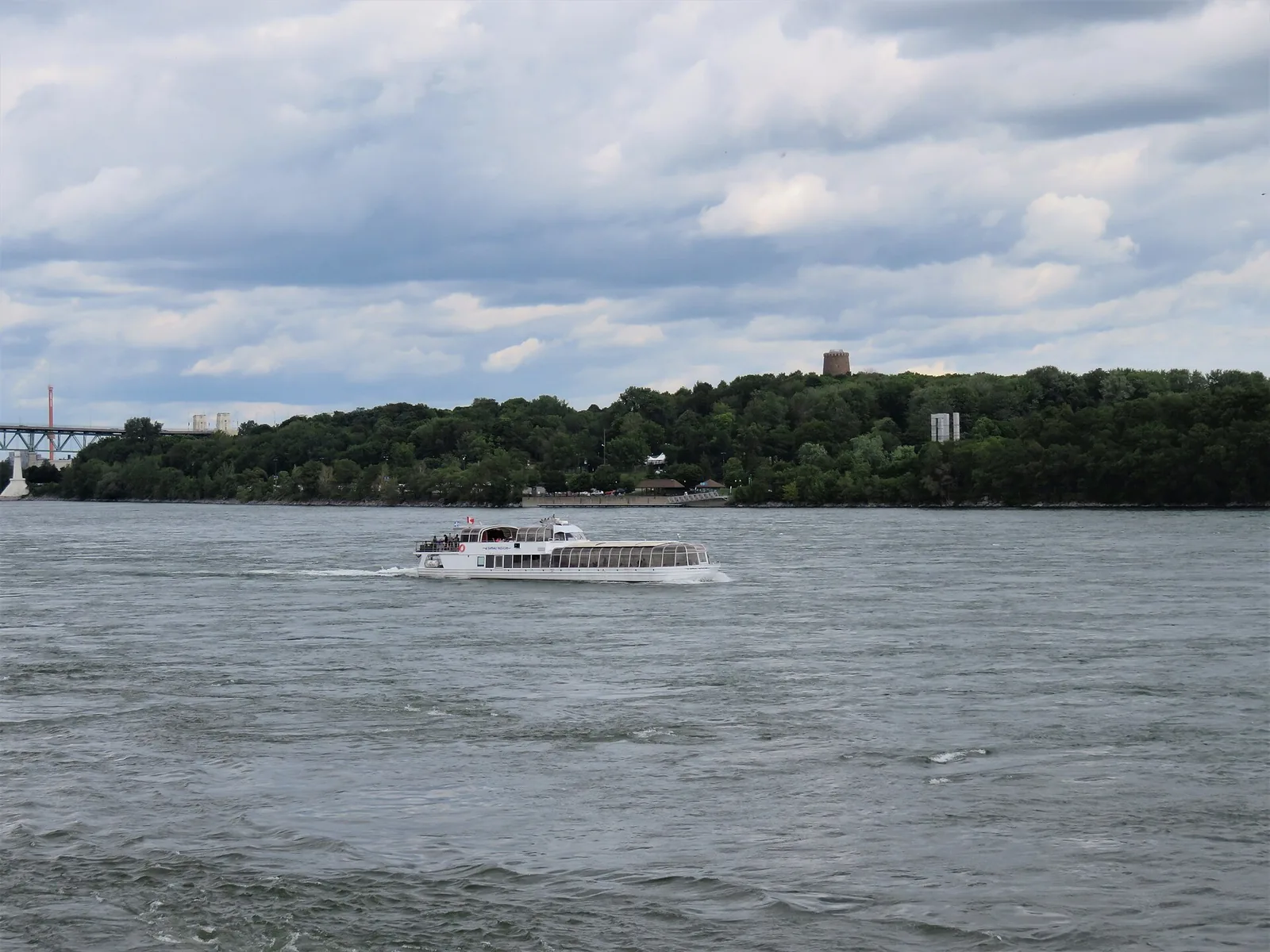
The standard sightseeing cruise lasts about an hour and a half and loops past the Old Port, the islands, Habitat 67 and the Jacques-Cartier Bridge, with commentary. AML and the glass-roofed Bateau-Mouche are the best-known operators. It’s a relaxing break on a sunny afternoon and gives children a rest. Choose a seat on the side facing the city on the way out.
Dinner and evening cruises
Evening cruises with dinner, drinks or dancing sail at sunset, when the city lights come on. The food is rarely the reason to go; the views are. On summer nights with fireworks over the river, evening cruises book up early.
Jet boats and rafting on the Lachine Rapids
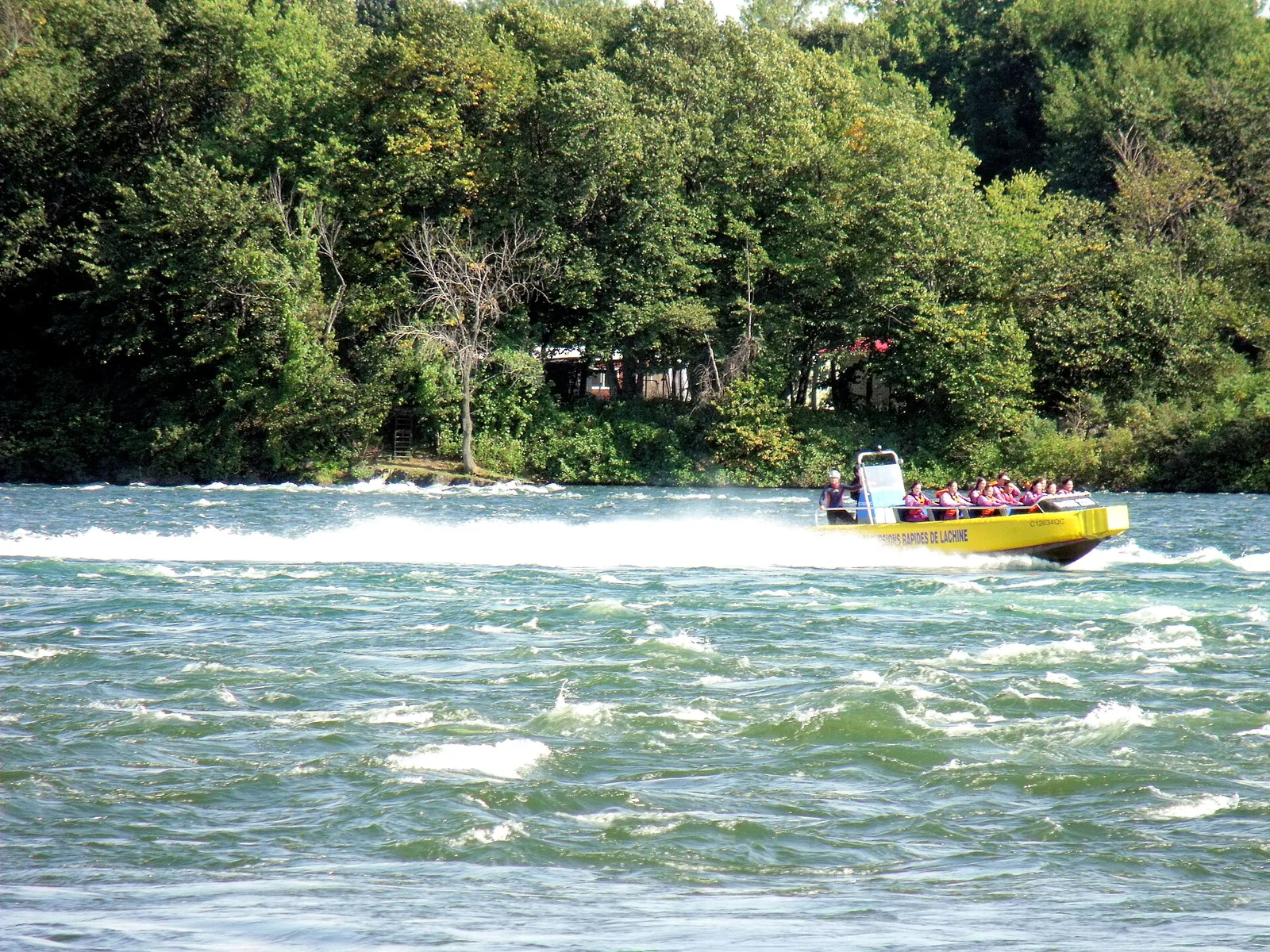
West of the Old Port, the Lachine Rapids are the fierce stretch of the St Lawrence that stopped early French explorers sailing further west. In summer, jet boats leave from the Old Port and roar upstream into the rapids, spinning and plunging through the standing waves until everyone aboard is soaked. Rafting trips run through the same rapids at a slower, wetter pace. It’s one of the most memorable things to do in Montreal. Bring a full change of clothes, leave your phone in a waterproof bag and check the operator’s minimum age for children.
Kayaking the Lachine Canal
For a quieter time on the water, rent a kayak or paddleboard on the Lachine Canal in summer and paddle past old factories and new condos in Griffintown and Saint-Henri. No guide needed.
Bike Tours
Montreal is one of the most bike-friendly cities in North America, with hundreds of kilometres of bike paths, many separated from traffic. A bike tour covers more ground than a walk and gets you to places buses can’t reach.
Guided bike tours
Guided bike tours, typically three to four hours with a bike and helmet included, run from the Old Port and downtown from spring to autumn. Popular routes follow the flat Lachine Canal path to Atwater Market, loop through the Plateau and Mile End, or cross to Parc Jean-Drapeau to ride the Circuit Gilles-Villeneuve, the Formula 1 track, when it’s open to cyclists. Some include a climb up Mount Royal, which is hard work; e-bike tours make it easier.
Do it yourself with BIXI
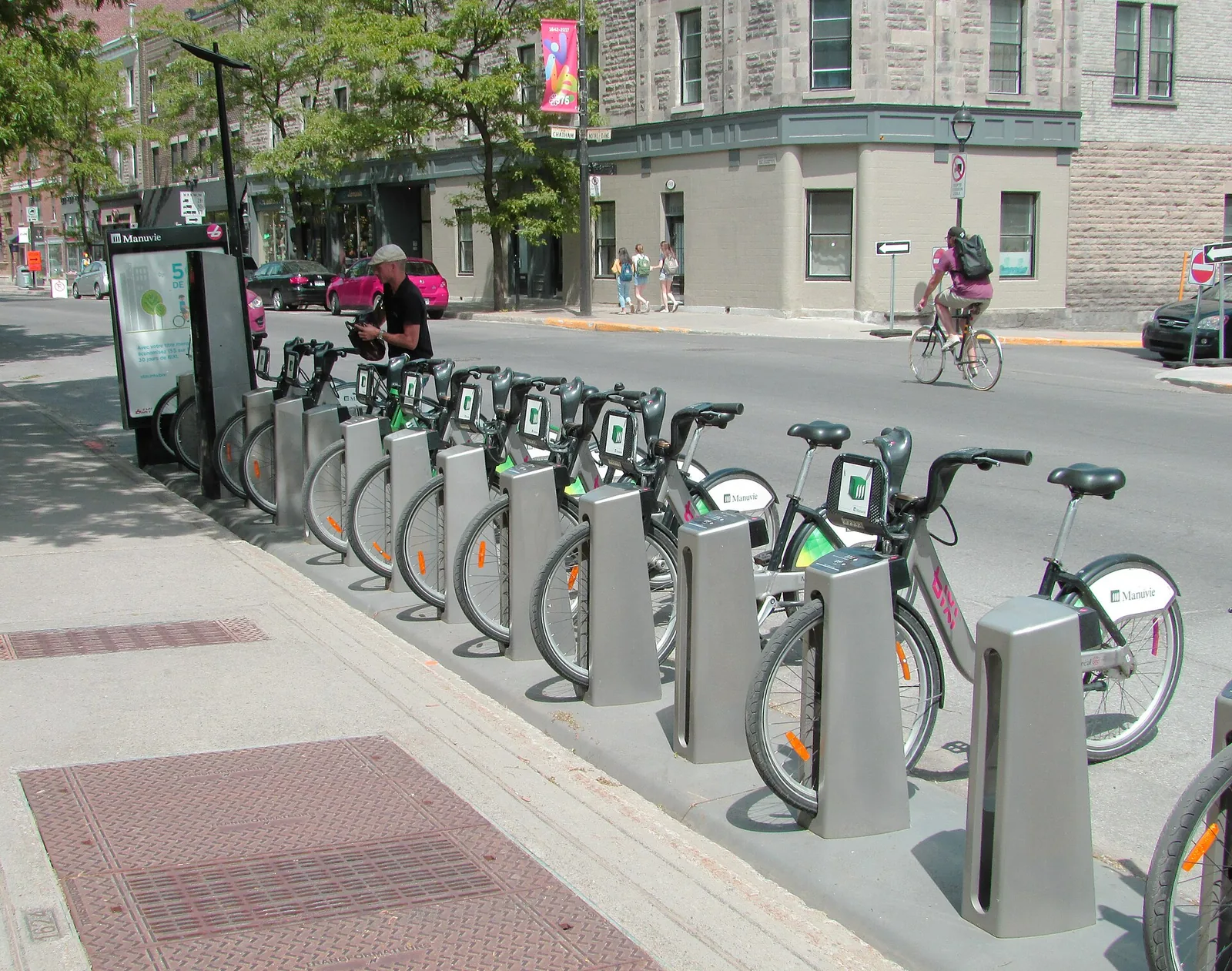
Montreal’s bike-share system, BIXI, has stations all over the central city. There’s no day pass: it costs $1.60 to unlock a bike, then $0.21 a minute for a regular bike or $0.36 a minute for an e-bike, plus tax. The full season runs from 15 April to 15 November, and a reduced winter service with 234 stations and no e-bikes runs from 16 November to 14 April. For a self-guided ride, follow the Lachine Canal from the Old Port, 14.5 km all the way to Lake Saint-Louis. See our guide to getting around Montreal for how BIXI works.
Architecture and Special-Interest Tours
Habitat 67
Moshe Safdie’s Habitat 67, a stack of concrete boxes built as experimental housing for Expo 67, is one of the most famous buildings in Canada. People still live in it, so you can’t just wander in. The official guided tours last 90 minutes and cost $58 including tax. They run on Saturdays from April to November in 2026 and include areas that aren’t otherwise open to visitors. It’s a must for architecture fans and an expensive curiosity for everyone else, who can see the outside for free from the Old Port or the Cité du Havre.
Notre-Dame Basilica and AURA
Notre-Dame Basilica, on Place d’Armes, is Montreal’s greatest church, with a deep blue vaulted ceiling scattered with gold stars and an elaborately carved altarpiece. A daytime visit costs $16 including tax. In the evening, AURA, a sound-and-light show by the Montreal studio Moment Factory, transforms the interior with projection and orchestral music; it costs $37 plus tax, and a package with a basilica tour costs from $45. Daytime tickets are sold on site, but evening tickets are sold only online or by phone, and they sell out, so book ahead.

Olympic Park
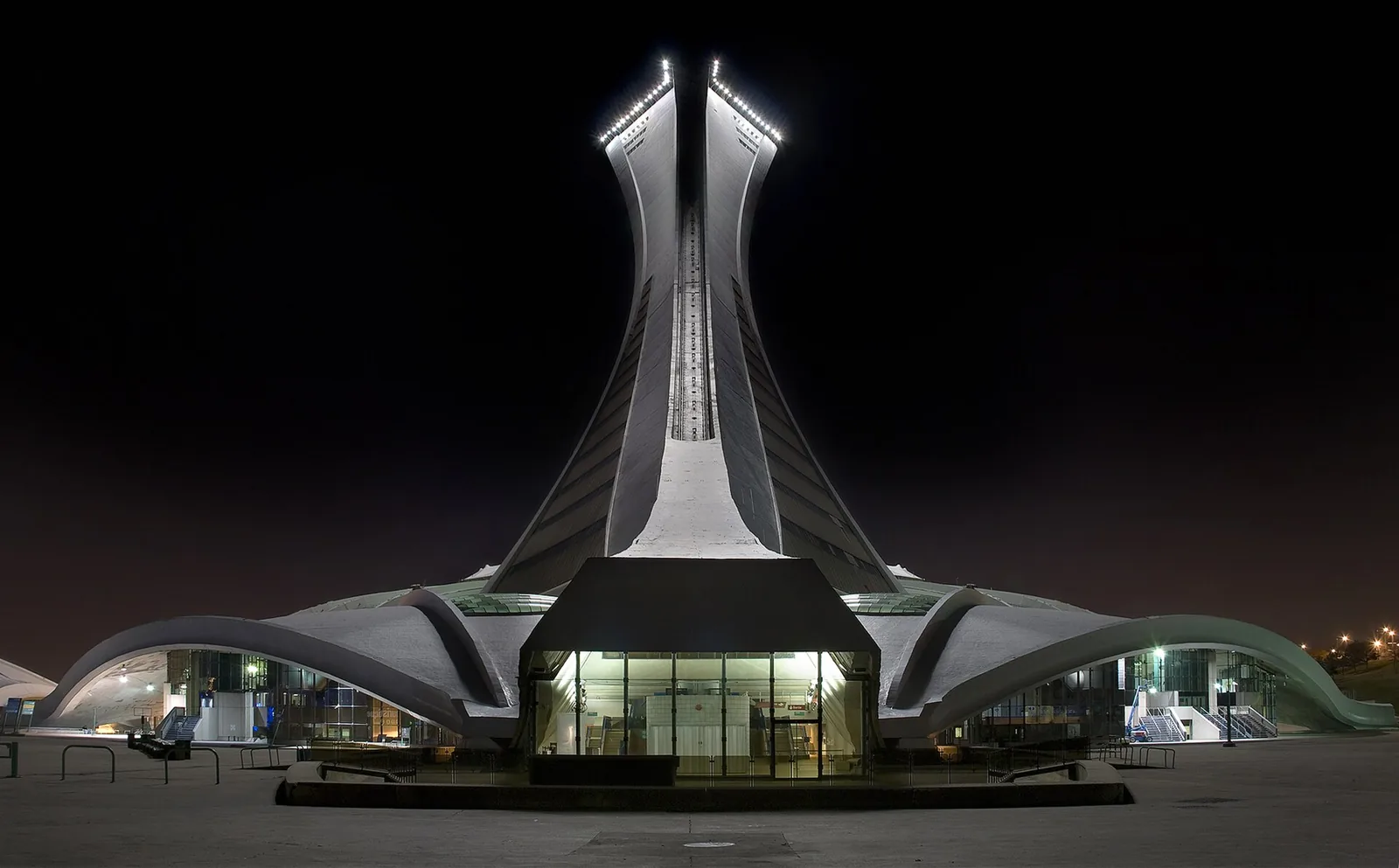
The Olympic Stadium, built for the 1976 Games, is an extraordinary piece of concrete engineering and a monument to one of the most expensive Olympics ever held. Guided tours of the site cost $23.50 and ran until 27 September in 2026, but the stadium itself is closed for works and the Montreal Tower observatory, on the world’s tallest inclined tower, is closed until spring 2027. For now, the best way to experience the area is the Biodôme and the Planetarium next door, which are open. Our guide to Montreal museums has details.
Museum tours
Several museums run their own guided tours. Pointe-à-Callière ($30 for adults aged 31 to 64) takes you through the archaeological remains beneath Old Montreal, and the big museums run guided visits of their temporary exhibitions. These are usually excellent value, since the guides are specialists. Check each museum’s programme when you book.
Mount Royal guided walks
Les amis de la montagne, the non-profit that looks after Mount Royal, runs public programming including guided walks on the mountain’s history and nature. It’s a good way to understand the park Frederick Law Olmsted designed. Our guide to Mount Royal and Montreal’s parks covers the mountain in depth, including the 2026 closures.
Neighbourhood Walks to Do on Your Own
Beyond Old Montreal, the best way to understand the city is to walk its neighbourhoods, and none of these walks needs a guide. Each takes two to three hours at a relaxed pace with stops.
The Plateau and Mile End
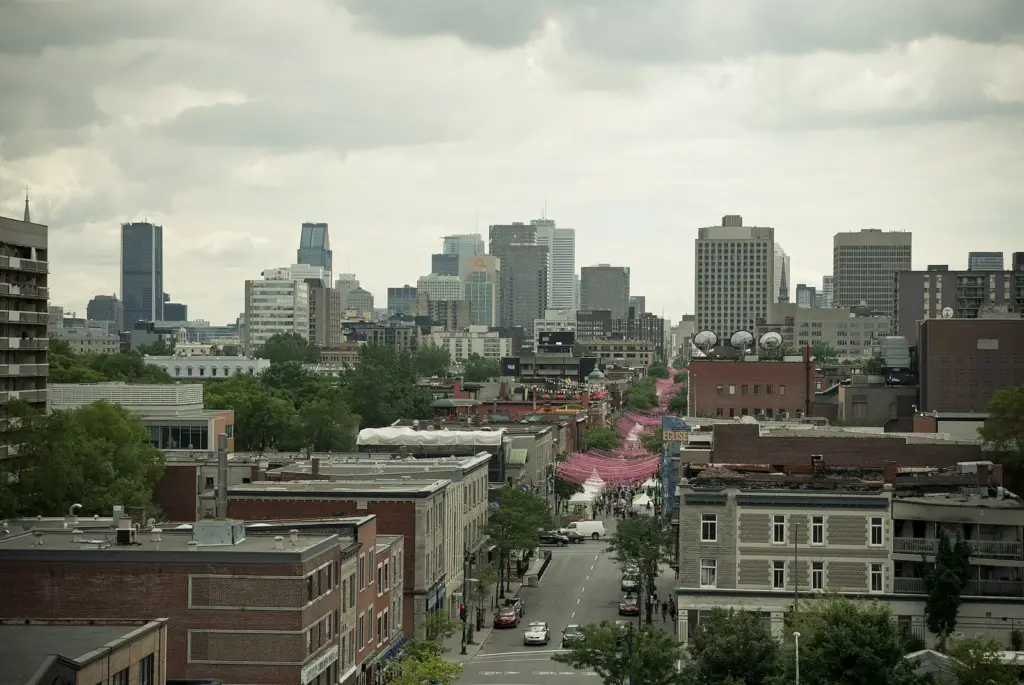
Start at Mont-Royal metro (Orange line) and walk west along avenue du Mont-Royal, past bakeries, cafés and second-hand shops. Turn down any of the side streets to see the Plateau’s famous outdoor staircases, which spiral up the front of the triplexes. Cut through to Parc La Fontaine, then head north-west along boulevard Saint-Laurent into Mile End, where you can end with a warm bagel on rue Saint-Viateur and a coffee in one of the neighbourhood’s cafés. Remember that the Plateau and Mile End are two different neighbourhoods with different characters; our neighbourhood guide explains why.
The Golden Square Mile and McGill
From Peel metro (Green line), walk up rue Peel to rue Sherbrooke, the grand avenue of the Golden Square Mile, where Montreal’s Victorian merchant families built their mansions when the city was Canada’s financial capital. Visit the Montreal Museum of Fine Arts, walk through the McGill University gates and across the campus lawns, and continue up to the foot of Mount Royal. In 2026, remember that works on the mountain’s southwest slope may mean detours on the paths above avenue des Pins.
Little Italy and Jean-Talon Market
Take the Orange or Blue line to Jean-Talon and browse the market’s stalls, then walk south into Little Italy along boulevard Saint-Laurent, with its old-school espresso bars, grocers and the church of Notre-Dame-de-la-Défense. It’s the most delicious of these walks, and at its liveliest on Saturday mornings in summer and autumn.
The Lachine Canal and Saint-Henri
From Lionel-Groulx metro, walk down to Atwater Market, then follow the canal towpath west into Saint-Henri, once a working-class factory district and now one of the city’s best food streets along rue Notre-Dame Ouest. Return by the Orange line from Place-Saint-Henri. This route is just as good on a BIXI.
Montreal Tours Through the Seasons
What’s on offer changes a lot through the year. Many outdoor tours run only from spring to autumn, and winter brings a smaller, different menu.
| Season | Best tours | Not running or limited |
|---|---|---|
| Spring (April–May) | Walking and food tours restart; Habitat 67 tours from April; sugar shack trips into early April | River cruises and jet boats only from later in spring |
| Summer (June–August) | Everything: cruises, jet boats, rafting, bike tours, street art walks, festivals | Tours sell out on festival weekends |
| Autumn (September–October) | Food and market tours at harvest time; Tremblant and Laurentians for the colour; ghost walks | Boat tours wind down; Olympic Park tour ended 27 Sep 2026 |
| Winter (November–March) | AURA, winter city tours, snowshoeing, dog sledding day trips, festival nights | River cruises, jet boats, most bike tours |
Autumn is arguably the best season for tours: the crowds have thinned, the weather is usually good for walking, Jean-Talon Market is full of the harvest and the Laurentians turn red and gold before Montreal does. For month-by-month weather and events, see the best time to visit Montreal, and for what’s on, the Montreal festivals calendar.
Winter Tours
Winter tours are fewer, but some of Montreal’s most memorable experiences happen in the cold. Gray Line lists a 3.5-hour “Winter Magic” city tour, and guided snowshoe outings run in the parks and countryside around the city.
- Snowshoeing on Mount Royal: rent snowshoes at the Beaver Lake pavilion and follow the trails yourself.
- Festival nights: Montréal en Lumière, from 18 to 28 February 2027, fills downtown with light installations, and Nuit blanche on 27 February 2027 keeps museums and galleries open all night.
- Christmas market: the Grand Marché de Noël at Place des Festivals runs from 13 November 2026 to 3 January 2027, with free entry.
- Dog sledding and ice fishing: day tours from Montreal head to the Laurentians and other regions for classic Quebec winter activities.
For what to wear and what else to do, see Montreal in winter.
Day Tours from Montreal
Organised day tours are a good option if you don’t want to drive, but for some destinations the train or a shuttle is cheaper and gives you more time on the ground.
Quebec City and Montmorency Falls
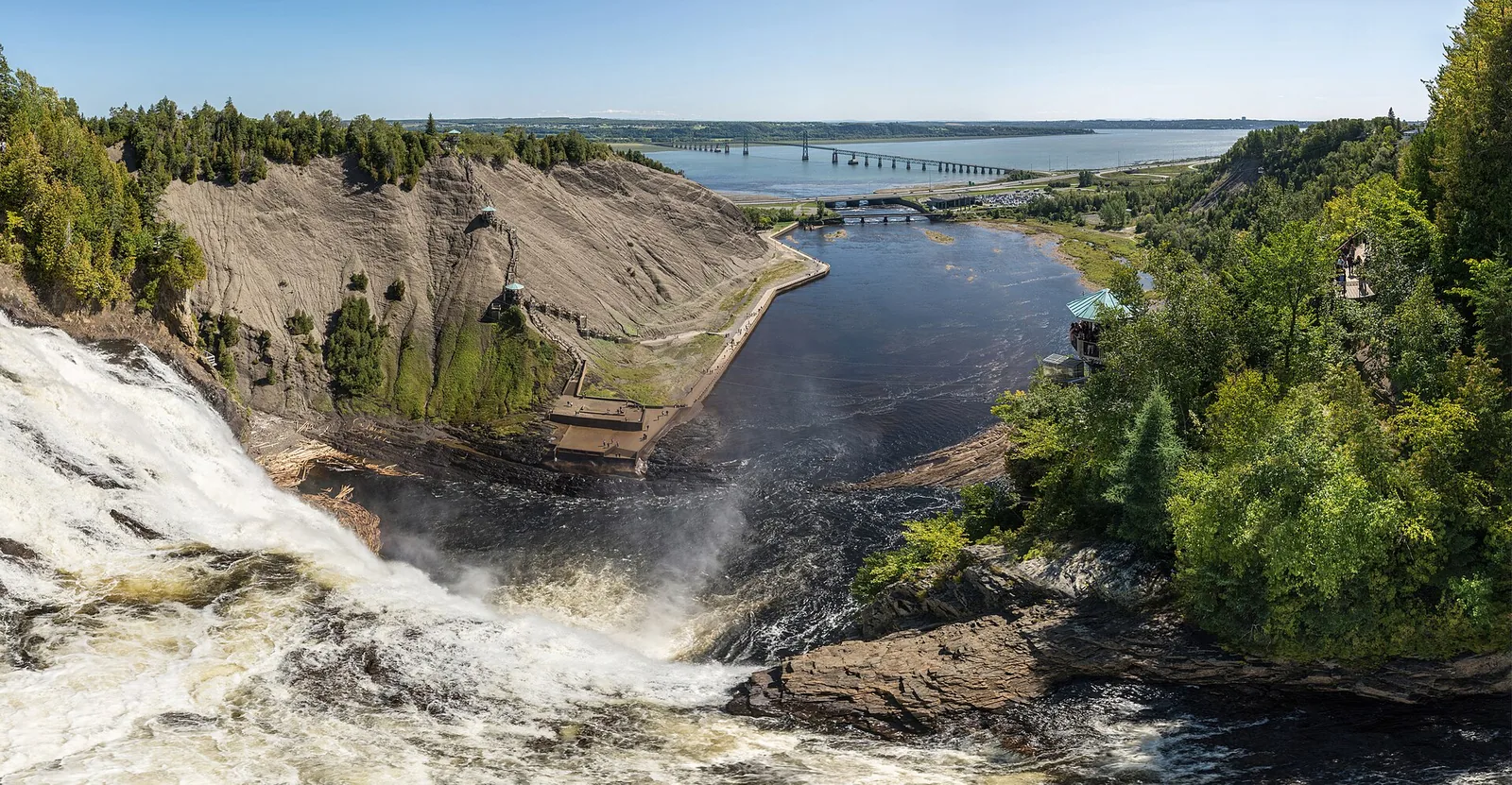
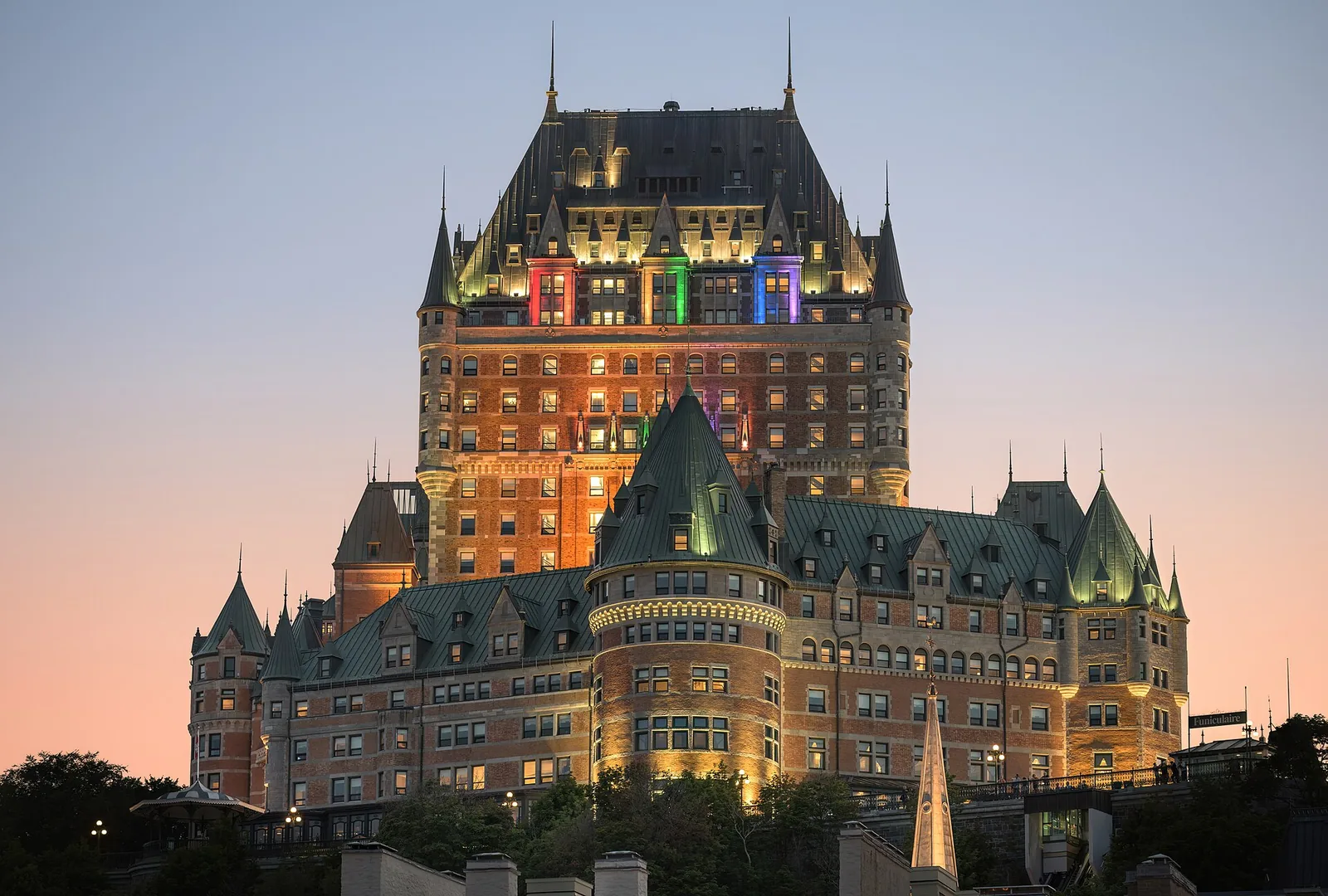
Coach tours to Quebec City typically last about 12 hours and combine a guided walk through the old walled city with a stop at Montmorency Falls, which are higher than Niagara. It’s a long day, with around six hours on the bus.
The alternative is the train: VIA Rail from Gare Centrale takes about 3 hours 26 minutes on average, with 34 departures a week, and drops you in the Lower Town. You’ll have more time in Quebec City itself, but you won’t get to the falls without a taxi or a local bus. Our advice: if you can spare the time, go by train and stay overnight. Quebec City deserves more than a few hours.
Mont-Tremblant and the Laurentians
Full-day tours to Mont-Tremblant, about 90 minutes north of Montreal by car, take you to the pedestrian village at the foot of the ski mountain, with time to ride the gondola or walk around the lake. In summer and autumn, the resort’s own Getaway Shuttle from Montreal, which runs until 11 October in 2026, is a cheaper way to get there if you don’t need a guide. Autumn colour in the Laurentians usually peaks before Montreal’s, which turns around mid-October.
Ottawa
Canada’s capital is an easy day trip by train: VIA Rail takes about 2 hours 4 minutes on average, with 35 departures a week. You don’t need a tour: from Ottawa’s station, the O-Train takes you downtown to Parliament Hill, the museums and the Rideau Canal.
The Eastern Townships
Wine tours to the Eastern Townships visit vineyards and cider houses around villages like Dunham and Frelighsburg, south-east of Montreal. With a tour, nobody has to drive after the tastings, which is the main argument for booking one.
For more day trips, including those best done by car, see our full guide to day trips from Montreal.
Guided or DIY? An Honest Comparison
You don’t need a guide to enjoy Montreal. Here’s what the main experiences cost if you do them yourself, as of September 2026.
| Experience | With a tour | On your own | Our verdict |
|---|---|---|---|
| Old Montreal history | Guided walk, 2 hours | Free to walk; Basilica $16, Pointe-à-Callière $30 | Guide on day one, then DIY |
| Food | Tastings included | Pay as you go at bakeries, delis and the market | Tour if you like the stories |
| City overview | Hop-on hop-off bus | 24-hour metro pass, $11.25 | DIY unless mobility is an issue |
| Cycling | Bike and guide included | BIXI, $1.60 plus $0.21 a minute | DIY on the Lachine Canal |
| Quebec City | 12-hour coach tour | VIA Rail, about 3.5 hours each way | Train, and stay overnight |
| Tremblant | Full-day coach tour | Getaway Shuttle (to 11 Oct 2026) or car | Shuttle in season |
| Rapids | Jet boat or rafting | Not possible | Book the tour |
How to Choose Montreal Tours That Are Worth It
- Group size: the smaller the better, especially for walking and food tours. Ask the maximum before you book.
- Language: many tours run separately in English and French. Make sure you book the right one.
- Recent reviews: look for reviews from the last year, which reflect the current guides and route.
- What’s included: check whether museum admission, tastings, bikes and transport are included, and whether prices include tax.
- Cancellation policy: Montreal’s weather changes fast. Free cancellation up to 24 hours before is worth a lot.
- Meeting point: confirm the exact address and the nearest metro station the day before.
- Accessibility: Old Montreal’s cobbles and Mount Royal’s stairs are hard going; ask about the route if walking is difficult.
- Anything claiming calèche rides, the Montreal Tower view or Au Sommet in 2026: the operator hasn’t updated its listing. Book elsewhere.
Tours for Different Kinds of Travellers
Older travellers and limited mobility
Old Montreal’s cobbles, the stairs up Mount Royal and the long metro escalators can be hard going. River cruises and bus tours are the easiest options, and museum tours at Pointe-à-Callière and the Montreal Museum of Fine Arts are mostly step-free with elevators. When booking a walking tour, ask about the route and how much standing is involved. A taxi between sights often makes more sense than trying to use the metro, since only some stations have elevators.
Solo travellers
Tours are a good way to meet people. Food tours and tip-based walking tours attract plenty of solo travellers, and a bike tour gives you company for the afternoon. Many operators have no single supplement for day tours.
French speakers and francophiles
Montreal is a majority French-speaking city, and many tours run in French. Booking a French-language tour is a good way to practise, and guides often go deeper into Quebec’s history and identity. You don’t need French for any tour in this guide; visitors aren’t required to speak it, and English-language tours are easy to find.
Where to base yourself
Most walking, food and river tours meet in Old Montreal, the Old Port or the Plateau, and most coach day tours pick up downtown. A hotel in either area puts you close to meeting points; see where to stay in Montreal for the options.
Tipping Tour Guides
Tipping works much as it does in the US. For a good guided walking, food or bike tour, a tip of around 15 to 20% of the ticket price is customary; for tip-based “free” tours, pay what the tour was worth to you. Bus drivers on day tours are usually tipped a few dollars per person at the end of the day. Remember that the listed price of many tours doesn’t include sales tax, which is added at checkout.
A Three-Day Montreal Plan With Tours
Day 1: Old Montreal
Take a guided walking tour of Old Montreal in the morning. After lunch, visit Pointe-à-Callière, then take a river cruise from the Old Port in the late afternoon. In the evening, see AURA at Notre-Dame Basilica (book the evening show online).
Day 2: Food and neighbourhoods
Join a food tour of Mile End and Jean-Talon Market in the late morning. In the afternoon, walk through the Plateau and climb Mount Royal for the view. Spend the evening in the Plateau; our Montreal nightlife guide has ideas.
Day 3: Active Montreal
Take a bike tour along the Lachine Canal, or rent a BIXI and ride it yourself, stopping at Atwater Market for lunch. In summer, finish the afternoon with a jet boat ride through the Lachine Rapids. If the weather turns, swap the bike for the Montreal Museum of Fine Arts.
For a longer plan, see our Montreal itinerary, and for ideas on what to see between tours, the list of things to do in Montreal. Travelling with children? Our guide to Montreal with kids picks the tours families enjoy most.
Frequently Asked Questions
What is the best tour in Montreal?
For most first-time visitors, a guided walking tour of Old Montreal is the best introduction, because it explains the history you’ll see all week. Food lovers should book a Mile End and Jean-Talon Market food tour. For a memorable experience, take a summer jet boat ride through the Lachine Rapids, and in the evening see AURA inside Notre-Dame Basilica ($37 plus tax).
Are hop-on hop-off buses worth it in Montreal?
Usually not for able-bodied visitors, because the metro is quick and a 24-hour pass costs $11.25, and Old Montreal and the Plateau are best explored on foot. A hop-on hop-off bus makes sense for travellers with limited mobility, families with small children or a short stopover, since it reaches Saint Joseph’s Oratory and Olympic Park easily.
Can you still take a horse-drawn carriage ride in Old Montreal?
No. Montreal banned horse-drawn calèches, with the ban taking effect on 1 January 2020, and the carriages no longer operate. Some old guidebooks and websites still describe calèche rides through Old Montreal, but they’re out of date. To see the old city at a gentle pace, take a guided walking tour, a ghost walk after dark or a river cruise.
How much does a Habitat 67 tour cost?
The official guided tour of Habitat 67 costs $58 including tax and lasts 90 minutes. In 2026 tours run on Saturdays from April to November. Because Habitat 67 is a residential building, a tour is the only way to go inside. You can see the exterior for free from the Old Port or the Cité du Havre.
Is a day tour to Quebec City from Montreal worth it?
It’s worth it if you can’t stay overnight. Coach tours last about 12 hours and usually include Montmorency Falls, but around six of those hours are on the bus. VIA Rail takes about 3 hours 26 minutes each way from Gare Centrale and gives you more time in the city. Ideally, stay at least one night.
What Montreal tours run in winter?
Winter options include city bus tours, guided snowshoe outings on Mount Royal, dog sledding day trips to the Laurentians and Nordic spa visits. Montréal en Lumière runs from 18 to 28 February 2027, and AURA at Notre-Dame Basilica runs all year. River cruises, jet boats and most bike tours stop for the season.
Is the Olympic Park tour open?
The Olympic Park guided tour ($23.50) ran until 27 September in 2026, and the stadium is closed for works. The Montreal Tower observatory is closed until spring 2027. The Biodôme and Planetarium next door are open, at $25.50 each for adults. Check the Olympic Park’s site for next season’s tour dates.