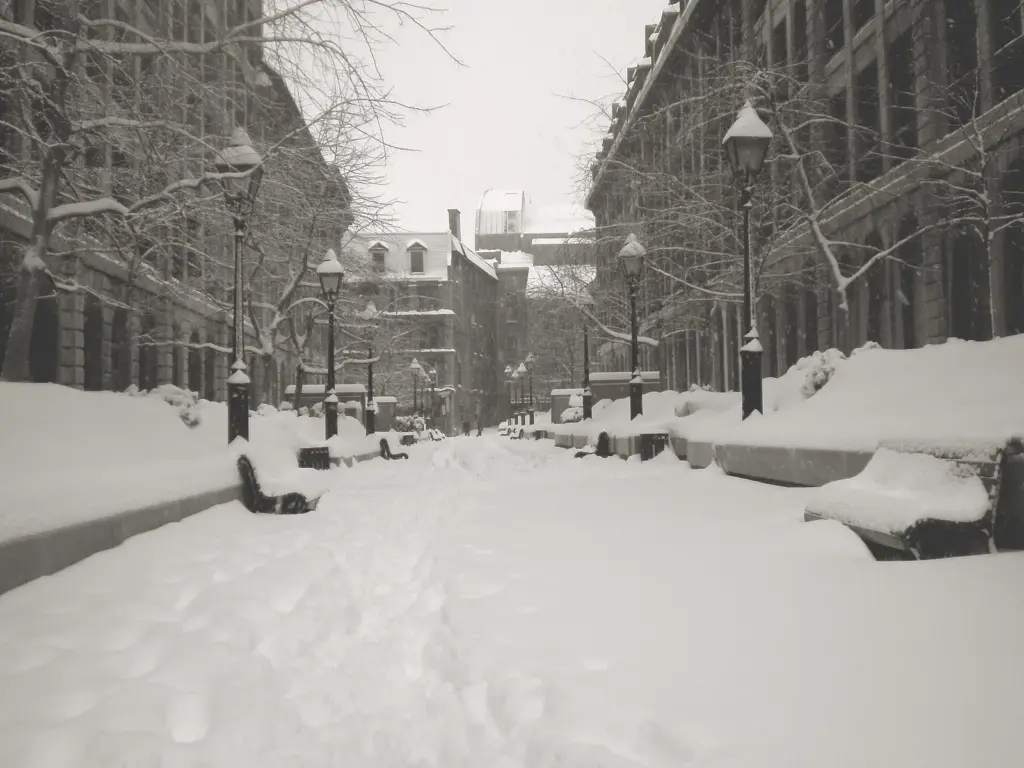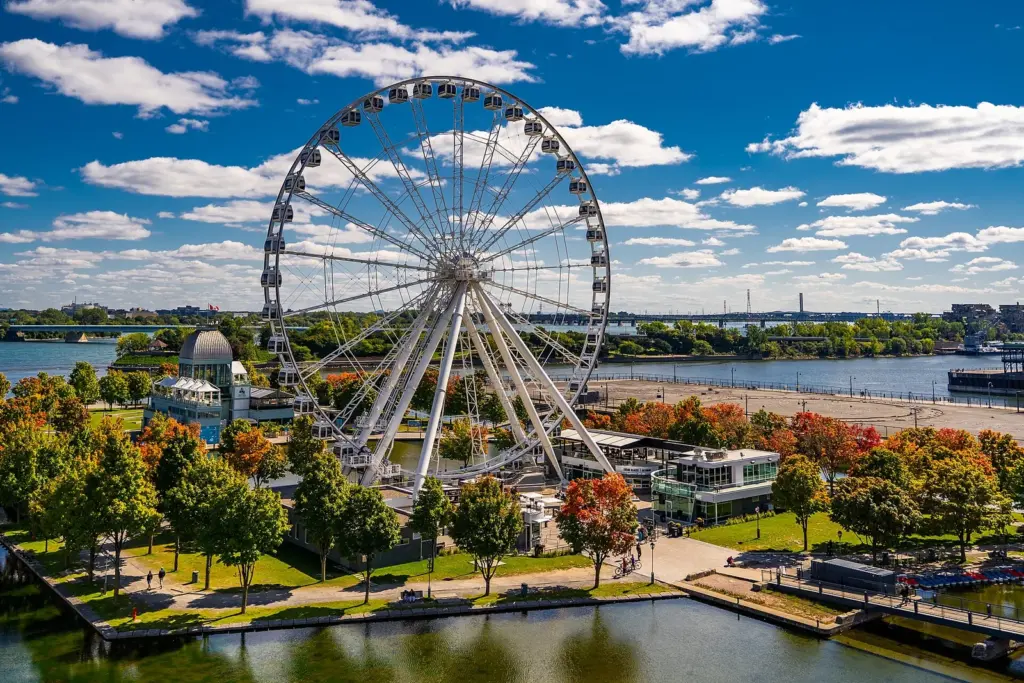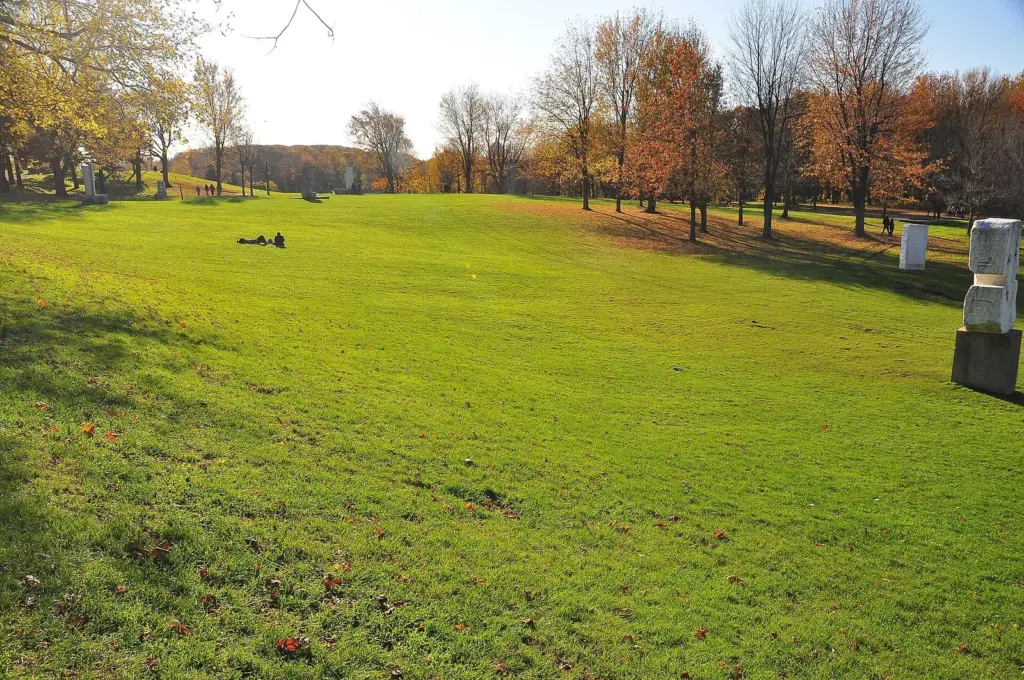
The best time to visit Montreal, for most people, is September to mid-October. The days are still warm, the terrasses are still open, the summer festival crowds have gone home, and by the middle of October the maples on Mount Royal are at their brightest. If you want the city at full volume, come between late June and early August for the festivals, and accept that you’ll pay peak prices for it. If you want snow, skating and the lowest hotel rates, come in January or February and pack properly. The months to think twice about are late March and April, when the snow melts into grey slush and the trees are still bare.
Montreal has four seasons in the fullest sense. Summers are hot and humid, winters are properly cold (January averages about −9 °C), and the city’s personality changes completely between them. Below is every month in turn, with the confirmed 2026–27 dates of what’s on, when hotels are cheapest, which season suits which kind of trip, and the handful of dates that change the whole city. For what to actually do once you’re here, our guide to the best things to do in Montreal marks what works in each season.
The Short Answer: The Best Time to Visit Montreal
- Best overall: September. Warm, lively, uncrowded, with the terrasses open and hotel prices easing off after August.
- Best for fall colour: mid-October. The city is usually the last part of Quebec to turn, because the urban heat island delays it.
- Best for festivals: late June to early August — Jazz Festival, Just for Laughs, Osheaga and Pride in quick succession.
- Best for winter: mid-January to late February, for reliable snow, skating, Igloofest and Montréal en Lumière.
- Cheapest: January to March outside festival weekends, plus November and April.
- Worst value: the Grand Prix weekend (now in late May) and the peak festival weeks, when hotel rates jump and rooms sell out.
- Most likely to disappoint: late March to April, when winter is over but spring hasn’t arrived.
Montreal’s Seasons at a Glance
| Season | Months | Weather | Crowds and prices | Highlights | Downsides |
|---|---|---|---|---|---|
| Winter | Mid-Nov to mid-Mar | Cold and snowy; January averages about −9 °C | Lowest, except festival weekends | Skating, Igloofest, Montréal en Lumière, hockey, spas | Short days, windchill, icy sidewalks |
| Spring | Late Mar to May | Thaw, slush and rain, then suddenly warm in May | Low until the Grand Prix in late May | Sugar shacks (Mar–early Apr), terrasses return in May | Mud season in April; bare trees |
| Summer | June to August | Warm to hot, often humid; thunderstorms | Highest of the year | Jazz Fest, Just for Laughs, Osheaga, Pride, beaches, terrasses | Crowds, prices, road construction |
| Autumn | September to mid-Nov | Warm September, crisp October, grey November | Busy in Sep–Oct, dropping in Nov | Fall colour mid-Oct, Gardens of Light, harvest at the markets | November turns cold and damp |
Best Time to Visit Montreal by Month
Where an organiser has announced its 2026–27 dates, they’re given below. Where it hasn’t, the text says so. Dates for recurring events shift every year, so don’t trust a site that repeats last year’s dates as if they were this year’s.
January
The coldest month, averaging about −9 °C, with windchill that can make it feel much colder. It is also bright, dry and, for people who like winter, wonderful. Beaver Lake on Mount Royal has a refrigerated outdoor rink, and the Beaver Lake Pavilion rents skates, cross-country skis, snowshoes and snow tubes. The city’s natural rinks are frozen, and Parc La Fontaine’s pond is the prettiest of them.
The big event is Igloofest, an outdoor electronic music festival on the Old Port quays, where thousands dance at night in snowsuits. It runs over several weekends into early February. The 2026 edition ran from 15 January to 7 February; the festival’s site gives 14 January to 6 February for 2027. The Fête des neiges fills Parc Jean-Drapeau with family snow activities on January weekends. Hotels are among the cheapest of the year. Our Montreal winter guide covers what to wear and how the underground network actually works.
February
Still very cold, still snowy, but with longer days and the best festival of the winter. Montréal en Lumière runs from 18 to 28 February 2027. It combines a free outdoor site of light installations in the Quartier des Spectacles with a food programme in restaurants across the city. Its climax is Nuit blanche on Saturday 27 February 2027, an all-night arts crawl through galleries, museums and public spaces.
If you want one winter trip, make it the middle two weeks of February: snow on the ground, rinks frozen, Igloofest’s last weekends often overlapping with the start of Montréal en Lumière, and hotel prices low except on the festival’s own weekends. Book those weekends early.
March
Winter loosens its grip. The first half of March can still be properly cold and snowy, the second half is a cycle of thaw and refreeze, and by the end of the month the snowbanks are grey and shrinking. It isn’t pretty, but it’s cheap, and it has one great reason to come: sugar shack season. From roughly March into early April, the cabanes à sucre in the countryside around Montreal open for enormous maple-soaked meals, finishing with maple taffy poured on snow. Most need a car or a tour, and weekends book up.
Pack for both seasons: waterproof boots for the slush, a warm coat for the cold snaps, and layers for the surprisingly mild afternoons.
April
Locals half-jokingly call this mud season. The snow disappears, revealing a winter’s worth of gravel and litter; the trees stay bare until late in the month; and the weather swings between cold rain and the first warm day, when everyone rushes outside in a T-shirt. It is the cheapest and least crowded time of the year, and it’s fine for a museum-and-restaurant city break. Just don’t expect the Montreal of postcards.
A few things restart. The full BIXI bike-share season begins on 15 April, and Habitat 67’s guided tours start again in April. Sugar shack season usually runs into early April.
May
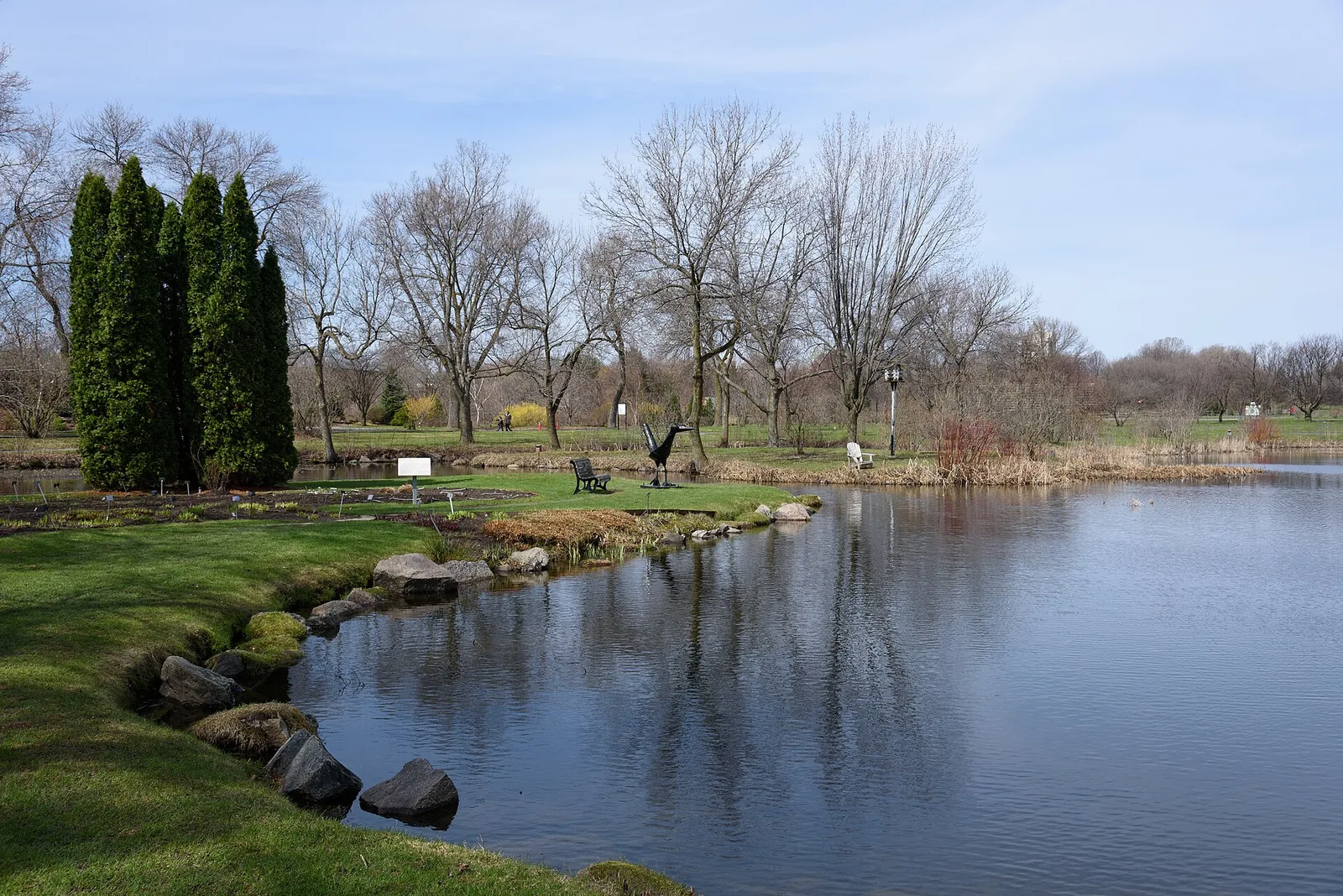
Montreal wakes up. The leaves arrive, the terrasses (restaurant and bar patios) come back out, and the season for sitting outside runs from now until October. The tam-tams, a free drum circle at the foot of Mount Royal on Sunday afternoons, restart for the summer. Jean-Talon Market in Little Italy fills out towards its peak of around 150 vendors. Late May is arguably the best-value time to see the city green before summer prices hit.
The catch is the Canadian Grand Prix, which moved from June to late May starting in 2026 (it ran from 22 to 24 May that year). The 2027 race runs from 21 to 23 May. Race weekend brings the city’s highest hotel prices of the year, so either book very early or avoid it altogether.
June
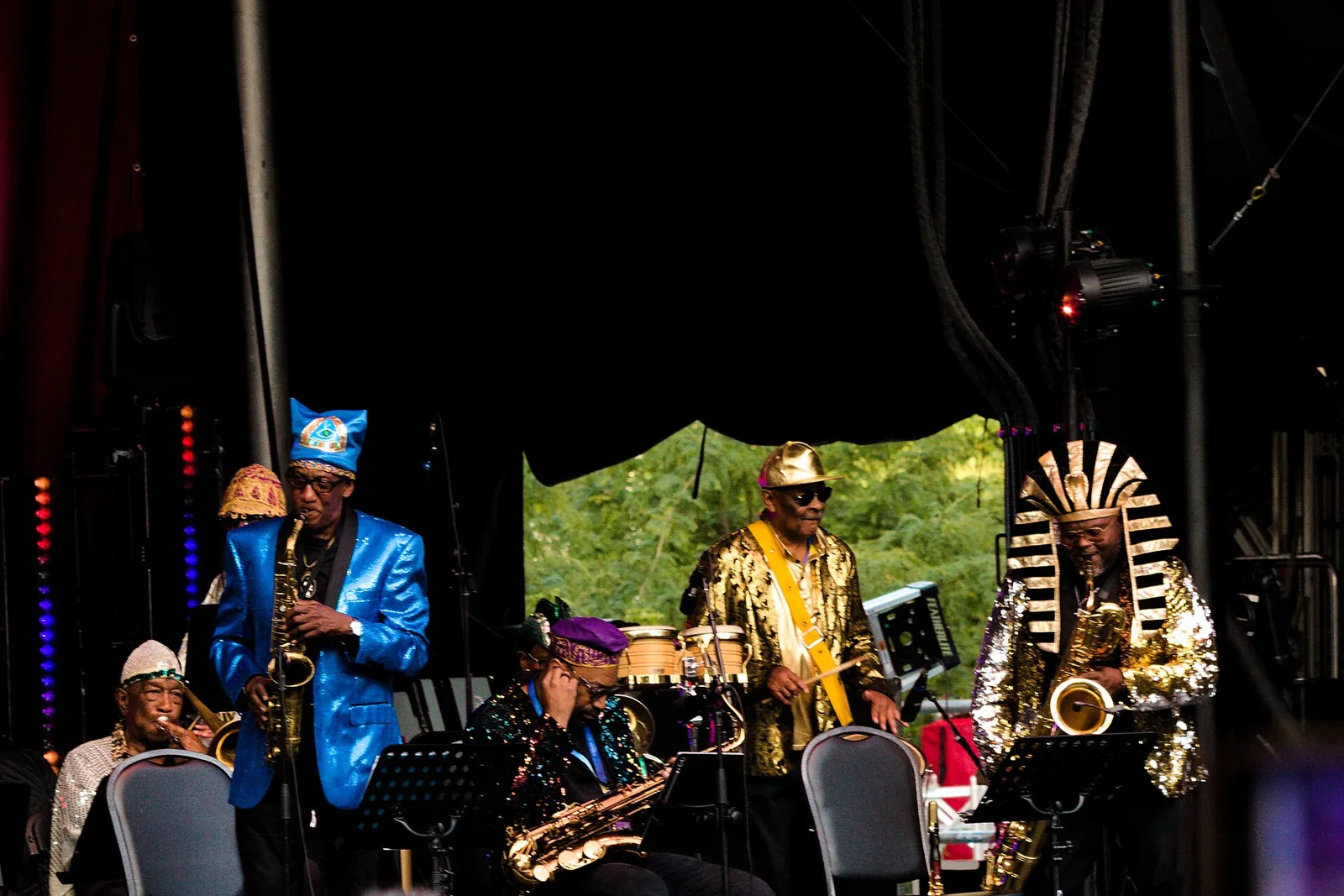
Summer proper. Warm, long evenings, everything open, and the festival season beginning. The Francos de Montréal, a festival of French-language music, takes place in June. The Montreal International Jazz Festival, which holds the Guinness record as the largest jazz festival in the world, starts in late June; in 2026 it ran from 25 June to 4 July, and hundreds of its shows are free on outdoor stages in the Quartier des Spectacles.
24 June is the Fête nationale du Québec (Saint-Jean-Baptiste Day), the province’s national holiday, with big outdoor concerts, blue-and-white flags everywhere, and many shops closed. The city’s beach on Île Notre-Dame, Plage Jean-Doré, opened on 20 June for the 2026 season.
July
The hottest, busiest, most festive month. It opens with a date unique to Quebec: 1 July is Moving Day. Most residential leases in the province end on the same day, so tens of thousands of households move at once, filling the streets with trucks and sidewalks with discarded furniture. It happens to be Canada Day too, but in Montreal the moving vans get more attention than the flags. If you’re driving or renting a van that weekend, expect chaos.
Just for Laughs, the world’s biggest comedy festival, took over the city from 14 to 26 July in 2026. The Jazz Festival spills into the first days of July. The city is at its liveliest, but also its most expensive, and the humidity can make midday walking hard work. Plan outdoor sightseeing for mornings and evenings.
August
Summer continues, but the tone shifts towards the end of the month. Osheaga, the big music festival at Parc Jean-Drapeau, ran from 31 July to 2 August in 2026. Fierté Montréal, the largest Pride in the French-speaking world, ran from 31 July to 9 August, with the parade on Sunday 9 August. Hotel rates stay high through the first half of the month.
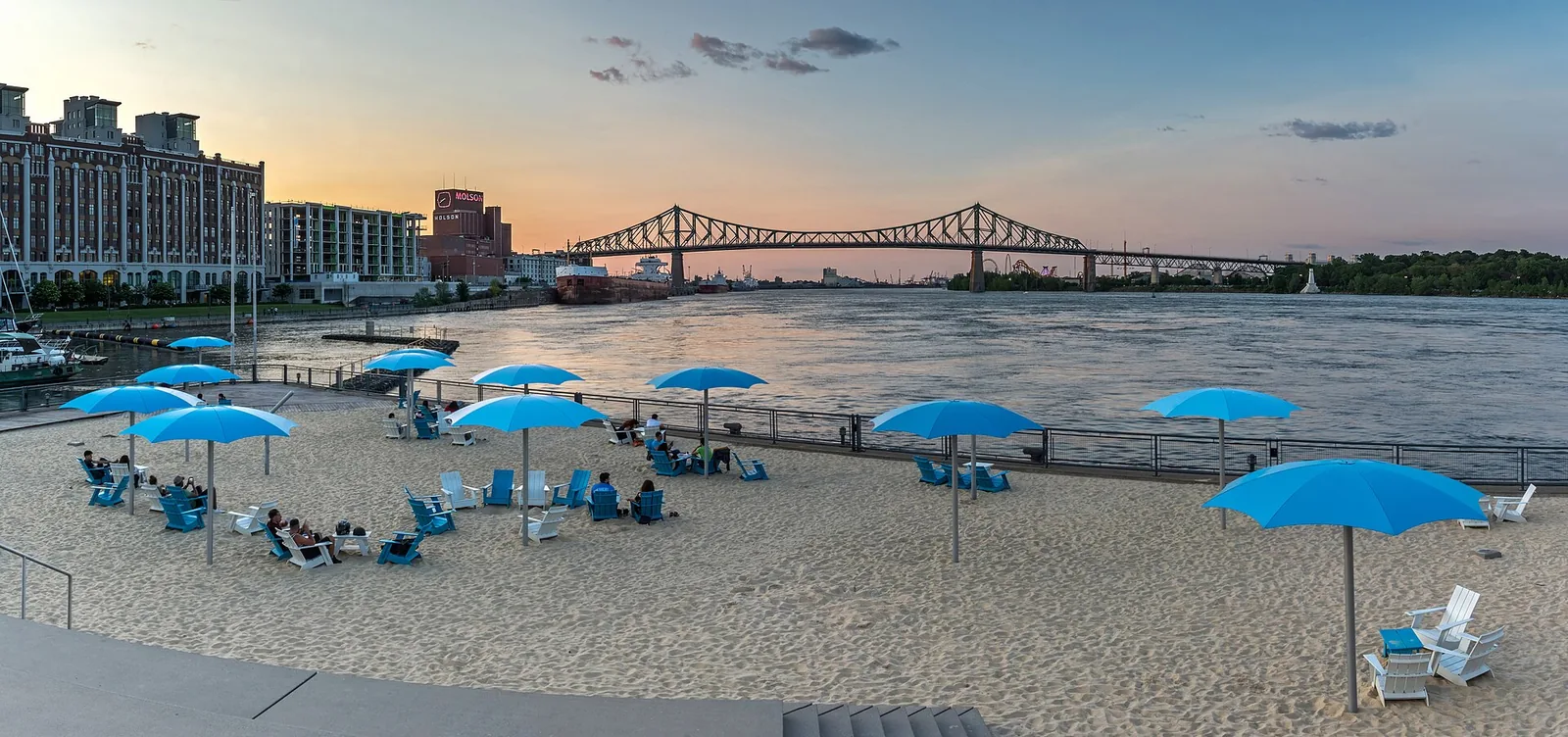
From mid-August, the festival crowds thin, the evenings cool a little, and the markets fill with Quebec corn, tomatoes and berries. Summer-only services wind down after Labour Day (the first Monday in September): in 2026, both Plage Jean-Doré and the river shuttle between the Old Port and Île Sainte-Hélène closed on 7 September.
September
If we had to pick one month, this is it. The weather is warm but no longer oppressive, the students are back so the city feels lived-in, the terrasses are full, and hotels have eased off from summer peaks. The tam-tams continue on Sunday afternoons through September. POP Montreal, the independent music festival, usually takes place in late September. Gardens of Light, the evening lantern show at the Botanical Garden, runs from 3 September to 1 November 2026, with timed tickets that include daytime entry to the garden.
A few things end this month. The Olympic Park guided tour runs only until 27 September in 2026, and the Montreal Tower observatory is closed until spring 2027, so don’t plan around it this year.
October
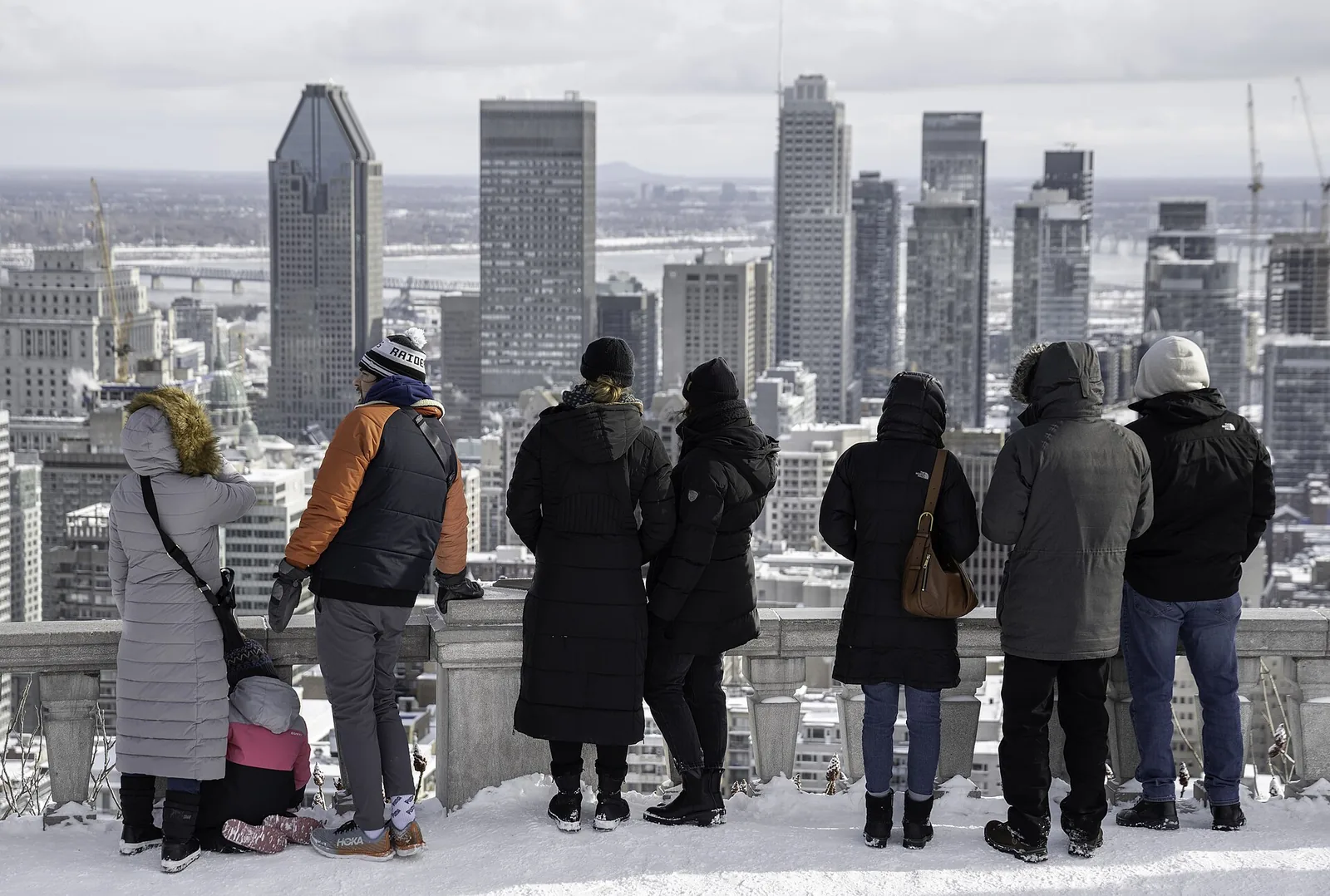
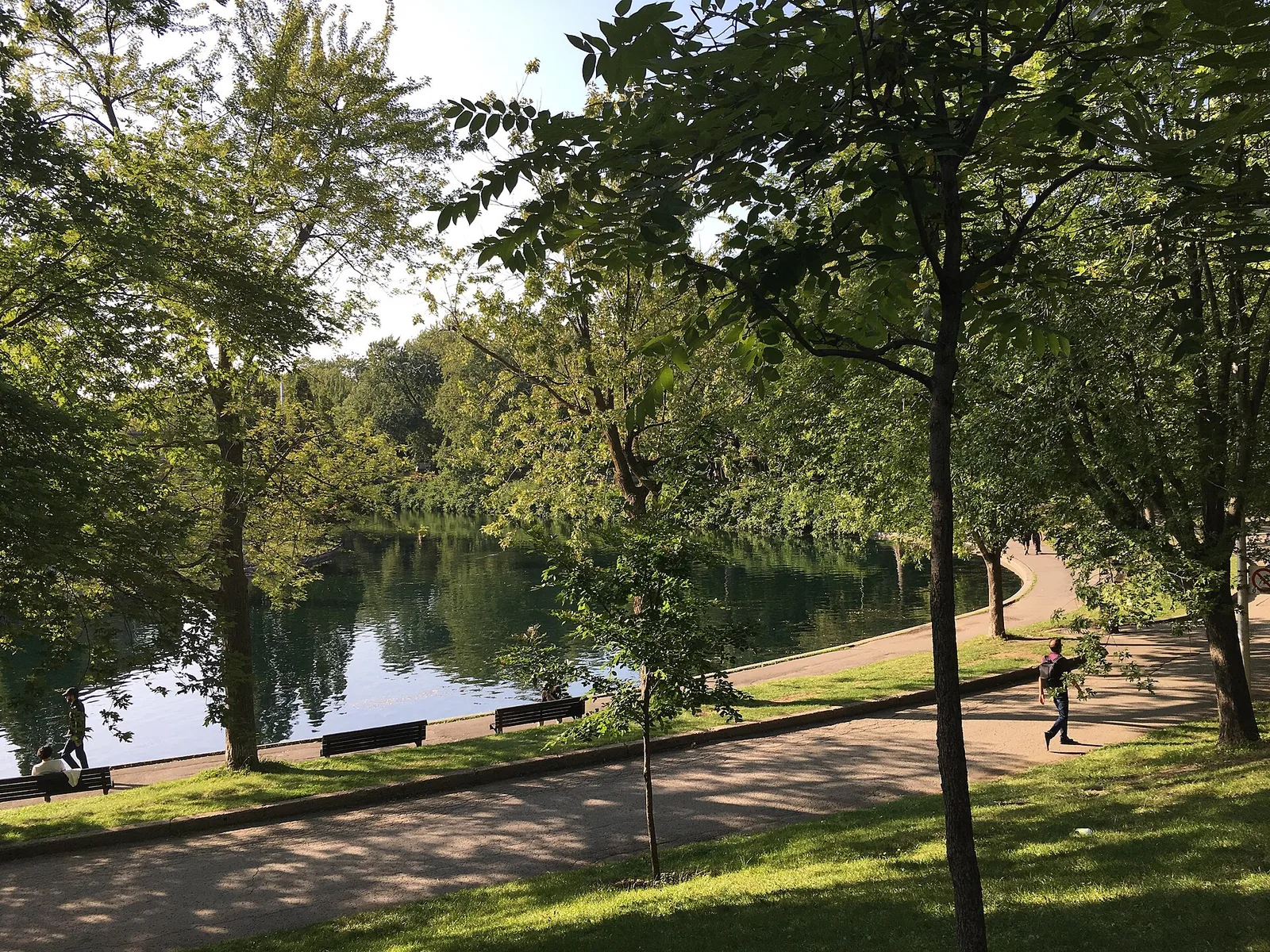
The colour month. Fall foliage peaks in the city around mid-October, later than the rest of Quebec because Montreal’s urban heat island delays the change. Mount Royal turns red, orange and gold, and the view from the Kondiaronk Belvedere across a copper-coloured mountainside to downtown is the classic autumn shot. Canadian Thanksgiving falls on the second Monday of October, making it a long weekend and a busy one.
Hockey season starts. The Canadiens’ 2026–27 home opener at the Bell Centre is on Tuesday 6 October 2026 against Carolina. La Ronde runs its Fright Fest on weekends from 3 October to 1 November. Jean-Talon Market moves indoors for the winter from October, and the terrasses fold up by the end of the month. Pack a warm layer: the evenings turn cold quickly.

November
The quiet month. The leaves are gone, the skies are grey, the first snow may fall, and winter proper begins around mid-month. It’s a good month for a cheap city break built around museums, restaurants and hockey, and a bad one for anything outdoors. The BIXI bike-share switches to its reduced winter service on 16 November.
The Grand Marché de Noël de Montréal, the city’s Christmas market, opens on the Place des Festivals on 13 November 2026 and runs until 3 January 2027. It’s free to enter, with around 60 artisans in wooden chalets, open Wednesday to Sunday until 15 December and daily after that.
December
Snow usually arrives for good, the days are at their shortest, and the city lights up for the holidays. The Christmas market is open every day from 16 December. The natural outdoor rinks usually start to open late in the month when the cold sets in. Hotel prices are low in early December and rise around Christmas and New Year. It’s a lovely time for a short, festive trip, as long as you’ve packed winter boots.
What’s Seasonal and What’s Open Year-Round
A lot of Montreal runs on a calendar. Some of the experiences people recommend most only exist for a few months, and a couple of well-known sights are closed for the time being. Check this list before you fix your dates, not after you’ve booked the flight.
| Attraction or service | Season (2026–27) | Good to know |
|---|---|---|
| Terrasses (restaurant and bar patios) | Roughly May to October | Both ends depend on the weather |
| Tam-tams drum circle, Mount Royal | Sunday afternoons, May to September | Free |
| BIXI bike-share | Full season 15 Apr–15 Nov; winter service 16 Nov–14 Apr | 234 stations and no e-bikes in winter |
| Plage Jean-Doré, Île Notre-Dame | 20 Jun–7 Sep in 2026 | Adults $8.69 + tax |
| River shuttle, Old Port to Île Sainte-Hélène | Summer only; ended 7 Sep 2026 | $7 one way |
| Habitat 67 guided tours | Saturdays, April to November 2026 | $58 incl. tax, 90 minutes |
| Olympic Park guided tour | Until 27 Sep 2026 | $23.50 |
| Gardens of Light, Botanical Garden | 3 Sep–1 Nov 2026 | Timed tickets include daytime garden entry |
| La Ronde Fright Fest | Weekends, 3 Oct–1 Nov 2026 | La Ronde from $34.99 + tax and fees, online only |
| Grand Marché de Noël | 13 Nov 2026–3 Jan 2027 | Free entry |
| Beaver Lake skating | Winter | Refrigerated rink; rentals at the pavilion |
| Sugar shacks | Roughly March to early April | Outside the city; book weekends ahead |
| Montreal Tower observatory | Closed; reopening planned for spring 2027 | The stadium is also closed for works |
Plenty of the city doesn’t care what month it is. Notre-Dame Basilica ($16 by day) and Pointe-à-Callière ($30 for adults aged 31–64, Tuesday to Sunday) are year-round, as is the Montreal Museum of Fine Arts, which costs $30 and is free for anyone 25 and under. The five Space for Life museums cost $25.50 each for adults, though the Biosphère closes on Mondays from September. Saint Joseph’s Oratory is free and open 06:30–21:00 every day. Jean-Talon and Atwater markets never close for the season; Jean-Talon simply moves its stalls indoors from October. The metro and the RÉSO underground network work identically in every month, which is the quiet reason Montreal is a genuine four-season city rather than a summer one with a long off-season.
A Weekend in Montreal in Each Season
Two days is the classic first taste of the city. Here is how the same weekend changes with the calendar.
Late spring (late May)
Start Saturday at Jean-Talon Market as the outdoor stalls fill with the first Quebec asparagus and strawberries, then walk south to Mile End for a bagel straight from the oven at St-Viateur, open 06:00 to midnight. Spend the afternoon wandering the Plateau’s side streets and finish on a terrasse, because in May the whole city is desperate to be outside. On Sunday, climb Mount Royal to the Kondiaronk Belvedere in the morning, come down in the afternoon for the tam-tams at the foot of the mountain, and spend the evening in Old Montreal. Check the Grand Prix date first; if it lands on your weekend, change the weekend.
Summer (July)
Beat the heat by starting early. Be at Notre-Dame Basilica when it opens, then spend the hottest part of the day underground in Pointe-à-Callière. After dark, head to the Quartier des Spectacles for whichever festival is on — free outdoor shows during the Jazz Festival in early July, street comedy during Just for Laughs later in the month. On Sunday take the Yellow line to Parc Jean-Drapeau for the beach or the Biosphère, then come back for a sunset ride on La Grande Roue ($29.50 plus tax) and a late drink. Bars pour until 03:00, the latest last call of any major North American city.
Autumn (mid-October)
Saturday morning is for Mount Royal while the colour is at its peak, walking up through the maples to the belvedere and across to Saint Joseph’s Oratory, which is free. Spend the afternoon at the Museum of Fine Arts and, if the Canadiens are at home, the evening at the Bell Centre. On Sunday, rent a BIXI (the full season runs until 15 November) and ride the Lachine Canal to Atwater Market, then finish at the Botanical Garden for Gardens of Light. The evening ticket includes daytime entry, so arrive in the afternoon and stay until the lanterns come on.
Winter (February)
Saturday: skate or snowshoe at Beaver Lake in the morning, walk up to the snowy lookout, then drop down to downtown and cross it through the RÉSO to warm up over lunch. In the evening, head to the Montréal en Lumière outdoor site, which runs from 18 to 28 February 2027. On Sunday, spend the morning in the Biodôme’s tropical rainforest — a surreal escape at −15 °C — and end the weekend in the hot pools at Bota Bota in the Old Port ($65 to $155 before tax, 18 and over). A weekend transit pass costs $17.00 and runs from Friday 16:00 to Monday 05:00.
Weather Realities the Averages Don’t Tell You
Monthly averages hide what the weather actually feels like on the ground. A few things are worth knowing before you pack.
Summer humidity is the real story. The heat itself is manageable. The humidity is what wears visitors out, especially in July, when a walk up Mount Royal at midday feels like a workout. Summer also brings short, heavy thunderstorms that roll in during the afternoon, drench everything for twenty minutes and move on. Carry a light rain jacket and plan museums for the sticky middle of the day.
Windchill matters more than the thermometer in winter. A still, sunny day at −12 °C can be glorious. A grey day at −5 °C with a wind off the river can be miserable. French forecasts list windchill as ressenti (“feels like”), and it’s the number to dress for.
Freezing rain is worse than snow. A few times each winter, rain falls through freezing air and glazes streets, cars and trees in ice. Montrealers still talk about the great ice storm of January 1998. On a freezing-rain day, stay on the metro and in the RÉSO, and walk with small, flat-footed steps.
Spring and autumn swing hard. In April and November, a mild T-shirt afternoon can be followed by snow flurries the next morning. Pack layers rather than one heavy coat or one light jacket.
Rain can fall in any month. Montreal has no dry season, so there’s no month when you can leave the umbrella at home. Summer rain is short and warm; late-autumn rain is cold and long.
Daylight changes the shape of the day. In June and July it stays light well into the evening, so terrasses and parks are busy until late. By December it’s dark by late afternoon, which is why the city’s winter life happens at night under lights. Plan outdoor sightseeing for mornings in winter and evenings in summer.
How Many Days to Spend, Season by Season
- Summer and early autumn: three to four days. There’s enough to fill that outdoors alone, from the mountain and the markets to the Old Port and the islands. With five days, add a day trip to the Laurentians or the Eastern Townships.
- Winter: three days, mixing an outdoor morning with an indoor afternoon each day. Add a day if you want to ski or to be sure of catching a festival weekend.
- April and November: two or three days, built around museums, restaurants and a hockey game. Longer and the grey starts to wear.
- Festival trips: plan around the festival days you want, then add two days for the city itself. Festival days tend to be long nights, and you’ll want at least one clear morning for the old town and one for Mount Royal.
When Hotels Are Cheapest (and Most Expensive)
Montreal’s hotel prices follow the festival calendar more closely than the weather. As a rough guide:
- Most expensive: the Grand Prix weekend in late May, the Jazz Festival (late June to early July), Just for Laughs (mid-July) and the Osheaga and Pride period in early August. On the biggest weekends, rooms sell out months ahead.
- Busy but fair: September and October, especially weekends and Thanksgiving; early June.
- Cheapest: January to March (except the Montréal en Lumière weekends and Nuit blanche), November, and April.
Two practical tips. First, if your dates are flexible, check whether a big festival or the Grand Prix is on before you book, not after. Second, remember that sales tax (GST and QST) is added to the room rate, so the price you see first isn’t always the price you’ll pay.
The Best Time to Visit Montreal for Every Kind of Trip
First-time visitors
September, or the first half of October. You’ll see Mount Royal, Old Montreal and the Old Port, the markets and the Plateau at their best, eat outside, and walk comfortably without summer humidity or winter ice. Late May and early June are close runners-up, as long as you avoid Grand Prix weekend.
Festival lovers
Late June to early August. The Jazz Festival, Just for Laughs, Osheaga and Pride run back to back, with the Francos in June and dozens of smaller festivals in between. Montreal hosts over 100 festivals a year in total. Book accommodation as soon as the dates are announced.
Fall foliage
Mid-October in the city. For earlier colour, day-trip north to the Laurentians in late September and early October, when the countryside turns before the city does. Mount Royal and the Botanical Garden are the best places in town to see it.
Snow and winter sports
Mid-January to late February. That’s when the snow is most reliable, the rinks are frozen and the winter festivals are on. Skating at Beaver Lake, snowshoeing and cross-country skiing on Mount Royal, and an evening in the hot pools at Bota Bota are all at their best then.
Food lovers
Late August to October for the harvest at the markets, February for the Montréal en Lumière food programme, and March for sugar shacks. The terrasse season from May to October is when Montreal’s restaurant scene feels most alive, but the great bagels, smoked meat and bistros are year-round.
Families
July and August, when school’s out and everything is open: the beach on Île Notre-Dame, La Ronde amusement park, the Science Centre and the five Space for Life museums (the Biodôme, Botanical Garden, Insectarium, Planetarium and Biosphère, at $25.50 each for adults). For a winter family trip, January weekends for the Fête des neiges and tubing on Mount Royal are hard to beat.
Travellers on a budget
January to March (avoiding festival weekends), November and April. You’ll get the lowest hotel rates, and much of the best of winter Montreal — skating with your own skates, the Kondiaronk lookout, Saint Joseph’s Oratory, the Christmas market — is free.
Hockey fans
October to April, with the home opener on 6 October 2026. Saturday games against Toronto or Boston are the most expensive tickets of the season; midweek games against Western Conference teams are noticeably cheaper.
Dates That Change the City
A few dates matter more than the weather for planning. Every visitor should know them.
- Grand Prix weekend (late May from 2026). The priciest hotel weekend of the year. In 2027 it runs from 21 to 23 May.
- 24 June, Fête nationale. Quebec’s national holiday. Big free concerts, many businesses closed.
- 1 July, Moving Day and Canada Day. Leases turn over across the province, with trucks everywhere and furniture on every sidewalk. Don’t try to rent a van.
- Labour Day, the first Monday of September. The unofficial end of summer; seasonal services like the beach and river shuttle close around this date.
- Thanksgiving, the second Monday of October. A long weekend, busy with domestic visitors, often right as the colour peaks.
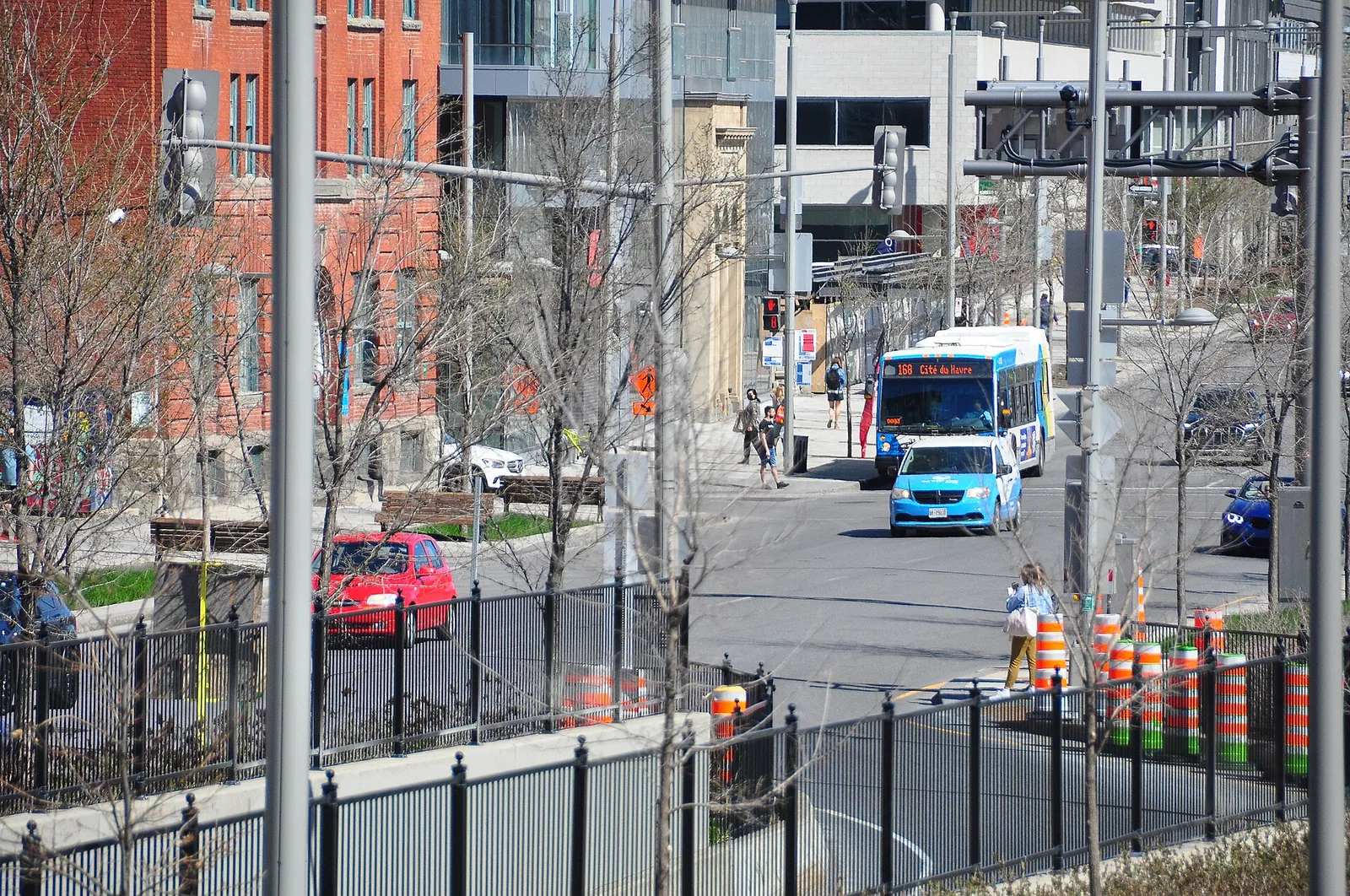
And one season nobody advertises: construction season. From spring to autumn, Montreal is famous — even among Montrealers — for its road works, detours and orange traffic cones. It rarely affects walkers or metro users, but if you’re driving or taking a taxi in summer, allow extra time.
What to Pack for Each Season
- Winter (mid-Nov to mid-Mar): insulated waterproof boots with a deep tread, a long hooded winter coat, thermal layers, tuque, mitts and scarf. Layers you can take off, because indoors is heated.
- Spring (late Mar to May): waterproof shoes for the slush, a warm jacket and a rain layer. By late May, add summer clothes.
- Summer (Jun to Aug): light, breathable clothes, sunscreen, a hat and a light rain jacket for thunderstorms. A sweater for air-conditioned venues.
- Autumn (Sep to mid-Nov): layers. T-shirt weather in early September, a warm jacket and scarf by late October, and waterproof shoes for November.
Comfortable walking shoes are essential in every season. Montreal is a city best seen on foot, and the cobbles in the old town punish thin soles.
Getting Around, Whatever the Season
The metro is run by the STM (Société de transport de Montréal) and runs entirely underground, so it works the same in a snowstorm or a heatwave. As of September 2026, a single fare is $3.75, a 24-hour pass $11.25 and a 3-day pass $21.75. You can tap a contactless card at the turnstile or buy an OPUS card ($6) to load passes onto. The metro runs until about 00:30, later on Saturdays.
From the airport, the 747 bus runs 24 hours a day to downtown for $11.25, including 24 hours of travel on the network. The REM light rail does not yet serve the airport; that station is targeted for the end of 2027. The full BIXI bike-share season runs from 15 April to 15 November, with a reduced service and no e-bikes in winter.

When to Book, Season by Season
The best time to visit is only half the decision. The other half is when to commit, because Montreal’s busiest dates fill up far earlier than first-time visitors expect.
- Grand Prix weekend: book the moment the date is confirmed. In 2027 it is 21 to 23 May, so book now. Hotels near downtown and Old Montreal sell out first, and the rest of the city follows.
- Summer festivals: book as soon as each festival announces its dates, usually months ahead. If you’re coming for one specific headliner or a night at Osheaga, secure the ticket before the room, then book something cancellable.
- September and October: a few weeks ahead is usually enough on weekdays. Weekends, and especially Thanksgiving weekend in October, need more notice.
- Winter: the easiest season to book late, except for Montréal en Lumière weekends, Nuit blanche and the holiday period around Christmas and New Year.
- Timed tickets: AURA at Notre-Dame Basilica sells evening tickets online or by phone only, and good nights sell out. Gardens of Light uses timed tickets. Habitat 67 tours run only on Saturdays. Book all three before you arrive.
Backup Plans for Bad Weather
Whatever month you choose, keep a short list of indoor fallbacks for the day the weather turns.
A rainy or freezing day: Pointe-à-Callière, where the best of the museum is underground; the Montreal Museum of Fine Arts; the Biodôme’s indoor ecosystems, including a humid tropical rainforest; and the Botanical Garden’s greenhouses. Link them up by metro and you’ll barely go outside. The RÉSO lets you cross downtown under cover, and the Eaton Centre’s food court is right on the Green line at McGill.
A heatwave day: go out early for the outdoor sights, then retreat indoors for the middle of the day. The museums, the basilica and the shopping centres of the underground network are all cool refuges. In summer, head to the beach on Île Notre-Dame or the shady lawns of Parc La Fontaine in the late afternoon, and save the Old Port promenade for the evening, when the breeze comes off the river.
A grey November or April day: this is a food day. Queue for smoked meat at Schwartz’s on boulevard Saint-Laurent, walk the indoor stalls at Jean-Talon, and spend the evening at a hockey game or a show in the Quartier des Spectacles. Grey days are the reason Montreal takes eating so seriously.
Seasonal Mistakes to Avoid
- Using last year’s dates. The Grand Prix moved from June to late May in 2026, and many sites still list it in June. Festival dates change every year.
- Booking a summer trip without checking the festival calendar. A Jazz Fest or Grand Prix overlap can double your hotel bill.
- Expecting spring in April. Late spring in Montreal means late May.
- Planning around the Montreal Tower view. The observatory is closed until spring 2027.
- Arriving on 1 July with a rental car. Moving Day turns residential streets into obstacle courses.
- Coming in winter in the wrong shoes. Good boots make the difference between a great winter trip and a miserable one.
- Looking for calèche rides or the Old Port rink. Horse-drawn carriages were banned in 2020, and the rink is permanently closed.
Frequently Asked Questions
What is the best month to visit Montreal?
September is the best single month for most visitors. It’s warm without summer’s humidity, the terrasses are open, the festival crowds have gone and hotel prices ease off after August. Mid-October is a close second for the fall colour on Mount Royal. For festivals choose late June to early August, and for winter choose February, when Montréal en Lumière runs from 18 to 28 February 2027.
Is September the best time to visit Montreal?
For most travellers, yes. You get warm days, cool evenings, open terrasses and a lively city without the peak-season prices or crowds of July and August. The tam-tams on Mount Royal still run on Sundays, and the Botanical Garden’s Gardens of Light show starts on 3 September 2026. The only drawback is that the beaches and some summer-only services close after Labour Day.
What is the cheapest time to visit Montreal?
January to March, excluding the Montréal en Lumière weekends and Nuit blanche, is the cheapest period for hotels, followed by November and April. The trade-off is the weather: cold and snowy in winter, grey and slushy in April and November. Winter is the better bargain, because many of its best activities, like outdoor skating and the Kondiaronk lookout, are free.
When is fall foliage in Montreal?
Colour usually peaks in the city around mid-October. Montreal is typically the last part of Quebec to turn, because the urban heat island keeps the city warmer than the surrounding countryside. For earlier colour, head to the Laurentians in late September or early October. In the city, Mount Royal and the Botanical Garden offer the best displays.
When is the Canadian Grand Prix in Montreal?
From 2026 the Canadian Grand Prix moved from June to late May; the 2026 race weekend ran from 22 to 24 May at the Circuit Gilles-Villeneuve on Île Notre-Dame. The 2027 race runs from 21 to 23 May. It’s the most expensive hotel weekend of the year, so book early if you’re going and avoid it if you’re not.
What is the worst time to visit Montreal?
Late March and April are the least rewarding: the snow melts into slush, the trees are bare and the weather is grey and changeable. Early November is similarly drab. Both periods are cheap, though, and fine for a city break built around museums and restaurants. If you dislike crowds and high prices, avoid Grand Prix weekend and the peak festival weeks instead.
Is Montreal worth visiting in winter?
Yes, if you pack for the cold. Winter brings outdoor skating on Mount Royal, Igloofest, Montréal en Lumière, hockey at the Bell Centre, Nordic spas and the year’s lowest hotel prices. January averages about −9 °C, so warm boots and layers are essential. Mid-January to late February offers the most reliable snow and the best festival line-up.