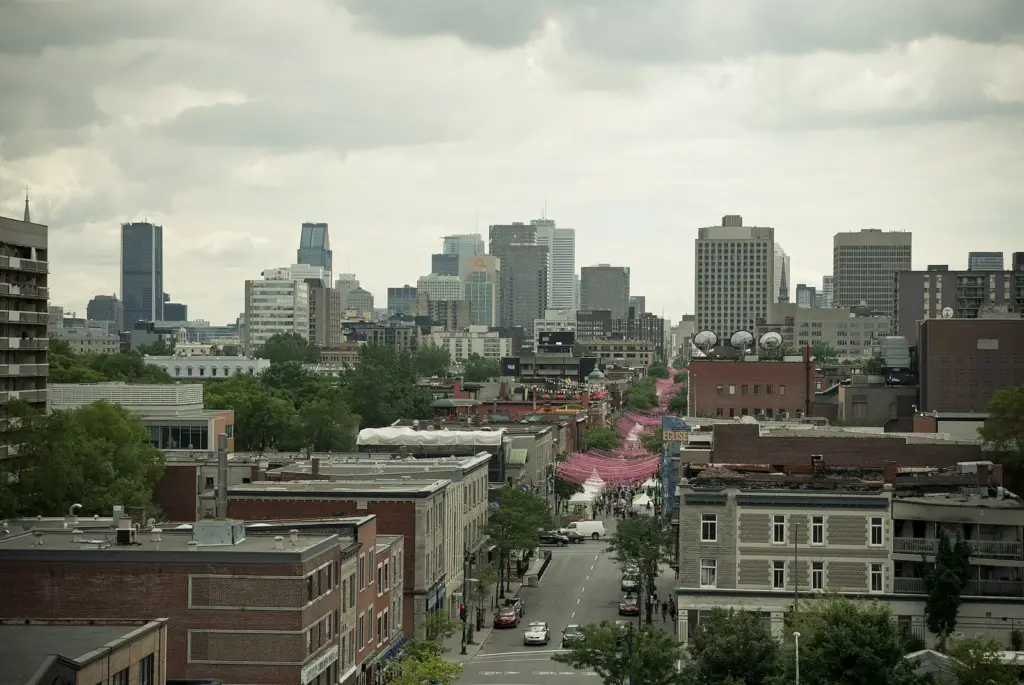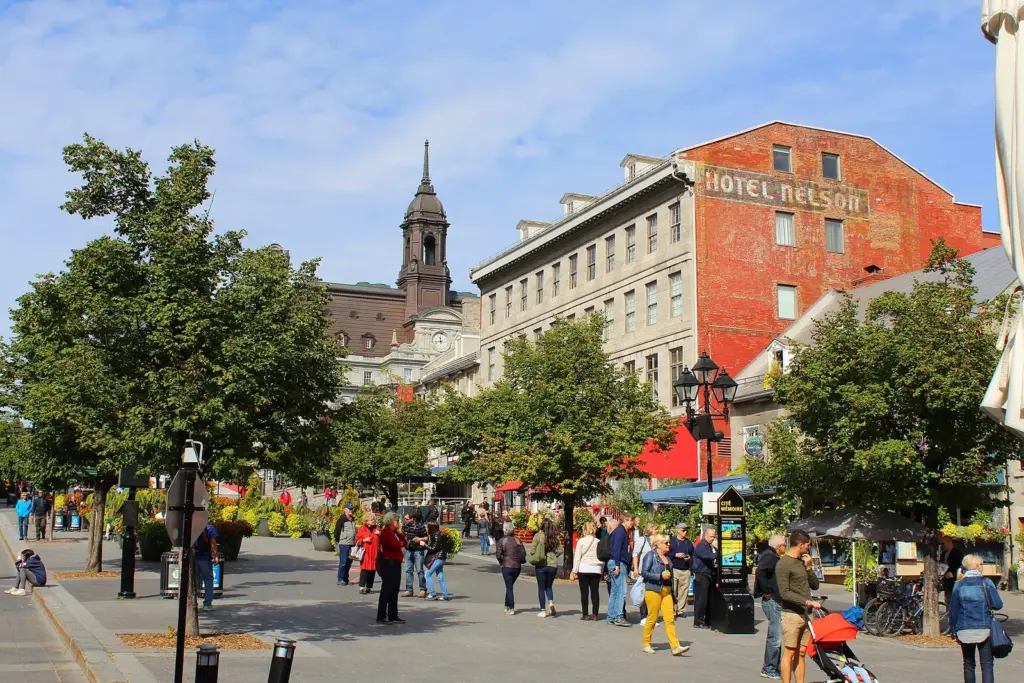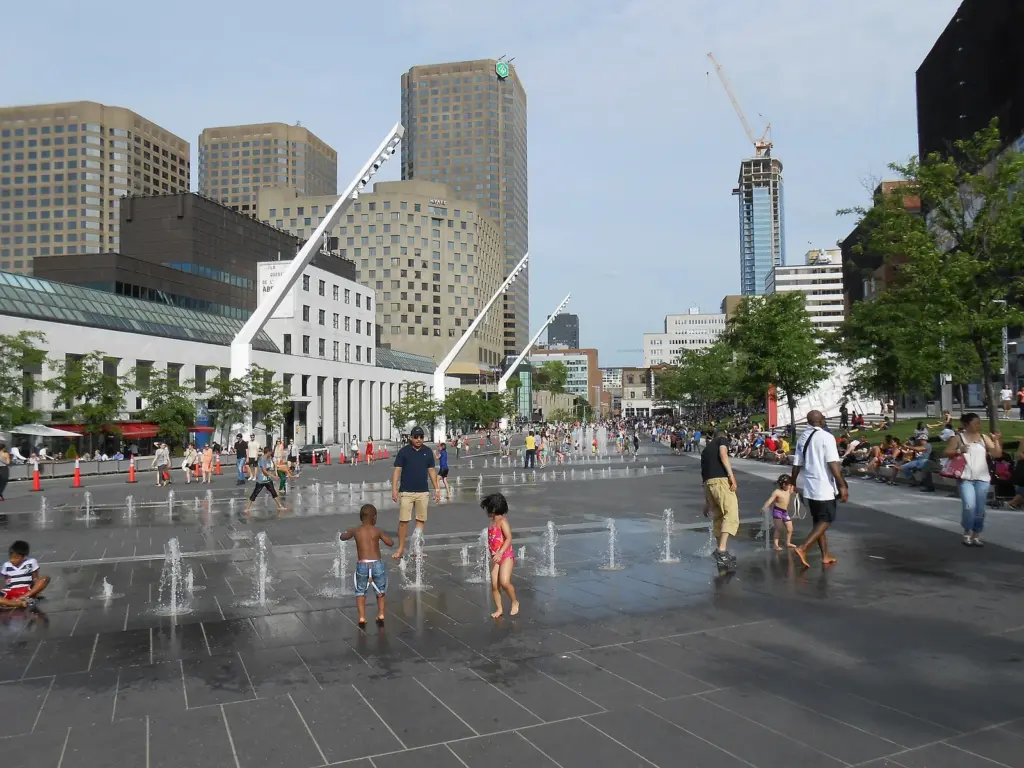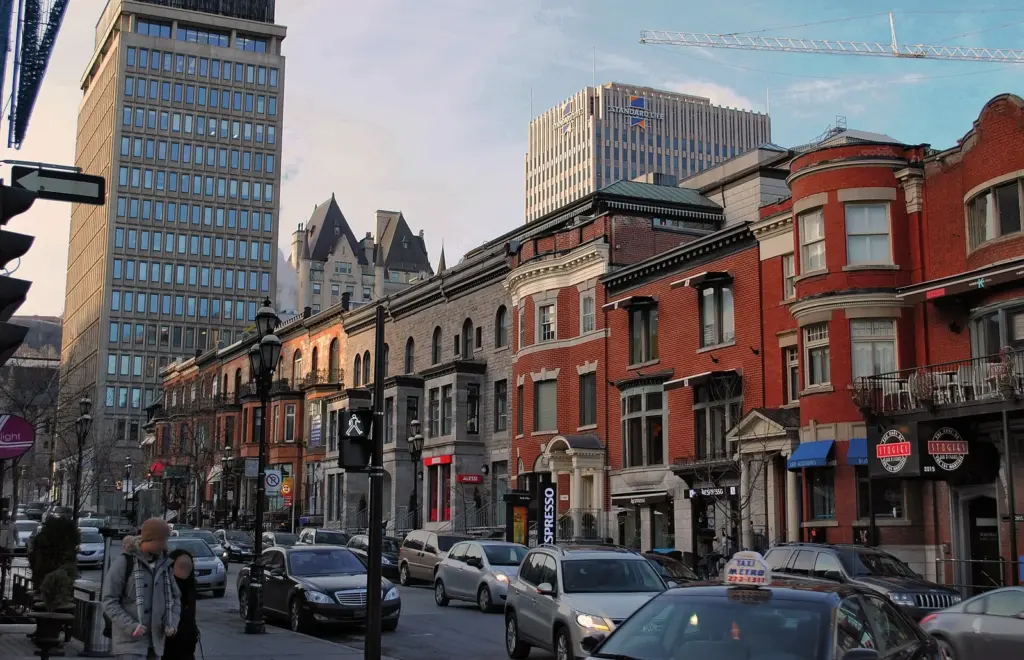
Montreal nightlife runs later than almost anywhere else in North America: bars pour until 03:00, the legal drinking age is 18, and nobody much thinks about going out before 22:00. It is also more varied than its reputation as a party town for weekending Americans suggests. On the same Saturday you can drink natural wine in Mile End, catch an indie band in a Plateau back room, dance under a serious sound system in the Village, lose a few dollars at the Casino and end with a 04:00 poutine. Below: how the city’s nights work, what they cost, the best streets and neighbourhoods, bars and clubs by style, live music and comedy, LGBTQ+ nightlife, how the scene changes with the seasons, and how to get home when the metro has stopped.
Montreal Nightlife: The Rules That Shape a Night Out
A few facts explain nearly everything about going out in Montreal, and knowing them saves you from arriving at a club at 21:30 to an empty room.
| What | The rule in Montreal | What it means for you |
|---|---|---|
| Last call | 03:00 | Bars are busiest from about 23:00 to 02:30 |
| Legal drinking age | 18 | Bring photo ID; passports are safest for visitors |
| Cover charges | Roughly $5–$25 at clubs (checked Sep 2026) | Free at most bars; more for big DJ nights |
| Tipping | $1–$2 per drink or 15–20% of a tab | Tip bartenders every round and service will follow |
| Buying alcohol | Spirits at the SAQ; beer and wine at dépanneurs until 23:00 | Stock up before 23:00 for a hotel-room pre-drink |
| Metro | Last trains roughly 00:30, later on Saturdays | Plan a night bus, taxi or Uber home |
| Smoking | Banned indoors and on bar and restaurant terrasses | Smokers stand on the pavement |
| Cannabis | Legal from 21 in Quebec, sold only at SQDC stores | Not for sale to 18- to 20-year-olds, not smoked in bars |
Why Montreal nightlife starts late
Montrealers eat dinner late, often at 20:00 or after, then meet for drinks around 22:00. Clubs don’t get going until midnight. With last call at 03:00, there’s no rush, and arriving at a club at 22:30 usually means paying a cover to dance alone. Use the early evening for a long dinner or a show, and treat 23:00 as the real start of the night.
The 18-to-20 crowd
Because Quebec’s drinking age is 18, lower than Ontario’s or any US state’s, Montreal has long drawn young visitors from across the border, especially to the bars of rue Crescent and the downtown clubs. It’s legal and normal, but bouncers do check ID carefully, and a US driver’s licence or a passport is expected. Cannabis is a different story: in Quebec the legal age for buying and possessing it is 21.
The cinq à sept
Before the late night comes the cinq à sept, literally “five to seven”, Quebec’s name for after-work drinks. Bars and restaurants across downtown, Old Montreal and the Southwest run specials on drinks and snacks in the early evening, and offices empty into them on Thursdays and Fridays. It’s the cheapest drinking of the day, a good way to meet locals, and a natural bridge to dinner. Look for chalkboards on the pavement advertising “5 à 7”.

Montreal Nightlife by Neighbourhood
Montreal’s nightlife is spread out along a handful of streets rather than packed into one district, and each has its own crowd. Pick your area to match your mood, and you can usually walk between bars all night.
| Area | Main streets | Crowd | Best for | Nearest metro |
|---|---|---|---|---|
| The Main (Plateau) | Boulevard Saint-Laurent | Mixed, 20s–40s | Bar-hopping, clubs, late food | Saint-Laurent, Sherbrooke, Mont-Royal |
| Quartier Latin | Rue Saint-Denis | Students, francophone | Terrasses, cheap pitchers, live music | Berri-UQAM, Sherbrooke |
| Downtown | Rue Crescent, rue Bishop, rue de la Montagne | Students, tourists, sports fans | Pubs, big clubs, game nights | Peel, Guy-Concordia, Lucien-L’Allier |
| The Village | Rue Sainte-Catherine Est | LGBTQ+ and friends | Drag, dancing, after-hours | Beaudry, Papineau |
| Mile End | Saint-Laurent north, Saint-Viateur, Bernard | Creative, 25–45 | Wine bars, indie venues | Laurier, then walk |
| Southwest | Rue Notre-Dame Ouest, Griffintown | Young professionals | Cocktails, restaurants, big club nights | Lionel-Groulx, Georges-Vanier |
| Old Montreal | Rue Saint-Paul, Place d’Armes | Tourists, hotel guests, couples | Rooftops, cocktail lounges, date nights | Place-d’Armes, Square-Victoria–OACI |
Boulevard Saint-Laurent, “the Main”
Saint-Laurent is the spine of Montreal nightlife. It historically divided the English-speaking west of the city from the French-speaking east, and the stretch between Sherbrooke and Mont-Royal avenue is lined with bars, clubs, live music rooms and late-night food. On a Friday or Saturday night the pavements are packed. Walk it from south to north, stopping wherever the door looks good; you’ll pass everything from dive bars to dressy lounges, and the crowds get more local the further north you go.
Rue Saint-Denis and the Quartier Latin
East of the Main, rue Saint-Denis runs through the Quartier Latin, the university district around UQAM. It’s more francophone, cheaper and more casual, with big summer terrasses where friends share pitchers of beer. Le Saint-Sulpice, with its huge back terrace, is the classic. In summer, the Quartier Latin’s crowds spill out after shows at the nearby festivals.
Rue Crescent and downtown
Rue Crescent, between Sainte-Catherine and De Maisonneuve, is the English-speaking downtown party strip: Victorian greystones converted into pubs and bars with balconies, busy with students from Concordia and McGill, hockey fans and weekend visitors. It’s loud, fun and predictable. Neighbouring rue Bishop has McKibbin’s and the Irish Embassy Pub, and Brutopia, a long-running brewpub with its own beers and live music, is on Crescent itself. On Canadiens game nights, every screen on the street shows the hockey.
The Village
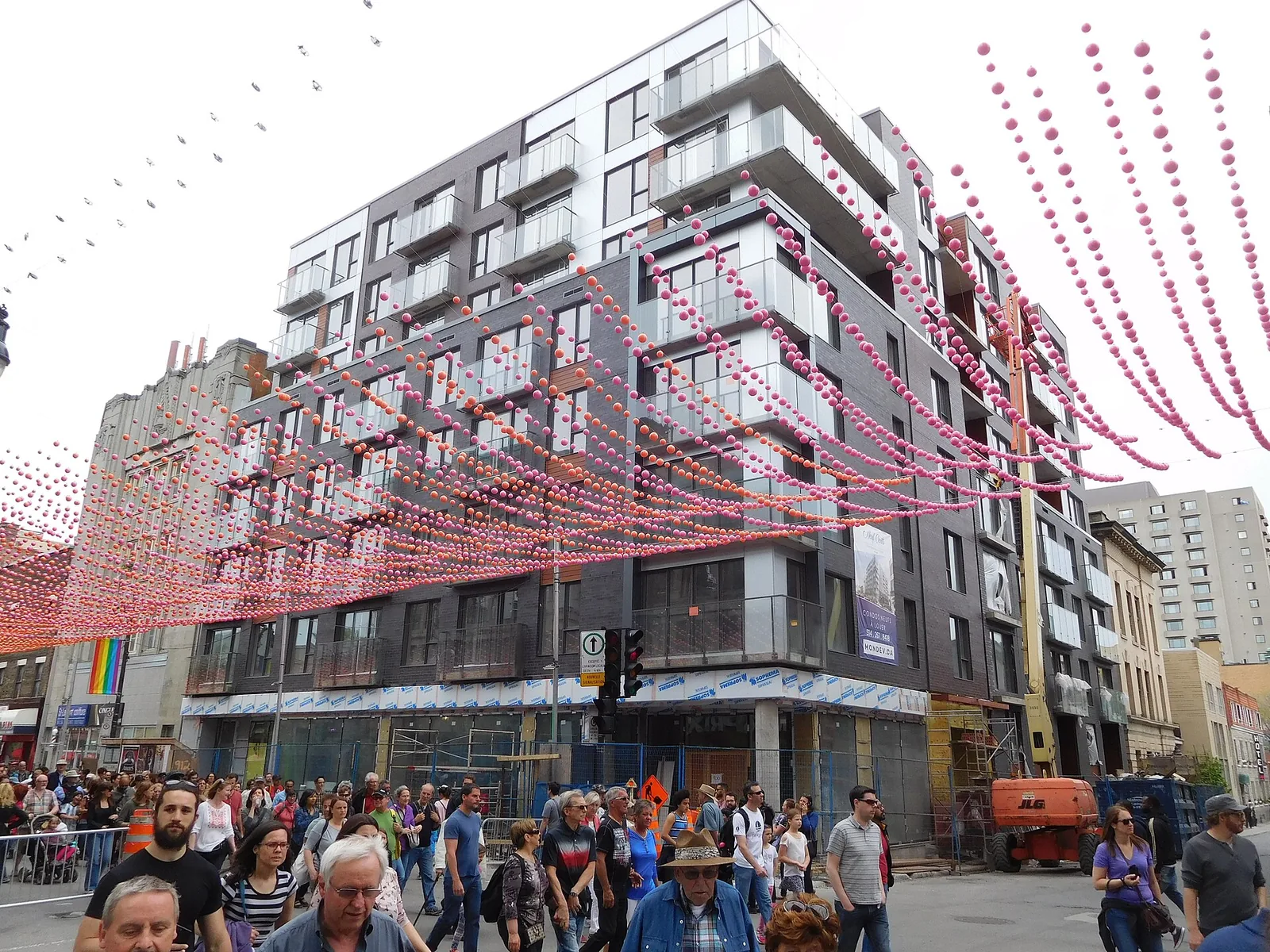
Montreal’s gay village, along rue Sainte-Catherine Est between about rue Saint-Hubert and avenue Papineau, is one of the largest in North America and one of the most welcoming nightlife districts in the city for everyone. In summer, the street is often closed to cars and becomes a long pedestrian promenade with terrasses. There’s more on the Village’s bars and clubs below.
Mile End
North of the Plateau, Mile End is Montreal’s creative neighbourhood, and its nightlife reflects that: small wine bars with natural wine lists, craft beer, intimate venues for indie bands and experimental music, and bars where the crowd is more likely to be discussing a gallery opening than doing shots. It’s quieter and more grown-up than the Main. Don’t confuse it with the Plateau: they’re neighbours, but Mile End lies to the north-west and has a different feel. Our guide to Montreal’s neighbourhoods explains the difference.
The Southwest: Saint-Henri, Little Burgundy and Griffintown
Rue Notre-Dame Ouest, running through Little Burgundy and Saint-Henri, has become one of the city’s best food and drink streets, with serious cocktail bars, restaurants that turn into bars late in the evening, and the British-style Burgundy Lion pub. Next door, Griffintown’s former industrial blocks are now condos, and the neighbourhood’s big night out is New City Gas, a huge club in a 19th-century gas plant at 950 rue Ottawa, which books big-name international DJs through the autumn of 2026.
Old Montreal
Old Montreal is quieter at night than you might expect, and its bars are mainly in hotels and restaurants. It’s the best area for a romantic drink: rooftop terrasses in summer, candlelit cocktail lounges in stone-walled cellars, and a walk along the Old Port afterwards. For more on the area, see our Old Montreal guide.
The Best Bars in Montreal, by Style
Bars open and close all the time, and hours change with the seasons, so check before you make a special trip. These are long-running favourites with a track record.
Cocktail bars
- Cloakroom Bar: a tiny, low-key cocktail bar behind a men’s tailor in the Golden Square Mile, where there’s no menu and the bartenders make drinks to your taste. It’s regularly ranked among the best bars in Canada.
- Atwater Cocktail Club: a moody speakeasy-style bar in Saint-Henri, entered through the back of a restaurant, near Atwater Market.
- Big in Japan: an unmarked door on boulevard Saint-Laurent leads to a candlelit bar with a long, winding counter and Japanese whisky. Look for the door, not a sign.
- Le Mal Nécessaire: a tiki bar in Chinatown with a neon pineapple outside, rum-heavy drinks and a party atmosphere.
Brewpubs and craft beer
Quebec has a strong craft beer culture, and Montreal is the best place to taste it. Dieu du Ciel!, on avenue Laurier Ouest on the edge of Mile End, is the city’s most famous brewpub, with a changing board of its own beers and a mostly local crowd. Brutopia on rue Crescent brews on site and has live music most nights. Dépanneurs (corner shops) and specialist beer shops sell Quebec craft beer for drinking at home, until 23:00.
Wine bars
Montreal took to natural wine early, and the city has a wide range of wine bars, many attached to restaurants. Pullman, on avenue du Parc uphill from Place des Arts, has a long list and small plates, and is handy before or after a show. Mile End and Little Italy have plenty of smaller, more casual wine bars where you can drop in without a reservation. For restaurant bars that serve food late, see our Montreal food guide.
Pubs
Downtown’s Irish and British-style pubs are relaxed places for a pint and a game. McKibbin’s and the Irish Embassy Pub on rue Bishop are busy with students and expats; Burgundy Lion on Notre-Dame Ouest does a proper pub menu and a big whisky list.
Terrasses and rooftops
From roughly May to October, Montreal lives outdoors on its terrasses, and choosing a good one is half of a summer night. In Old Montreal, the rooftop Terrasse Nelligan at the Hôtel Nelligan looks over the Basilica’s towers and the Old Port, and the rooftop at the Hôtel Place d’Armes faces Notre-Dame Basilica across the square. Both get busy at sunset, so go early. In the Plateau and Quartier Latin, back-garden terrasses like Le Saint-Sulpice’s are the place for groups.
Montreal Nightlife for Dancing: Clubs and Electronic Music
Montreal has one of North America’s best electronic music scenes, with a crowd that comes for the music rather than bottle service. It also has plenty of mainstream clubs where the goal is simply to dance.
Big clubs
New City Gas in Griffintown is the city’s biggest club, with international headline DJs, lasers and a crowd that dresses up. Downtown and on the Main, clubs play hip-hop, top 40 and house to a young, dressy crowd; covers run from about $5 on quiet nights to $25 or more for big events. Dress codes are enforced at the bigger places, so leave the running shoes at the hotel.
After-hours
When bars close at 03:00, the after-hours clubs keep going, but they stop serving alcohol, so it’s all about the music. Stereo, on rue Sainte-Catherine Est, is Montreal’s legendary after-hours, famous for its sound system and for sets that run until well after sunrise on weekends. Arrive after 02:00 and don’t expect to leave early.
Smaller dance floors
For underground house and techno in a smaller room, look at the Plateau and Mile End, where venues such as Salon Daomé book local and visiting DJs. Nights change weekly, so check listings before you go.
Outdoor dance parties
Two of the city’s best parties happen outside. Piknic Électronik takes over a corner of Parc Jean-Drapeau on summer Sundays with DJs and a relaxed, all-ages daytime crowd. In winter, Igloofest turns the Old Port into a snowbound open-air rave for several weekends in January and early February, with DJs, fires and a crowd in outrageous one-piece snowsuits. Its 2027 dates hadn’t been announced when we checked in September 2026; in 2026 it ran from 15 January to 7 February.
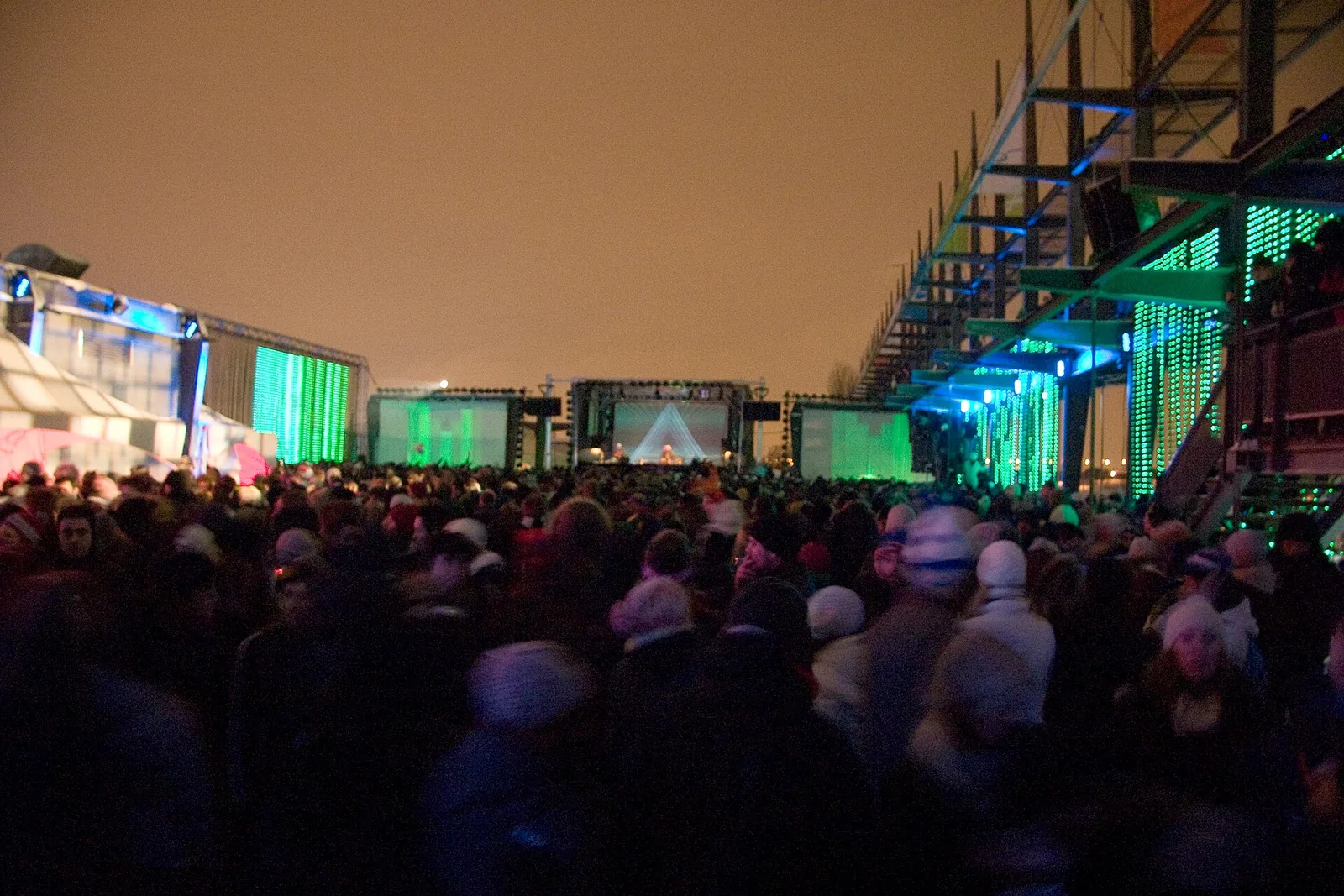
For the electronic music faithful, MUTEK, the festival of electronic music and digital art, held its 27th edition from 25 to 30 August 2026, with more than 120 artists. Put it in the calendar for late summer 2027.
Live Music in Montreal
Montreal has produced Arcade Fire, Leonard Cohen and a long list of indie and francophone acts, and its music scene is still one of the best in Canada. There’s live music every night of the week.
Concert halls and mid-size venues
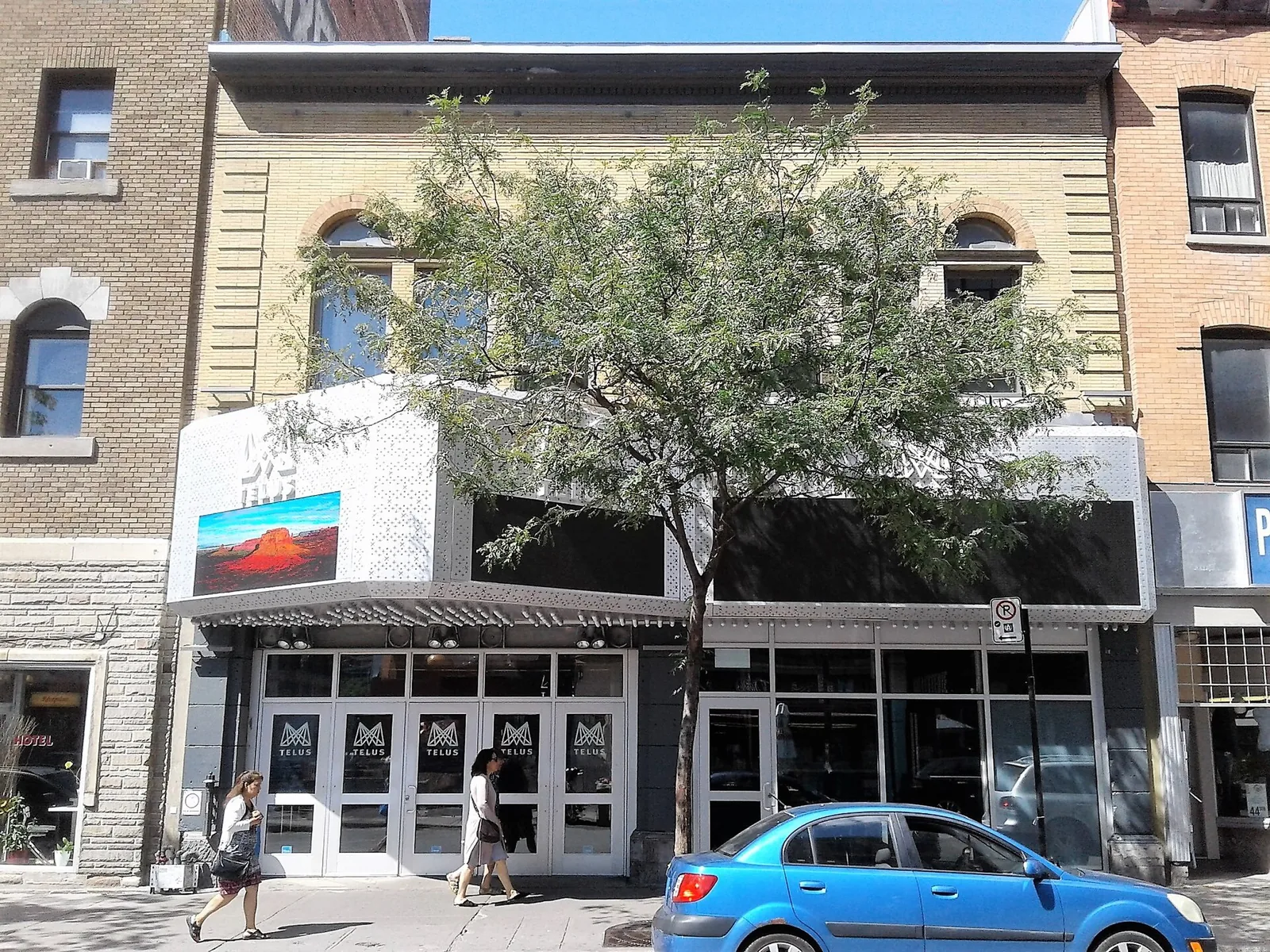
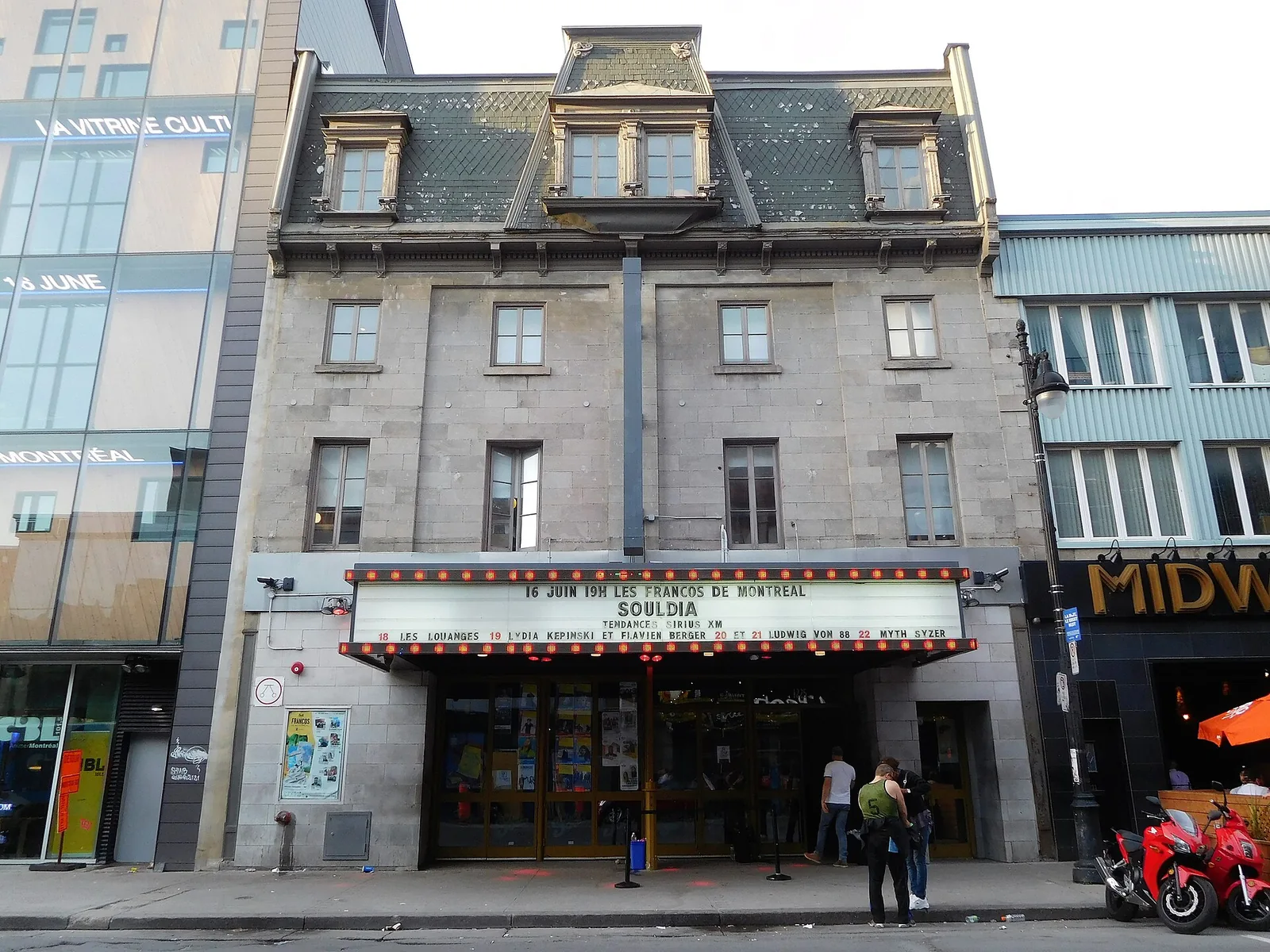
MTELUS, on rue Sainte-Catherine Est near Saint-Laurent metro, is the city’s main mid-size rock venue, in an old theatre, and hosts big touring acts. A short walk away, Club Soda is a smaller, seated-or-standing theatre that hosts concerts and comedy. Théâtre Corona, in Little Burgundy, is a beautifully restored old cinema that books indie and alternative bands.
Indie venues
On boulevard Saint-Laurent, Casa del Popolo and its sister venue across the street, Sala Rossa, have been the heart of Montreal’s independent music scene for decades, with experimental, folk, jazz and rock shows in small rooms. Quai des Brumes, on rue Saint-Denis, is a beloved, slightly ramshackle bar with live bands. Bar Le Ritz PDB, in Mile-Ex, books indie, punk and hip-hop.
Punk and rock
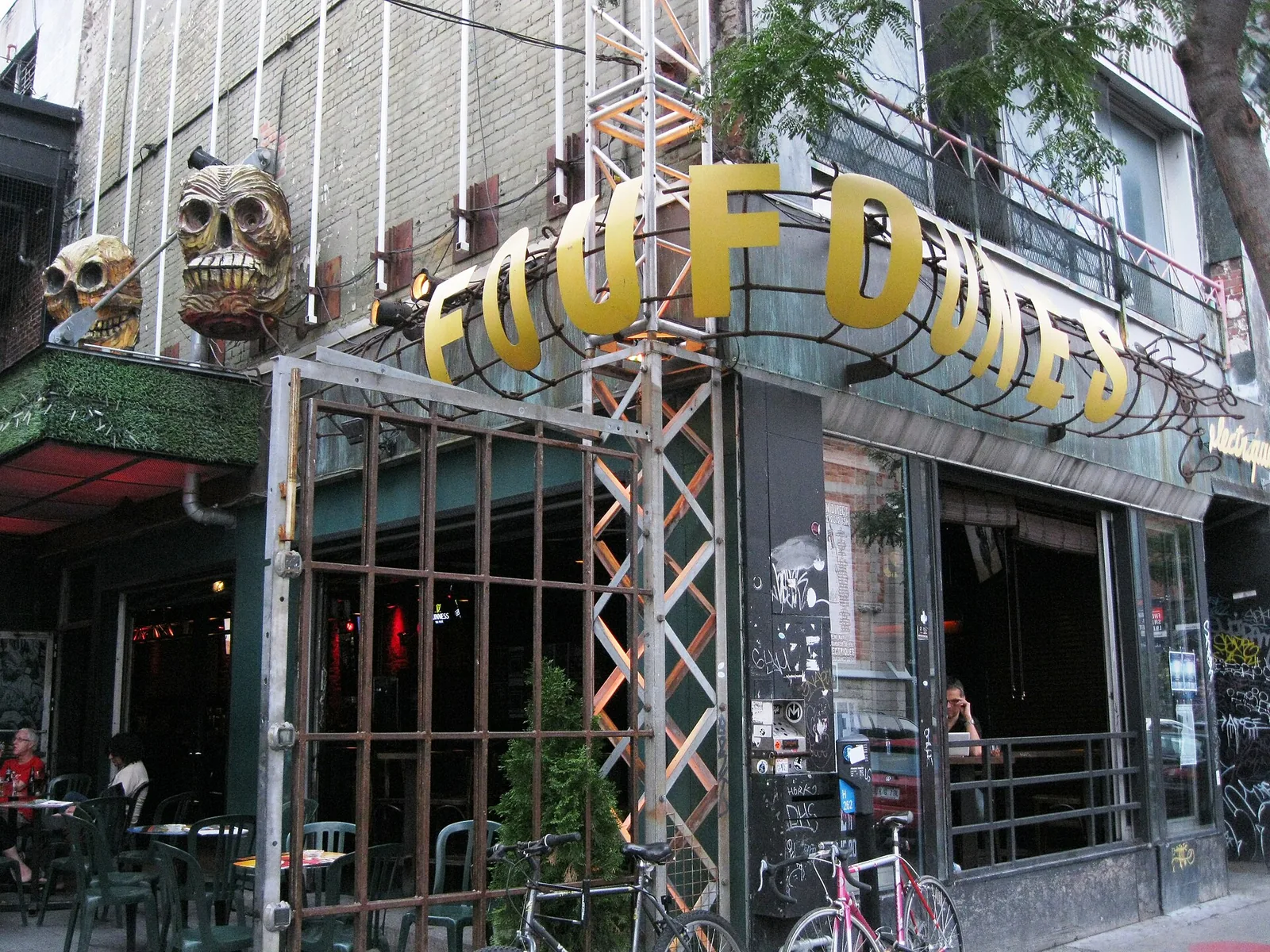
Foufounes Électriques, on rue Sainte-Catherine Est, has been Montreal’s punk and metal bar since 1983, with a terrace full of scrap-metal sculptures and shows most nights. Its name translates, roughly, as “electric buttocks”, which tells you something about the atmosphere.
Jazz
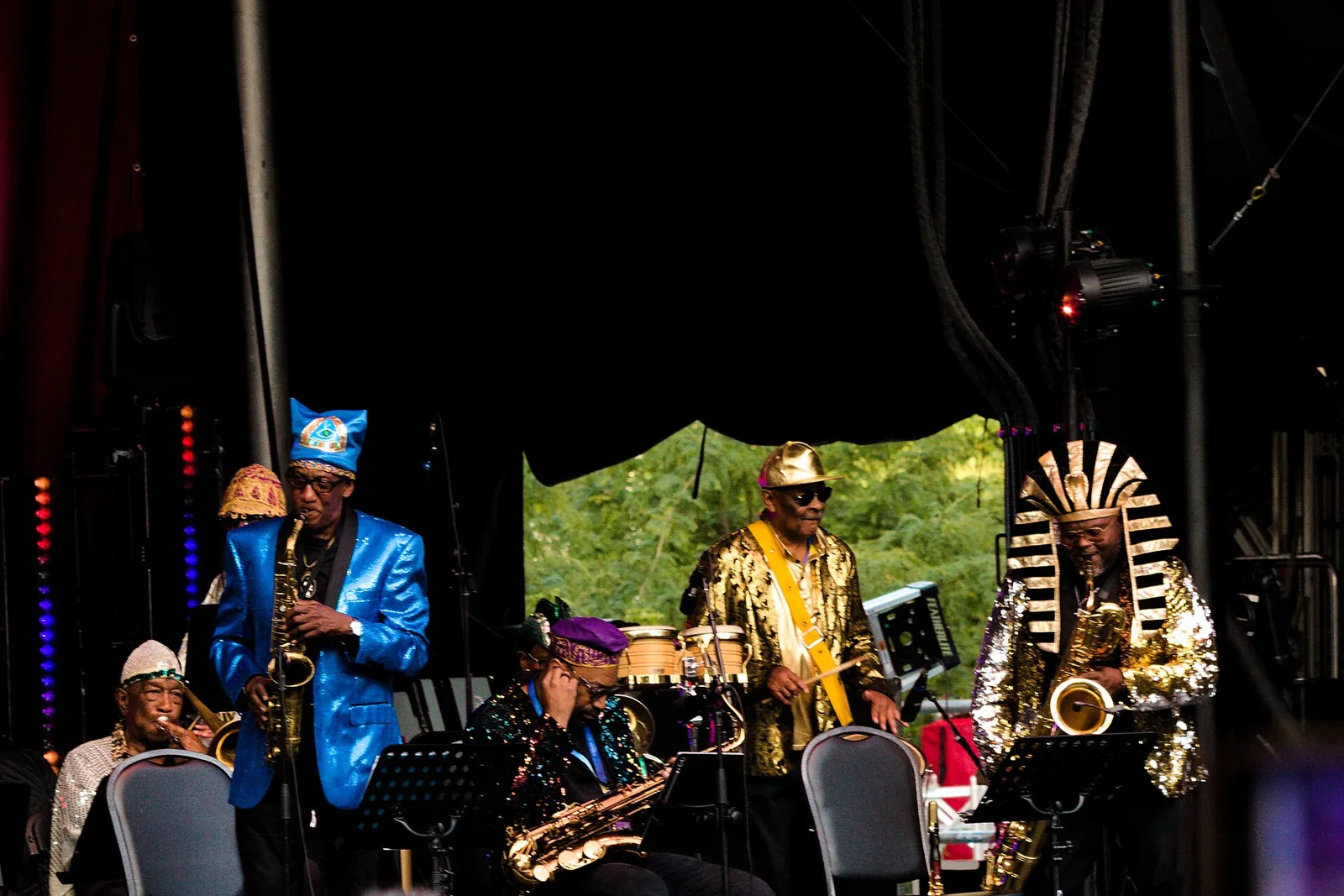
Montreal hosts the largest jazz festival in the world, and jazz clubs keep going all year. Upstairs Jazz Bar & Grill, downtown on rue Mackay, has live jazz every night in a cosy room with a small terrace. Dièse Onze on rue Saint-Denis is a basement club with a loyal crowd, and Maison du Jazz downtown mixes dinner with a show.
The Montreal International Jazz Festival, which ran from 25 June to 4 July in 2026, fills the Quartier des Spectacles with free outdoor stages as well as ticketed concerts. It’s one of the best free nights out anywhere.
Music festivals
Beyond the Jazz Festival, POP Montreal fills the city’s small venues with independent music from 23 to 27 September 2026, Les Francos de Montréal showcases francophone music in June (11 to 19 June in 2027), and Osheaga brings huge international acts to Parc Jean-Drapeau in early August. See our full Montreal festivals calendar for dates.
LGBTQ+ Nightlife in the Village
Montreal is one of the most LGBTQ+-friendly cities in the world, and the Village is the centre of its queer nightlife. Everyone is welcome, and many straight visitors come for the drag and the dancing.
- Cabaret Mado: the city’s famous drag cabaret, named after its founder, the drag queen Mado Lamotte, with shows most nights. Book ahead at weekends.
- Complexe Sky: a multi-level venue with bars, dance floors and a rooftop terrace with a pool in summer.
- Bar Le Cocktail: a small, friendly bar with drag and karaoke nights.
- Stereo: the after-hours club (see above) has deep roots in the Village’s club culture.
Fierté Montréal, the largest Pride festival in the French-speaking world, ran from 31 July to 9 August in 2026, with the parade on the final Sunday. Expect the Village to be packed for the whole festival, with free outdoor shows and parties.
Comedy, Cabaret and Late-Night Culture
Comedy
Montreal is home to Just for Laughs (Juste pour rire), one of the biggest comedy festivals in the world, held in July (14 to 26 July in 2026), with ticketed shows by big-name comedians and free outdoor events. The rest of the year, the Comedy Nest hosts English-language stand-up, and Montreal Improv puts on improv shows in English. French-language comedy is a huge scene of its own, if your French is up to it.
Late-night culture
Some of Montreal’s best nights don’t involve a bar at all. AURA, the sound-and-light show inside Notre-Dame Basilica, runs in the evening ($37 plus tax; evening tickets only online or by phone). The Gardens of Light at the Botanical Garden runs until 1 November 2026, with the gardens open until 21:00. On Nuit blanche, Saturday 27 February 2027, museums, galleries and venues across the city stay open all night during Montréal en Lumière. For daytime culture, see our guide to Montreal museums.
The Montreal Casino
The Casino de Montréal is on Île Notre-Dame, in a striking building that combines the former French and Quebec pavilions from Expo 67. It’s one of the largest casinos in Canada, with thousands of slot machines, table games, bars, restaurants and a view over the river to downtown. You must be 18 to enter, and ID is checked.
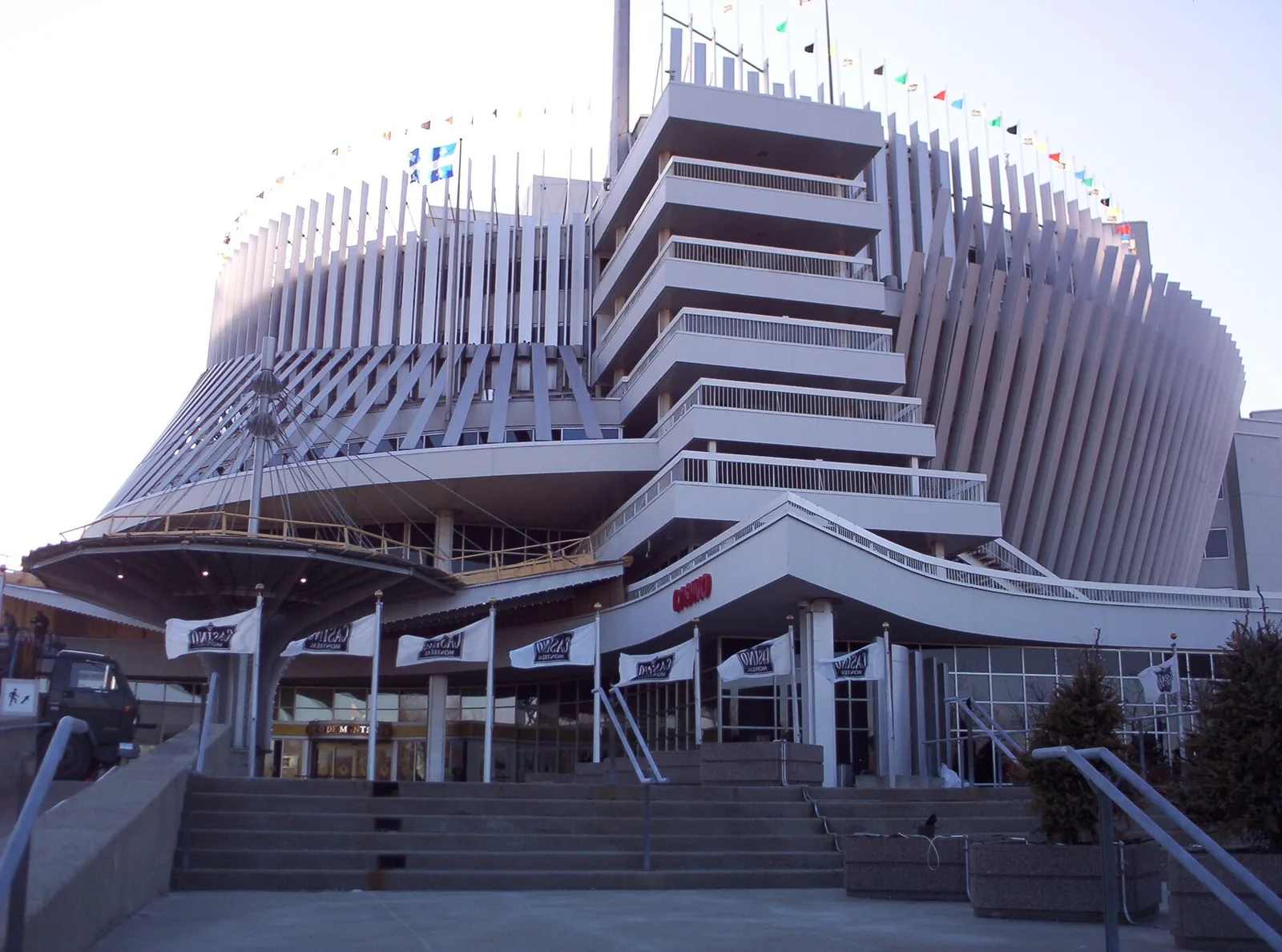
It opens from 09:00 to 05:00 Monday to Thursday, and stays open non-stop from 09:00 on Friday until 05:00 on Monday. Take the Yellow line to Jean-Drapeau and a short bus ride, or a taxi. Even if you don’t gamble, the building and the view are worth a look after dark.
Sports Nights
In Montreal, hockey is a night out in itself. The Montreal Canadiens play at the Bell Centre, the NHL’s largest arena with 21,105 seats, at 1909 avenue des Canadiens-de-Montréal downtown. The 2026–27 home opener is on Tuesday 6 October 2026 against Carolina. Tickets for popular games, especially Saturday nights against Toronto or Boston, are expensive; midweek games against Western Conference teams are much cheaper. The Bell Centre has a clear-bag policy and no re-entry.
If you can’t get a ticket, watching a game in a bar is almost as good. The pubs on rue Crescent and around the Bell Centre fill up on game nights, and the whole street erupts when the Canadiens score.
Montreal Nightlife Through the Year
| Season | What’s on | Nightlife mood |
|---|---|---|
| January–February | Igloofest; Montréal en Lumière (18–28 Feb 2027); Nuit blanche (27 Feb 2027); hockey | Cosy bars, outdoor raves in snowsuits, fewer tourists |
| March–April | Hockey playoff hopes; first warm evenings | Locals come out of hibernation |
| May–June | Terrasses open; Francos de Montréal; Piknic Électronik begins | The city moves outdoors |
| July–August | Jazz Festival, Just for Laughs, Fierté, Osheaga, MUTEK | Peak season: busy, loud, late, expensive hotels |
| September–October | POP Montreal (23–27 Sep 2026); Festival du nouveau cinéma (7–18 Oct 2026); hockey season starts | Students back, terrasses’ last weeks, great live music |
| November–December | Christmas market; New Year’s Eve in the Old Port | Bars fill up as the cold arrives |
Winter doesn’t slow Montreal down. The bars are cosier, the queues are shorter and hotels are cheapest, though you’ll want a warm coat for the walk between venues. Our Montreal in winter guide covers what to wear, and the best time to visit Montreal explains how prices change through the year.
Four Nights Out in Montreal
The first-timer’s night
Dinner in the Plateau around 20:00, then a walk down boulevard Saint-Laurent, stopping for a drink at whichever bar catches your eye. Find a live band in a small venue around 22:00, then dance until last call. Finish with a poutine at La Banquise, 994 rue Rachel Est, which is open 24 hours.
The cocktail and date night
Sunset drinks on a rooftop terrasse in Old Montreal, then dinner in the old city. Walk along the Old Port, then take a taxi to Saint-Henri for a late cocktail in a speakeasy, or head to Cloakroom downtown for a drink made to order.
The music lover’s night
An early dinner in Mile End, then a show at Casa del Popolo or Sala Rossa. Afterwards, walk down the Main for a late drink, or catch the last set at Upstairs Jazz Bar downtown. In late June and early July, swap it all for the free outdoor stages of the Jazz Festival.
The all-nighter
Dinner at 21:00, drinks in the Village from 23:00, a drag show at Cabaret Mado, then dancing at a club until 03:00. Walk to Stereo for the after-hours and emerge into daylight. Sleep until noon and eat bagels from St-Viateur, which opens at 06:00.
How Going Out in Montreal Actually Works
A few customs make a night out smoother, especially if it’s your first time in a French-speaking city.
Ordering and language
Staff in nightlife areas are almost always bilingual. Greet the bartender with “bonjour” or “bonsoir” and carry on in English if you like; nobody expects visitors to speak French. If you want to try, “une pinte” is a pint, “une bière en fût” is a draught beer, “l’addition, s’il vous plaît” gets you the bill, and “santé” is cheers. In francophone bars in the Quartier Latin or on Saint-Denis, a little effort goes a long way.
Paying and tabs
Most bars let you run a tab and pay at the end with a card, and card machines are brought to you so you can add the tip yourself. The machine usually suggests percentages; 15 to 20% is normal. In busy clubs, pay as you go at the bar. Carry a card that works abroad without fees, since many small bars prefer cards to cash, but keep a few dollars in coins or small notes for the coat check.
Coat checks and winter
From November to March, every bar and club with a dance floor has a coat check (vestiaire), usually for a small fee. Use it: nobody dances in a parka, and a heap of coats on a bar stool is how phones and gloves go missing. Budget a little extra time at the end of the night, since the queue for coats at 03:00 can be long.
Doors, dress codes and queues
Pubs and neighbourhood bars have no dress code at all. The bigger downtown and Griffintown clubs expect smart-casual: dark jeans or trousers, proper shoes, no sportswear. Queues form after midnight on Fridays and Saturdays, and groups of men without women are sometimes turned away from the more exclusive clubs, as in most cities. Arrive before 23:30 if you want to skip the worst of the line, and have your ID ready.
Bring your own wine
One of Montreal’s best customs isn’t in a bar at all. Many restaurants in the Plateau and elsewhere are BYOB, marked “apportez votre vin”: they have no alcohol licence and you bring your own bottle from the SAQ or a dépanneur. There’s usually no corkage fee, which makes a long dinner before a night out much cheaper.
Late-Night Food
With last call at 03:00, Montreal needs somewhere to eat afterwards, and it delivers. Our food guide has the full list, but these are the classics.
- La Banquise: the city’s 24-hour poutine restaurant, at 994 rue Rachel Est opposite Parc La Fontaine. There’s often a queue at 03:30, and it moves quickly.
- St-Viateur Bagel: the Mile End bakery, at 263 rue Saint-Viateur Ouest, is open from 06:00 to midnight, not around the clock as some guides claim. It’s a pre-club snack, not a 04:00 one.
- Chinatown: several restaurants along boulevard Saint-Laurent and rue de la Gauchetière stay open late for noodles and dumplings.
- Pizza by the slice and shawarma: the stretches of Saint-Laurent and Sainte-Catherine near the bars have late counters for a quick bite on the walk home.
- Dépanneurs: for crisps, drinks and snacks at any hour, though their beer and wine sales stop at 23:00.
Montreal Nightlife on a Budget
Going out in Montreal doesn’t have to be expensive. These habits cut the cost of a night without cutting the fun.
- Start with a cinq à sept. Early-evening specials are the cheapest drinks of the day.
- Eat BYOB. A bring-your-own-wine restaurant saves a lot on a bottle with dinner.
- Buy the evening pass. The STM’s evening pass costs $6.75 and covers unlimited bus and metro travel from 18:00 to 05:00, including the night buses. For a Friday-to-Sunday trip, the weekend pass is $17.00 and runs from Friday 16:00 to Monday 05:00.
- Drink where students drink. The Quartier Latin and rue Saint-Denis have the cheapest pitchers in the city.
- Go out midweek. Many bars have cheaper drinks and free covers from Sunday to Wednesday, and the live music is often just as good.
- Follow the festivals. In summer, the Jazz Festival, Just for Laughs and Fierté put on free outdoor shows almost every night.
Weeknights and Sundays
Montreal doesn’t only come alive on weekends. Thursday is a big night for locals and students, and many say it’s the best night of the week to go out, with full bars and fewer tourists. Sunday is quieter, but the jazz clubs, pubs and brewpubs are open, and in summer the Sunday afternoon tam-tams at Mount Royal and Piknic Électronik lead naturally into an evening drink. Monday and Tuesday are the slowest nights; check that a club is open before you go, and head to a jazz bar, pub or cocktail bar instead.
Bachelor and Bachelorette Weekends
Montreal is one of the most popular bachelor and bachelorette destinations in North America, thanks to the late bars, the lower drinking age and a short flight or drive from much of the north-eastern US and Ontario. It can be a brilliant weekend, and a few decisions make the difference between a great group trip and an expensive shambles.
- Book dinner for a group well ahead. Restaurants that can seat ten or more on a Saturday night fill up weeks in advance, especially in summer and during festivals.
- Consider BYOB. A large table at a bring-your-own-wine restaurant is the cheapest way to feed and water a group.
- Split the night. Big groups struggle to get into busy clubs together. Book a table or guest list for the club, or split into smaller groups after dinner.
- Be respectful in residential streets. The Plateau’s bars sit under people’s apartments, and noise complaints are taken seriously.
- Stay central. A downtown or Plateau base saves a fortune in taxis. Remember that apartment rentals in private homes are only legal from 10 June to 10 September.
- Plan the next day gently. A late brunch, a slow walk up Mount Royal or a Nordic spa is the traditional cure.
Going Out Alone
Montreal is an easy city to go out in on your own. Sit at the bar rather than a table and bartenders will talk to you; jazz clubs, brewpubs and cocktail bars are the most comfortable places for solo drinkers, and concerts and comedy shows are made for single tickets. Walking between bars on Saint-Laurent, Saint-Denis or in the Village feels safe late at night because the streets are so busy. Share your plans with someone, keep your phone charged for the ride home, and use a licensed taxi or ride-share app rather than accepting lifts.
Getting Home Safely
Metro, night buses and taxis
The metro stops running at roughly 00:30 (a little later on Saturdays), so plan your ride home before you go out. After that, the STM runs a network of night buses, numbered in the 300s, along main routes, which are cheap but infrequent. Taxis are easy to find on the main nightlife streets at closing time, and Uber operates throughout the city. Standard taxi fares in Montreal start at $4.10 by day and $4.70 at night, with $2.05 per kilometre by day and $2.35 per kilometre at night. Our guide to getting around Montreal explains fares and passes.
Staying safe
Montreal is generally safe at night, and the main nightlife streets are busy until well after closing. Use the usual big-city sense: watch your drink, keep an eye on your phone in crowded bars, and use licensed taxis or ride-share apps. Don’t drink alcohol on the street or in parks without a meal, which is against the rules, and remember that the police do enforce drink-driving laws strictly. If you’re staying in the Plateau or the Village, the walk home is often the best part of the night.
Where to stay for nightlife
If going out is the point of your trip, stay close to the action. The Plateau puts you within walking distance of the Main and Saint-Denis; downtown is best for Crescent and the big clubs; and the Village and Quartier Latin are best for LGBTQ+ nightlife and after-hours. Light sleepers should choose a room at the back. For more, see where to stay in Montreal.
What a Night Out Costs
Montreal is cheaper than New York or Toronto for a night out, but not cheap. Drink prices vary widely by bar and neighbourhood: student bars in the Quartier Latin and pitchers on Saint-Denis are the best value, while hotel rooftops and cocktail bars in Old Montreal and downtown charge the most. Remember that sales tax is added to the listed price and tips are expected on top.
- Cover charges: roughly $5 to $25 at clubs, as of September 2026; more for big-name DJ events.
- Tips: $1 to $2 per drink, or 15 to 20% of a tab.
- Getting home: a night bus fare is cheapest; taxis start at $4.70 at night.
- Pre-drinks: buy beer and wine at a dépanneur before 23:00, or spirits at the SAQ during opening hours.
- Free nights: Jazz Festival outdoor stages, Just for Laughs street shows, Fierté events and Piknic’s daytime vibe are free or cheap.
For ideas to fill the days between nights out, see the list of things to do in Montreal and our Montreal itinerary.
Frequently Asked Questions
What time do bars close in Montreal?
Bars in Montreal serve alcohol until 03:00, the latest last call of any major North American city, and most close shortly afterwards. After-hours clubs such as Stereo stay open until morning on weekends but stop serving alcohol at 03:00. Plan for a late start: bars get busy around 23:00 and clubs fill up after midnight.
What is the drinking age in Montreal?
The legal drinking age in Montreal, and all of Quebec, is 18. That’s lower than in Ontario and every US state, which is why Montreal is popular with young American visitors. Bars and clubs check ID, so carry a passport or driver’s licence. Cannabis is different: the legal age to buy it in Quebec is 21.
Where is the best nightlife in Montreal?
Boulevard Saint-Laurent in the Plateau is the busiest nightlife strip, with bars, clubs and live music. Rue Crescent downtown has pubs and big clubs, the Village on rue Sainte-Catherine Est has drag, dancing and after-hours, and Mile End and Saint-Henri are best for wine and cocktail bars. Old Montreal suits quieter, romantic evenings.
Is Montreal nightlife expensive?
It’s cheaper than New York or Toronto but not a bargain. Club covers run about $5 to $25, and tipping of $1 to $2 per drink or 15 to 20% is expected, with sales tax added to listed prices. Student bars in the Quartier Latin are the best value; hotel rooftops and downtown cocktail bars cost the most.
How do you get home after a night out in Montreal?
The metro stops running at roughly 00:30, a little later on Saturdays. After that, use the STM’s night buses on main routes, a taxi or Uber. Taxis are easy to hail on the main nightlife streets at closing time; meters start at $4.70 at night. If you’re staying in the Plateau or the Village, walking home is often easiest.
Is Igloofest worth it?
Yes, if you like electronic music and don’t mind the cold. Igloofest turns the Old Port into an outdoor dance party with international DJs on winter weekends, and the crowd’s one-piece snowsuits are part of the fun. Its 2027 dates hadn’t been announced in September 2026; in 2026 it ran from 15 January to 7 February. Dress in thermal layers.
What is there to do at night in Montreal besides drinking?
Plenty. Watch AURA inside Notre-Dame Basilica, see the Gardens of Light at the Botanical Garden until 1 November 2026, catch a Canadiens game at the Bell Centre, take in a show at Place des Arts or Just for Laughs, or visit the Casino. In February, Nuit blanche keeps museums and galleries open all night.