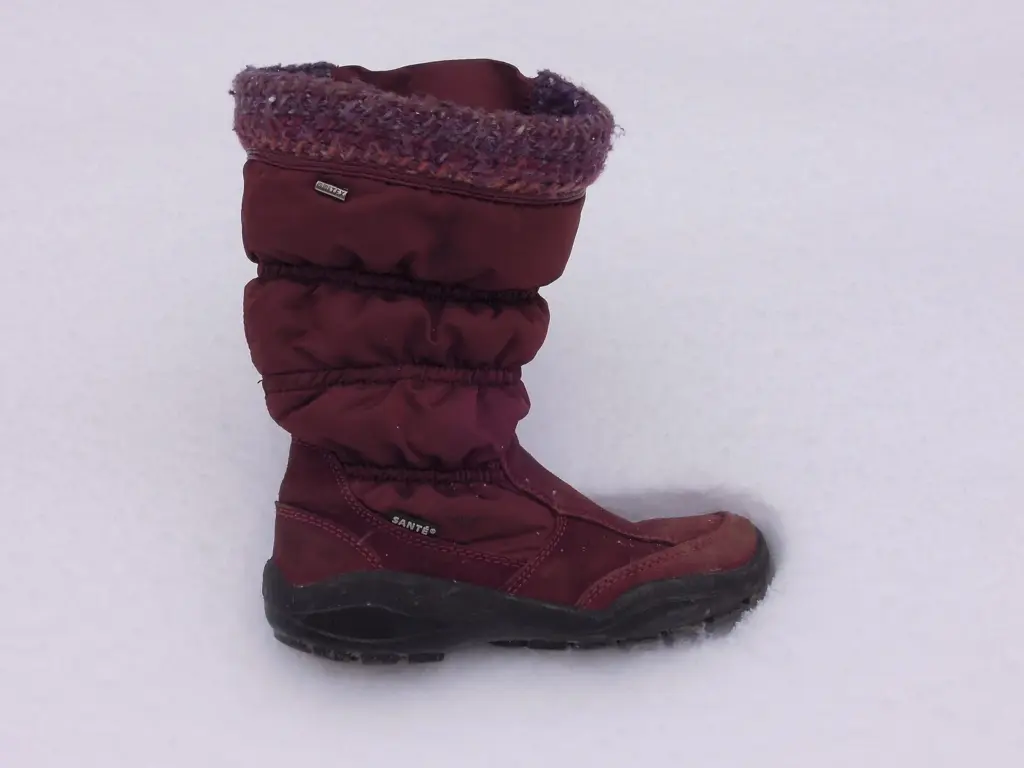
Knowing what to wear in Montreal in winter comes down to one rule: dress for −15 °C outside and +22 °C inside, often within the same five minutes. January averages a high of −5 °C and a low of −13.5 °C, the wind can make that feel like −30, and then you walk into a metro station, a museum or a restaurant that’s heated like a sauna. The answer isn’t the biggest coat you can find. It’s insulated waterproof boots, a proper parka, a hat that covers your ears, mitts, and thin layers underneath that you can take off.
This is the packing list we’d give a friend: what the cold actually does month by month, how to layer, which boots matter, how to dress for skating, Igloofest or a hockey game, and where to buy what you forgot. It pairs with our guide to Montreal in winter, which covers what to do once you’re warm.
What to Wear in Montreal in Winter: The Short Answer
If you read nothing else, pack these seven things:
- Insulated, waterproof boots with a deep, grippy sole. This is the one item that makes or breaks a winter trip.
- A warm, windproof parka that covers your hips or thighs, ideally with a hood.
- A tuque, the Canadian knitted hat, pulled down over your ears.
- Mitts, not just gloves, with thin liner gloves for using your phone.
- A neck warmer or scarf you can pull up over your nose and cheeks.
- Thermal base layers, top and bottom, in merino wool or synthetic fabric, not cotton.
- Wool socks, several pairs, so there’s always a dry one.
Everything else is fine-tuning. The principle behind all of it: stay warm and dry outside, and be able to cool down quickly inside, because Montreal’s buildings, metro and tunnels are all heated.
How Cold Montreal Actually Gets
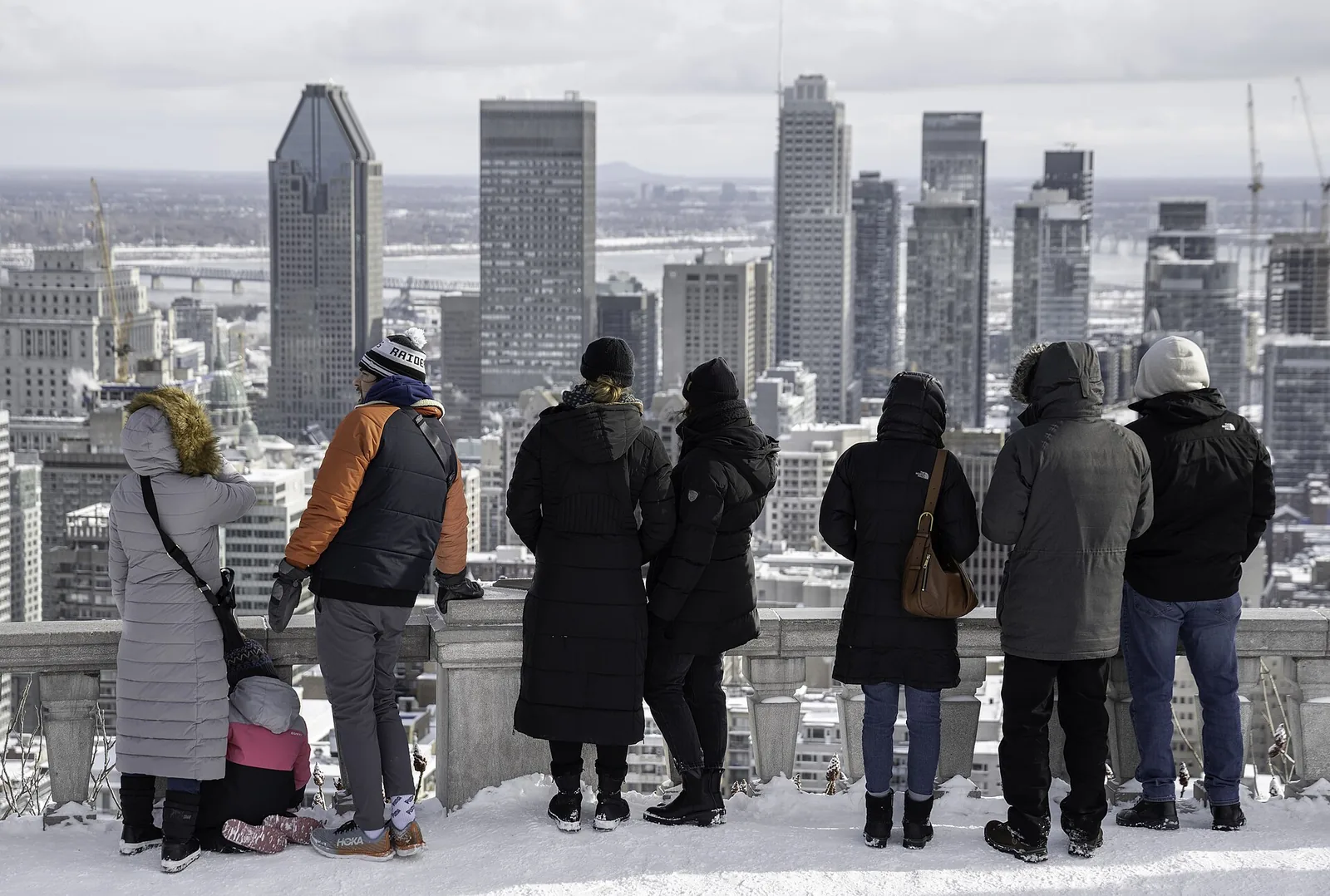
Montreal’s winter runs roughly from mid-November to mid-March, and each month asks for slightly different clothes. These are Environment Canada’s 1991–2020 averages for Montréal–Trudeau airport.
| Month | Average high | Average low | Snowfall | What it means for your suitcase |
|---|---|---|---|---|
| November | 6.1 °C | −1.7 °C | 16.3 cm | Autumn layers and waterproof shoes; a winter coat by the end of the month |
| December | −1.2 °C | −8.7 °C | 48.2 cm | Full winter kit, with boots that shrug off slush |
| January | −5.0 °C | −13.5 °C | 52.0 cm | Everything you own, plus a face covering for windy days |
| February | About −3.6 °C | −12.4 °C | 47.1 cm | Full kit; sunnier, so bring sunglasses |
| March | About 2.5 °C | −6.5 °C | 37.1 cm | Waterproof boots for slush; a lighter coat late in the month |
Averages hide the extremes. January’s record low at the airport is −37.8 °C, and the wind chill there has reached −49. You’re unlikely to meet anything that brutal, but a cold snap in the minus twenties with a biting wind happens most winters. Always check the “feels like” temperature in the forecast, not just the air temperature.
Wind chill and frostbite
Wind chill is how cold it feels on exposed skin once the wind is factored in. According to the Government of Canada, the risk of frostbite rises rapidly once the wind chill drops below −27, and at very cold wind chills exposed skin can freeze within minutes. Strong winds, over about 50 km/h, speed that up further. The practical rule: on any day with a wind chill in the minus twenties, cover your cheeks, nose and ears, and don’t stand still outside for long.
Frostnip, the first stage, shows up as numb, whitish patches on cheeks, ears or fingertips. Get indoors, warm the skin gently (not with direct heat), and don’t rub it. Montreal’s heated metro stations and malls are never far away downtown, which is one reason winter here is far more manageable than the numbers suggest.
Snow, slush and glare
Montreal gets around 217 cm of snow a year. The fresh stuff is easy; the problems are the slush at intersections, where meltwater pools in ankle-deep puddles, and the ice that forms when that slush freezes overnight. That’s why waterproof boots with real grip matter more than a thicker coat. February and March are also surprisingly bright, with around 128 and 164 hours of sunshine respectively, and snow glare is strong enough that sunglasses earn their place.
The Layering System
Layering isn’t about wearing lots of clothes. It’s about wearing the right three layers so you can adjust quickly as you move between the street and the heated indoors.
Base layer: next to your skin
A thin, snug thermal top and leggings in merino wool or a synthetic fabric. These move sweat away from your skin, which keeps you warm; cotton holds it and chills you as soon as you stop moving. Merino is the comfortable choice for a city trip because it doesn’t smell after a day of museums and metro rides. Two sets are plenty for a week.
Mid layer: the warmth
A fleece, a wool sweater or a light down or synthetic vest. This is the layer you’ll take off most often, so it should be easy to remove and stuff in a bag. On milder days in November, December or March, it may be all you need under a shell.
Outer layer: the parka
A windproof, insulated coat that reaches at least your hips, ideally mid-thigh, with a hood that fits over your tuque. Down is the warmest for its weight; synthetic insulation copes better with wet snow. Look for a two-way zip, so you can open it from the bottom when you sit down or overheat on the metro, and pockets you can use in mitts. A fashion wool coat will do on a mild day in December, but in a January wind it’s hopeless.
Your legs
Jeans alone are a common mistake: denim is cold, wind goes straight through it, and wet denim is miserable. Wear thermal leggings under jeans or trousers, which is what most Montrealers do. Save proper snow pants for snowshoeing, sledding, skiing or a long evening at Igloofest; nobody wears them to dinner.
Boots: The Most Important Thing You’ll Pack
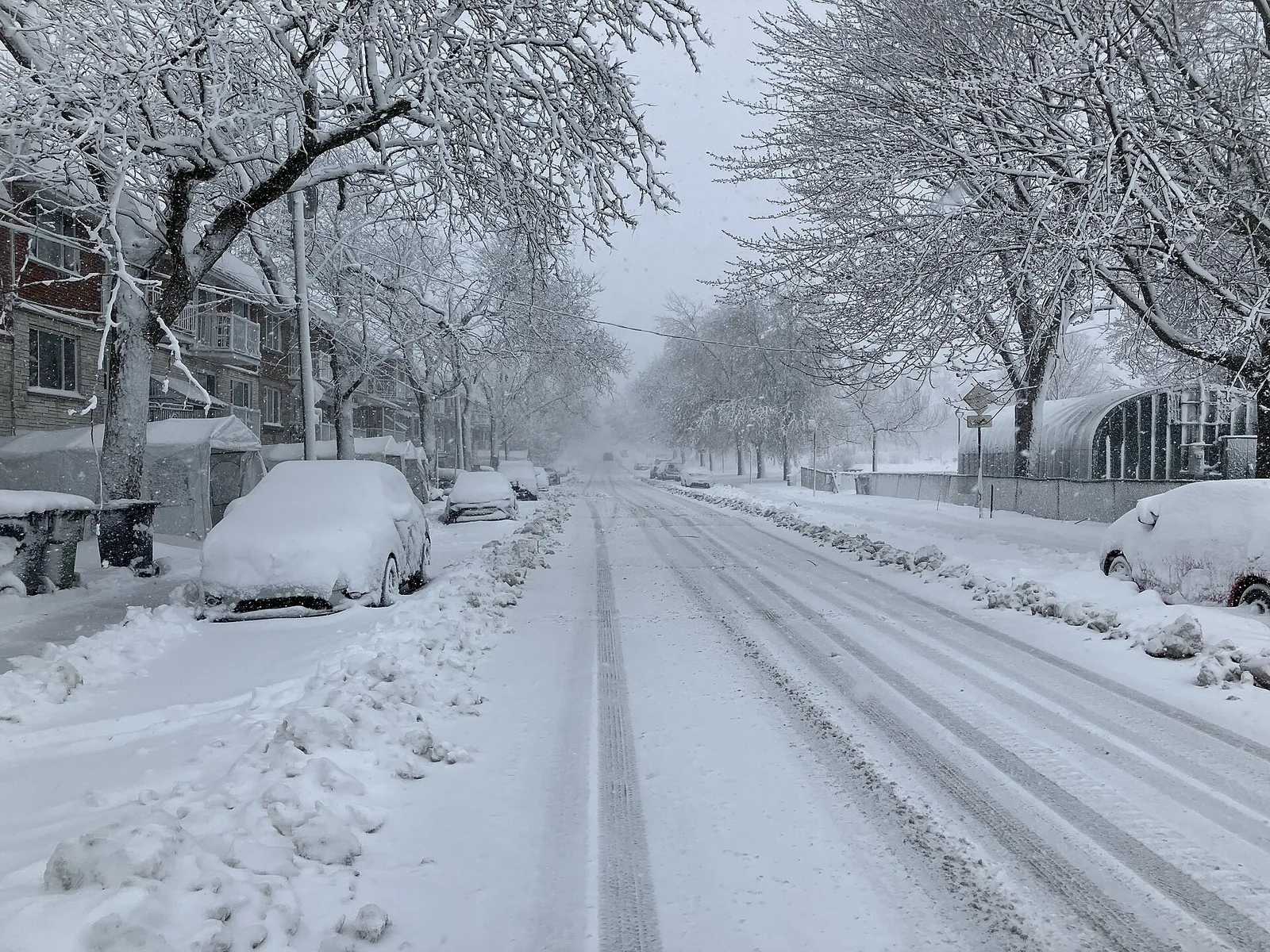
If you only invest in one thing, make it boots. Cold, wet feet will end your day faster than anything else, and Montreal’s pavements in winter are a mix of packed snow, slush, salt and ice.
- Waterproof, not water-resistant. Look for a sealed lower shell or a waterproof membrane. The slush puddles at crossings are deeper than you think.
- Insulated. Temperature ratings on boots are optimistic marketing, but they tell you roughly which boots are built for real cold.
- A deep, soft rubber sole. Hard, flat soles skate on ice. You want lugs and rubber that stays grippy in the cold.
- Room for thick socks. Buy a half-size up if you’ll wear heavy wool socks; tight boots cut circulation and your feet get colder.
- Easy to get on and off. Quebecers take boots off at the door of every home, and you’ll appreciate a zip or wide opening.
Pair them with wool or wool-blend socks, never cotton, and pack enough to change halfway through a long day. Canadian names such as Sorel, Kamik and Pajar are what you’ll see on local feet.
Salt stains and ice
The city spreads salt and gravel on streets and pavements, and it leaves white tide marks on leather and suede. Wipe boots with a cloth dampened in a mix of equal parts white vinegar and water, then let them dry away from direct heat. If you’re unsteady on your feet or plan long walks on unploughed paths, slip-on ice cleats are cheap insurance; take them off before you walk on smooth indoor floors, where they’re lethal.
Hats, Mitts and Everything In Between
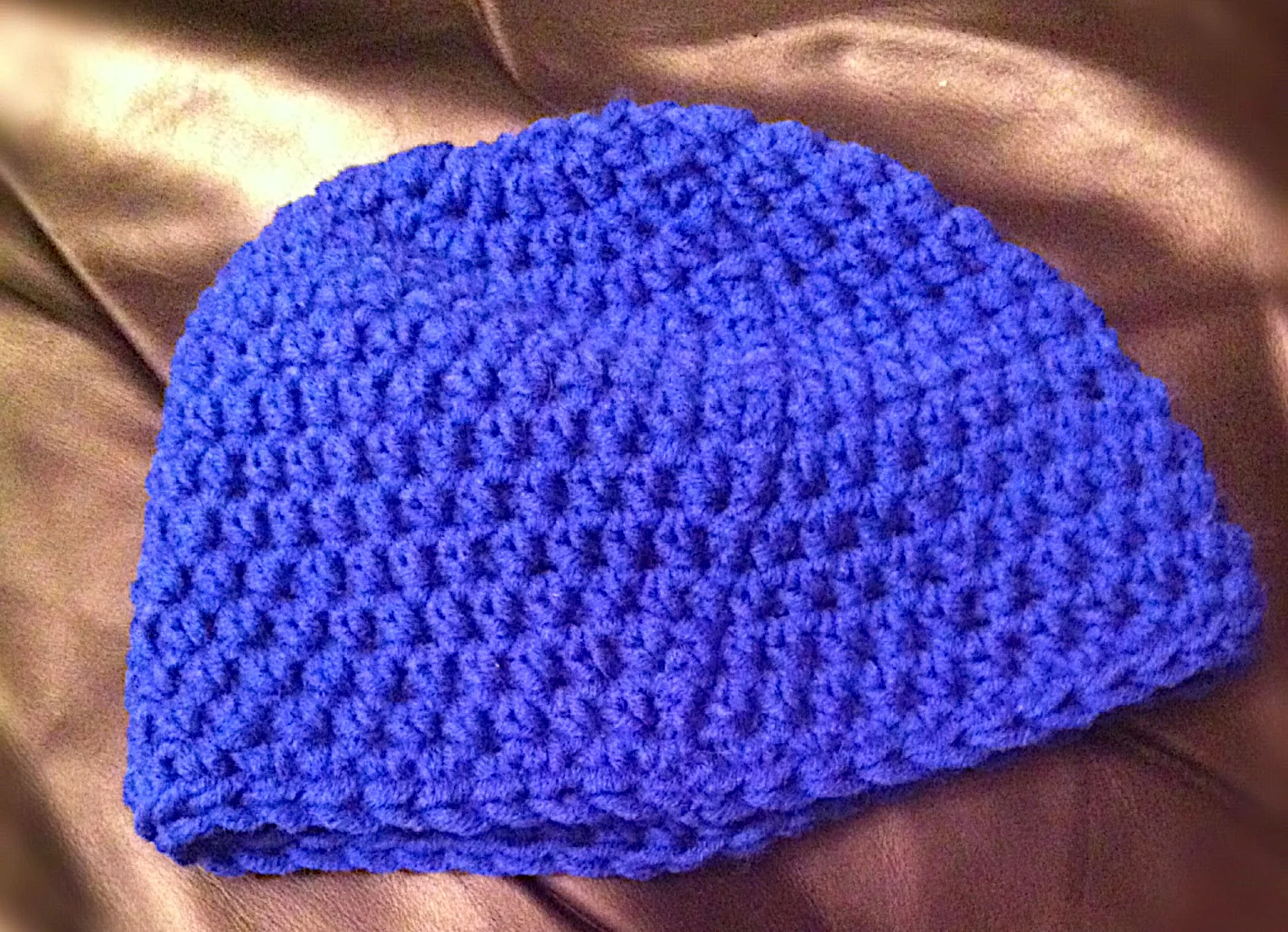
- The tuque. A knitted hat that covers your ears completely. Wool or fleece-lined is warmest. You will see every Montrealer wearing one; nobody cares about hat hair.
- A neck warmer. A fleece or wool tube is easier than a scarf and pulls up over your nose and cheeks on windy days. On the coldest days, a balaclava or a face mask under your tuque makes a huge difference.
- Mitts, with liners. Mitts keep your fingers together and are much warmer than gloves. Thin touchscreen liner gloves underneath let you use your phone or buy a metro ticket without exposing bare skin.
- Hand warmers. Disposable chemical warmers are sold in pharmacies and outdoor shops and are worth a few dollars for an evening at an outdoor festival.
- Sunglasses. Snow glare is intense on sunny February and March days.
- Lip balm and moisturiser. Heated buildings and cold air both dry your skin out fast.
Leave the umbrella at home. In snow it’s useless, and wind makes it a liability; a good hood does the job better. The exceptions are November and late March, when rain is as likely as snow.
What to Wear in Montreal in Winter, Month by Month
November: the wet warm-up
Early November is late autumn: around 6 °C by day, cold rain, occasional sleet and the first flurries. A waterproof jacket with a warm mid-layer, waterproof shoes and a light hat and gloves will usually do. By the last week, when it can drop well below zero, switch to your winter coat and boots.
December: slush and first snow
Highs just below zero and around 48 cm of snow over the month, often mixed with rain. December is the slush month, so waterproof boots come first. Full winter kit from mid-month, especially if you’ll spend evenings outdoors at the Christmas markets; our guide to Montreal in December has the month in detail.
January: the deep cold
The coldest month, averaging −5 °C by day and −13.5 °C at night, with the most snow and the strongest cold snaps. Wear everything: base layers top and bottom, a warm mid-layer, your parka, and a neck warmer you can pull up. This is Igloofest season, which asks for more still.
February: cold, bright and festive
Almost as cold as January but noticeably sunnier, with lows around −12 °C. Montréal en Lumière runs from 18 to 28 February 2027, with Nuit blanche on Saturday 27 February, and both mean standing outdoors at night for hours, so pack for that and add sunglasses for the daytime glare.
March: the thaw
Days climb above zero, nights stay below, and the city turns to slush and meltwater. Waterproof boots matter more than ever, but a lighter insulated jacket often replaces the big parka by late March. It’s also sugar shack season, when the maple farms outside the city serve their feasts, and their yards are muddy and snowy.
Dressing for What You’re Doing
A day of sightseeing
Base layers, a removable mid-layer, your parka, boots, tuque, mitts and neck warmer, plus a small backpack or tote to stuff layers into when you’re inside a museum for two hours. Most of the big museums have a coat check or lockers. If you’re moving between downtown sights, the heated corridors of the underground city let you cover ground without bundling up again every time.
Skating, snowshoeing and cross-country skiing
Active sports are warmer than you expect, so dress lighter than for sightseeing: a base layer, a thinner mid-layer, a windproof shell or light parka, snow pants, mitts and a tuque. Skaters should wear thinner socks, since skates fit snugly and thick socks cut circulation. Beaver Lake’s refrigerated rink on Mount Royal has rentals at the pavilion, where helmets cost $2.50, and there are 22 km of cross-country trails on the mountain. Our Mount Royal and parks guide has the details.
Igloofest and outdoor festival nights
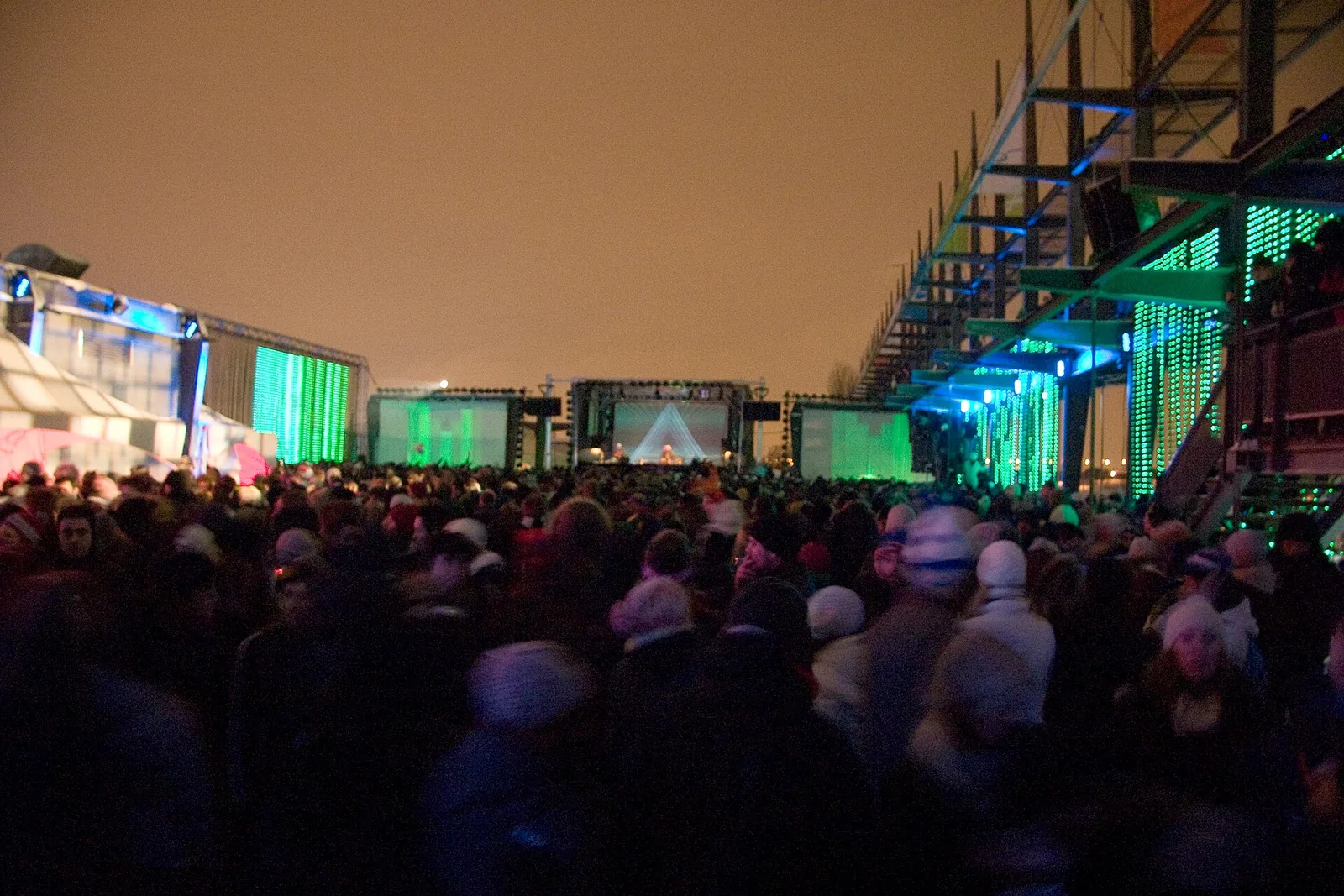
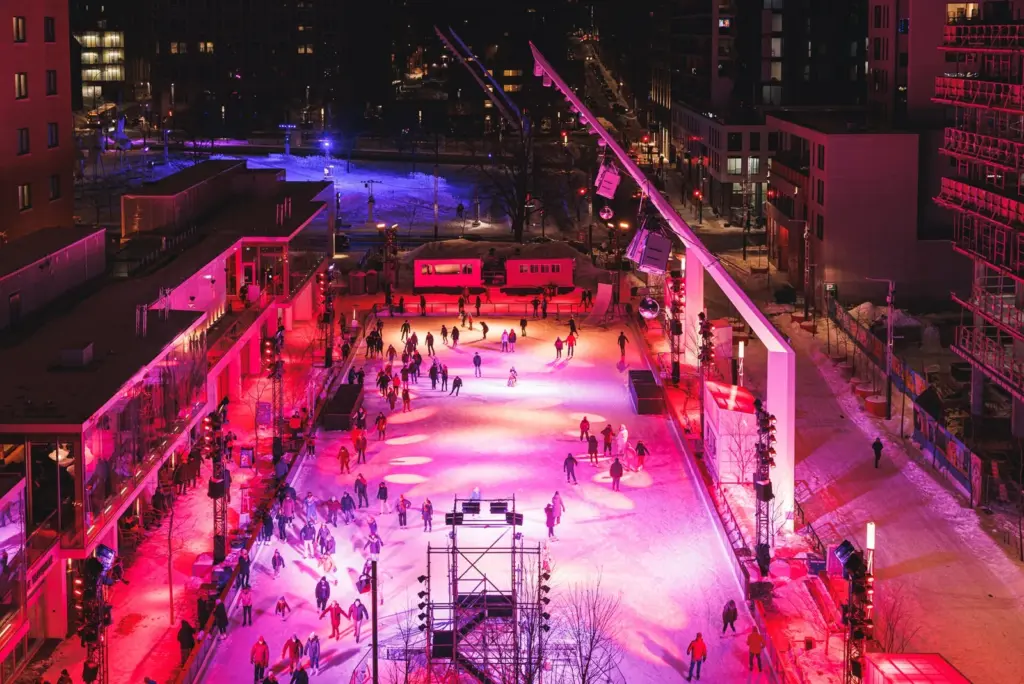
Igloofest, the outdoor electronic music festival in the Old Port, runs on January and early February nights, and it’s the coldest thing most visitors will do. You’ll be outside for hours after dark, and standing still between sets. This is where Montrealers break out their loudest vintage one-piece snowsuits, and the festival even runs a snowsuit contest. Wear your warmest boots with two pairs of socks, thermal layers top and bottom, snow pants or a snowsuit, a neck warmer and hand warmers in your mitts. The 2027 dates hadn’t been announced at the time of writing; our festival calendar has the rest of the winter’s events.
A hockey game
The Bell Centre is indoors and heated, so dress for the walk there and plan to sit in a warm arena for three hours. Keep your coat under your seat. The arena has a clear-bag policy and no re-entry, so don’t bring a big backpack of spare layers. It connects to the Lucien-L’Allier and Bonaventure metro stations, so you barely need to go outside. Our sports and entertainment guide covers tickets.
What to wear in Montreal in winter for a night out
Montrealers dress well, winter or not. The local move is to wear your boots and parka for the walk and change into nicer shoes at the venue, carrying them in a tote. Bars, clubs and theatres usually have a coat check, sometimes for a small fee, and restaurants will hang your coat or let you drape it over your chair. Leave room in your evening for the fact that bars here stay open until 03:00; our nightlife guide explains the scene.
A ski day or a sugar shack
For a day at the Laurentian ski resorts, an hour or so north (Tremblant is about 90 minutes), bring or rent full ski clothing and goggles; our guide to day trips from Montreal lists the options. For a sugar shack meal in March, dress casually and warmly, with boots you don’t mind getting muddy in the farmyard.
Indoors: The Other Half of the Problem
The mistake most visitors make isn’t underdressing for the street. It’s overdressing for the inside. Montreal’s metro, shopping centres, museums and restaurants are all heated, and the underground network downtown is warm enough that a fully zipped parka becomes a sweat box within minutes. You then walk back outside damp, and the cold hits harder.
The fix is to open up as soon as you step indoors: unzip the parka, take off your tuque and mitts, pull down your neck warmer. On longer stops, take the mid-layer off too. A small backpack or tote bag makes this painless. Coat checks, lockers and chair-back hanging are standard. And in anyone’s home, take your boots off at the door; it’s the one winter rule that’s close to universal in Quebec.
What Locals Actually Wear
Walk down Sainte-Catherine in January and you’ll see a uniform: a long black or navy down parka, often with a fur or faux-fur hood trim, a tuque, a neck warmer, dark trousers with thermals underneath, and chunky winter boots. Montreal is a winter-coat town, home to outerwear labels such as Rudsak and Mackage and long-established parka makers such as Kanuk, and a good coat is treated as an investment.
Snow pants are for kids, skiers and dog walkers in parks. Office workers often keep a pair of indoor shoes at their desk and commute in boots. Nobody judges practical clothing, and you’ll stand out far more in trainers and a thin jacket than in a sensible parka.
Where to Buy Winter Gear in Montreal
Forgotten or underestimated something? Montreal is the best place in the world to fix it, because every shop here sells for the local climate.
- Downtown malls. The shopping centres linked to McGill and Peel stations sell boots, parkas, base layers, tuques and mitts, and you can shop without going outside.
- Simons. The Quebec department store on Sainte-Catherine has good-value winter basics and its own labels.
- Winners. The discount chain is the budget option for brand-name coats and boots at reduced prices, if you don’t mind rummaging.
- Outdoor specialists. La Cordée, a Montreal institution for outdoor gear, and chains such as Sail, Sports Experts and Decathlon stock technical layers, ice cleats, hand warmers and snowshoes.
- Pharmacies. Jean Coutu, Pharmaprix and the like sell hand warmers, lip balm and moisturiser.
Prices are in Canadian dollars, and sales tax is added at the till. January sales and Boxing Day (26 December) are the times to buy coats and boots at a discount. Our shopping guide maps out the streets and malls.
Dressing Children for a Montreal Winter
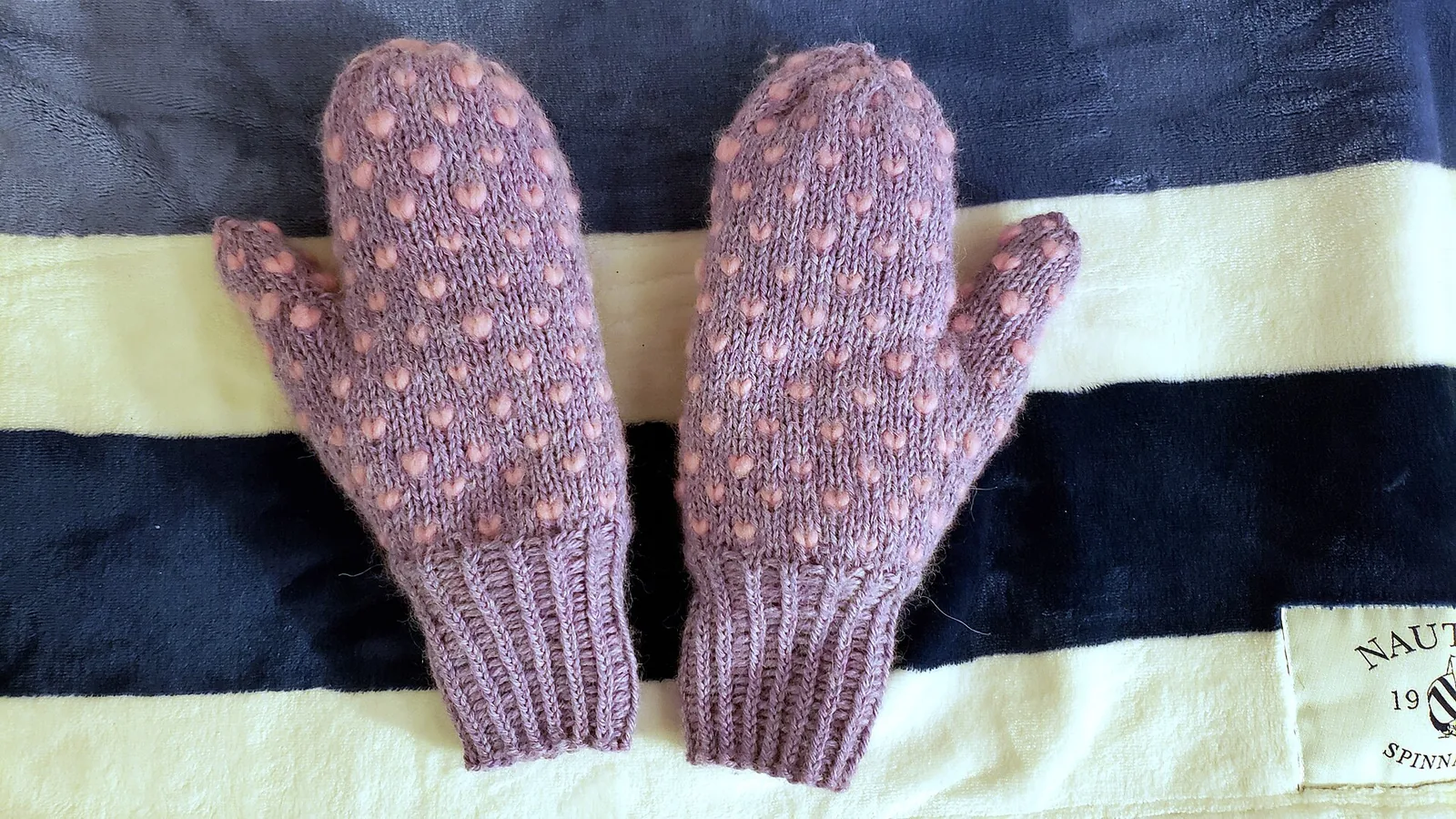
Children get colder faster than adults, mostly because they stand still in the snow for longer and won’t tell you until they’re miserable. Local kids wear one-piece snowsuits or snow pants with a jacket, insulated boots, tuques, neck warmers and mitts, often clipped to their sleeves so they don’t vanish. Pack a spare pair of mitts and socks for each child, since wet ones are the end of any outing.
Check their hands, feet and cheeks every half-hour on very cold days. For the metro and museums, the same rule applies as for adults: unzip everything as soon as you’re inside. For more family planning, from indoor rescue options to the best sledding hills, see our guide to Montreal with kids.
The Packing List
For a five-day trip between December and February, this fits in a carry-on-sized bag plus what you wear on the plane. Wear your boots and parka when you travel to save space; you’ll need them the moment you step outside the airport, whether you’re queuing for a taxi or waiting for the 747 airport bus.
| Item | How many | Notes |
|---|---|---|
| Insulated waterproof parka | 1 | Hip or thigh length, with a hood |
| Insulated waterproof boots | 1 pair | Plus light shoes for evenings if you’ll go out |
| Wool socks | 4–5 pairs | Never cotton |
| Thermal tops | 2 | Merino or synthetic |
| Thermal leggings | 1–2 | Worn under trousers or jeans |
| Mid layers | 2 | A fleece and a wool sweater, or a light down vest |
| Trousers | 2 | Jeans are fine with thermals underneath |
| Tuque | 1 | Must cover your ears |
| Neck warmer or scarf | 1 | Add a balaclava in January |
| Mitts and liner gloves | 1 of each | Touchscreen liners help |
| Snow pants | Optional | For Igloofest, snowshoeing or sledding |
| Ice cleats, hand warmers | Optional | Cheap and easy to buy locally |
| Sunglasses, lip balm, moisturiser | 1 each | Glare and dry air |
| Small backpack or tote | 1 | For shedding layers indoors |
| Phone power bank | 1 | Batteries drain fast in the cold |
Common Mistakes
- Fashion boots or trainers. Wet, cold feet in an hour and ruined shoes by the evening.
- A short or thin coat. Wind finds every gap; a coat that stops at the waist leaves your seat and thighs exposed.
- Cotton anything next to the skin. It holds sweat and chills you as soon as you stop.
- No hat. Your ears are the first thing to hurt, and the first to get frostnip.
- Staying zipped up indoors. You sweat in the metro and freeze when you get back outside.
- Trusting the air temperature. Dress for the “feels like” figure.
- Bringing a heavy suitcase of backups. If something doesn’t work, buy it here; the shops are made for this.
For the rest of your planning, from money and tipping to language, see our Montreal travel tips. If you’re still choosing dates, our guide to the best time to visit Montreal weighs winter against the warmer months. And once you’re dressed for it, head back to our winter guide for the festivals, skating and snow days that make the season worth it.
A Nordic spa afternoon needs its own small kit: a swimsuit, sandals for the icy decks and a wool tuque for wet hair between the outdoor pools. Our guide to Nordic spas in and around Montreal explains the hot–cold–rest circuit and what each spa supplies.
Frequently Asked Questions
What should I wear in Montreal in January?
Everything: January is the coldest month, averaging −5 °C by day and −13.5 °C at night, with frequent wind chills in the minus twenties. Wear thermal base layers top and bottom, a fleece or wool mid-layer, a hip-length insulated parka, insulated waterproof boots with wool socks, a tuque over your ears, mitts and a neck warmer you can pull over your nose.
Do I need snow pants in Montreal?
Not for the city. Montrealers wear thermal leggings under ordinary trousers for everyday life downtown, and snow pants would be overkill in museums, shops and restaurants. Bring or buy them if you’ll be snowshoeing, sledding, skiing or spending a long night at Igloofest, when you’ll be outdoors and still for hours in the cold.
Are jeans OK for a Montreal winter?
With thermal leggings underneath, yes; that’s what many locals wear. On their own, jeans are a poor choice in real cold because wind passes straight through denim and it stays cold and heavy once it’s wet. On days with wind chills in the minus twenties, or for long outdoor activities, switch to insulated or lined trousers or add snow pants.
What kind of boots do I need for Montreal in winter?
Insulated, fully waterproof boots with a deep, soft rubber sole for grip on ice, and enough room for thick wool socks. Water-resistant fashion boots won’t survive the slush puddles at crossings. If you’re unsteady or plan long walks on unploughed paths, add slip-on ice cleats. Wipe off salt stains with a mix of equal parts vinegar and water.
Is a Canada Goose-style parka necessary?
No. You need a warm, windproof coat that covers your hips, with a hood, but it doesn’t need a famous label or a four-figure price. A good down or synthetic parka from any outdoor brand, worn over layers, will handle a Montreal winter. Many visitors buy one on arrival, when the local shops have the widest choice and the January sales.
How do I avoid overheating indoors?
Open your coat, take off your tuque and mitts, and pull down your neck warmer as soon as you step into the metro, a mall or a museum. Wear thin layers you can remove rather than one thick sweater, and carry a small bag to stash them in. Use coat checks on longer visits. Staying bundled up indoors makes you sweat, and that dampness chills you when you go back out.
What should I wear to Igloofest?
Your warmest everything. You’ll be outdoors at night for hours, often standing still, in January or early February. Wear insulated boots with two pairs of wool socks, thermal layers top and bottom, snow pants or a one-piece snowsuit, a warm parka, a neck warmer, a tuque, mitts and hand warmers. Locals treat it as a fashion event for colourful vintage snowsuits, so feel free to join in.